Why Smart Rings Are the Future of Personal Tech
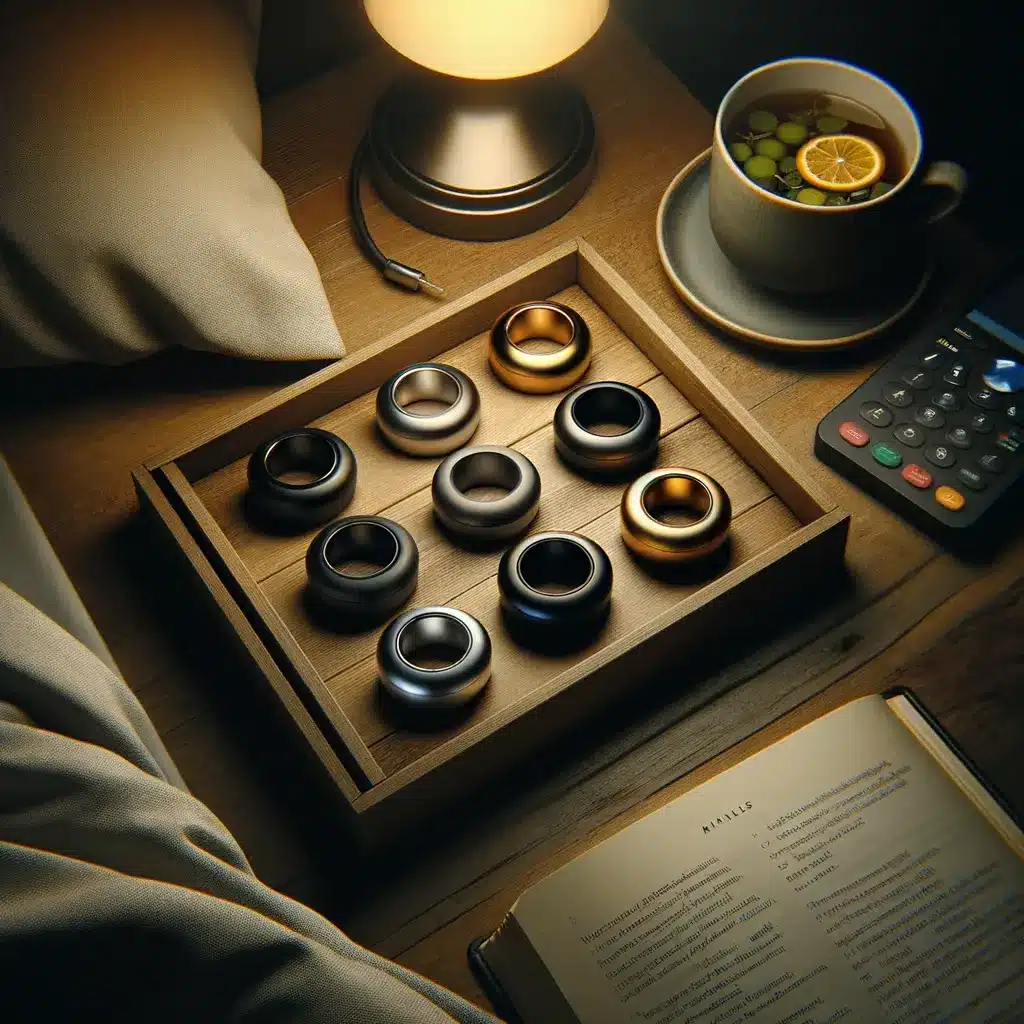
Smart rings are no longer science-fiction accessories. They are rapidly becoming the most intimate, always-on devices we own, and that makes them more powerful than the phone sitting in your pocket. Unlike bulky wearables, smart rings sit on the finger where blood-flow and temperature data are highly accurate. That strategic placement allows sensors to gather continuous biometrics—heart-rate variability, body temperature, SpO₂, even ECG—without the constant screen-glance distraction that phones create. The absence of a display isn’t a drawback; it’s the feature that lets you stay present while your ring quietly crunches numbers in the background. In one recent case study, a marathoner used a smart ring to spot elevated resting heart-rate days before feeling ill, adjusting training and avoiding injury. Because the data pipeline runs through Bluetooth Low Energy to a phone app, battery life often exceeds five days—a stark contrast to power-hungry watches. Privacy is stronger, too: most leading brands process sensitive metrics locally before syncing. For readers researching the best smart ring or broader wearable health tracker options, it’s clear these devices are built for proactive insight, not reactive scrolling. Explore our guides on sleep-tracking strategies and HRV explained to deepen your understanding of how these tiny bands of metal can transform daily wellbeing.

How Smart Rings Outshine Smartphones for Health Tracking
A smartphone can count steps and estimate calories, but it can’t stay in constant contact with your circulatory system the way smart rings do. With optical PPG sensors pressed directly against the finger’s artery-rich surface, rings log heart-rate variability in real time, then translate fluctuations into concrete recovery scores. The result is a wearable health tracker that anticipates fatigue before you feel it. Phones also struggle with sleep staging. They lie on a nightstand, guessing motion from across the room, whereas a ring monitors micro-movements, skin temperature and blood-oxygen trends from the source. That precision is why elite athletes flock to platforms like Oura and Ultrahuman: marginal gains arrive when you train only on green-zone days. From a usability standpoint, rings eliminate the friction of constant on-screen notifications. They use gentle haptics—double taps or subtle vibrations—to nudge you when heart-rate spikes during a meeting or when it’s time to wind down for bed. Because they’re jewelry first, you can wear them in boardrooms without the sporty look of a wristband. For those comparing Oura Ring alternatives, note that many newer models add wireless charging cradles and titanium shells rated for 10-ATM water resistance. Internal linking opportunity: read our deep dive into stress-tracking wearables to see how algorithms convert HRV into actionable breathing exercises.
Galaxy Ring, Oura Ring, Ultrahuman: Leaders of 2024
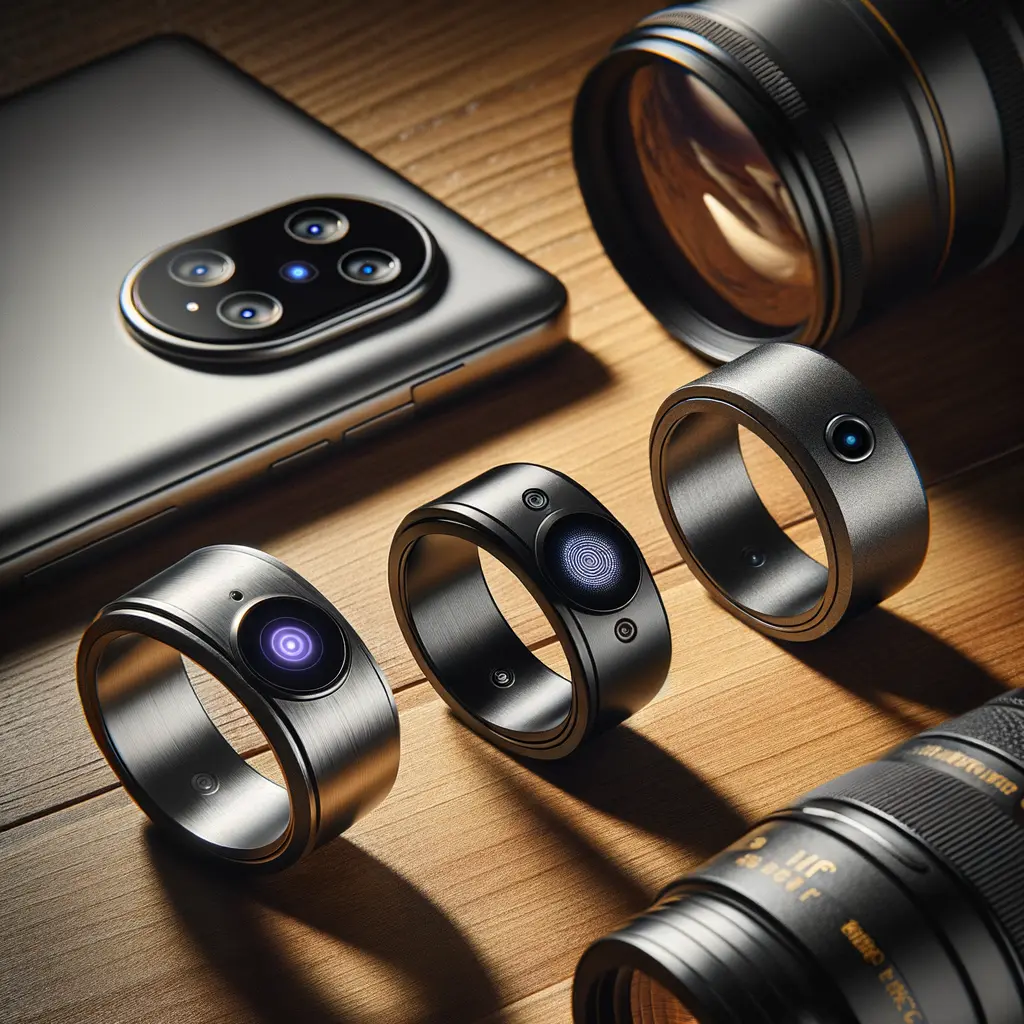
Three devices dominate today’s conversation: Samsung’s upcoming Galaxy Ring (yes, the Galaxy Ring release date is tipped for early Q4), the fourth-generation Oura, and the Ultrahuman Ring Pro. Samsung is leveraging the same BioActive sensor suite found in its flagship watches, promising ECG-level accuracy inside a 3-gram titanium band. Early leaks point to NFC payments and SmartThings integration, finally putting smart rings on equal footing with phones for contactless checkout. The Oura Ring remains the gold standard for holistic recovery scores. Gen 4 adds a daytime stress metric that cross-references body temperature and heart-rate changes to warn you when cumulative load is creeping up—perfect for knowledge workers stuck in back-to-back Zoom calls. Meanwhile, Ultrahuman Ring Pro is carving a niche with metabolic insights. Pairing the ring with its M1 continuous glucose monitor overlays HRV and glucose curves, revealing precisely how last night’s dessert sabotaged REM sleep. All three contenders share common traits: five-plus-day battery life, airplane-safe modes, and corrosion-resistant titanium shells. Choosing the best smart ring depends on whether you value Samsung’s ecosystem lock-in, Oura’s polished app, or Ultrahuman’s nutrition edge. Compare spec sheets in our dedicated product matrix to find the right fit before pre-orders open.
RingConn Gen 2 Air & Luna Ring 2.0: Effortless Wellness
While flagship brands battle on features, RingConn Gen 2 Air and Luna Ring 2.0 focus on frictionless adoption. Weighing just 2.4 grams, RingConn’s open-ended inner mold improves airflow, reducing the clammy feel some users report after workouts. The companion app previews recovery trends on a single card, simplifying insights for new adopters who may be overwhelmed by dashboards. Luna Ring 2.0 takes a different path: its AI uses seasonal averages to personalize sleep and activity goals. If winter lowers your baseline body temperature, the algorithm adapts, so you’re not chasing unrealistic targets. Both rings ship with Qi-compatible charging docks that refill 0-100% in 50 minutes—charge while you shower and you’ll rarely hit battery anxiety. Importantly, each platform offers exportable CSV files, making them attractive Oura Ring alternatives for data nerds who want to feed metrics into Apple Health or Google Fit. From an environmental standpoint, RingConn’s shell uses recycled titanium scrap melted in an electric arc furnace, lowering CO₂ emissions by 30%. Luna Labs claims its hypoallergenic coating passes the ISO 10993 test for extended skin contact, a key detail for anyone with nickel sensitivity. For more eco-conscious tech, see our guide to sustainable gadgets you can buy today.
Beyond Wellness: Medical-Grade Insight with Circular & Vita Rings
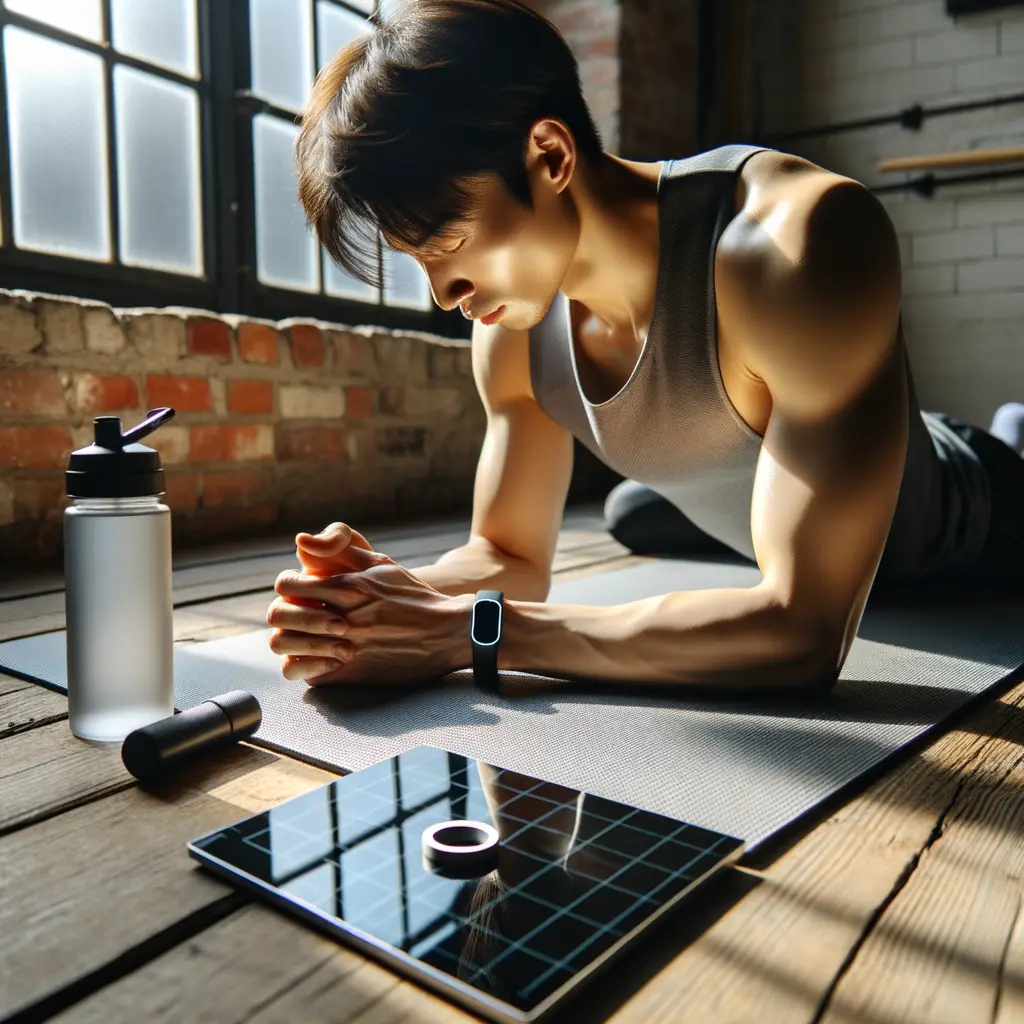
Circular Ring 2 raises the bar by integrating a miniaturized ECG sensor that meets CE-medical standards. Users can trigger a 30-second rhythm strip right from the ring, then share PDFs with physicians—far more convenient than lugging a phone everywhere during cardiac rehab. Its proactive sleep-apnea screening analyses nocturnal SpO₂ dips and vibration patterns, flagging events for follow-up. Vita Ring goes even further, turning passive metrics into actionable alerts. Its neural network compares your seven-day baseline against real-time vitals, vibrating urgently if HRV plummets or body temperature spikes—early indicators of infection or over-training. The companion dashboard includes telehealth integration, letting a clinician review flagged episodes in under five minutes. For older adults or anyone managing chronic conditions, that combination of detection and directed care is invaluable. Privacy is fortified through end-to-end AES-256 encryption and optional on-device storage for users in regulated industries. Both platforms illustrate how smart rings transition from lifestyle gadgets to legitimate medical devices, protecting you without adding bulk. If you’re researching wearable health tracker solutions for aging parents, also explore our post on fall-detection smartwatches, which complement the rings’ preventative focus.
Choosing Your Smart Ring: Key Takeaways & Next Steps
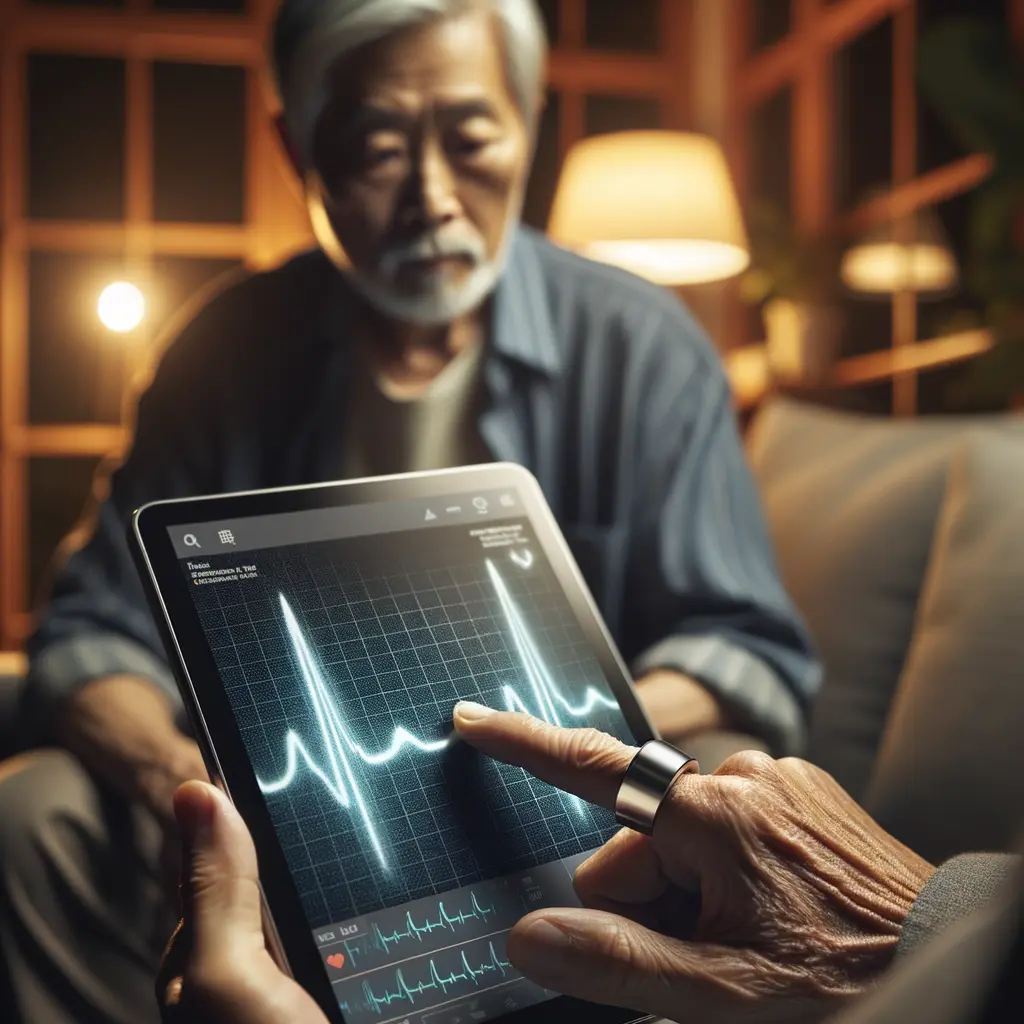
Selecting the right smart rings boils down to ecosystem, data depth, and daily comfort. If you already live inside Samsung’s universe, the upcoming Galaxy Ring release date could be your cue to upgrade and sync effortlessly with SmartThings. Biometrics enthusiasts wanting exhaustive recovery scores may lean toward Oura or Ultrahuman, while minimalists will appreciate the feather-light RingConn or the adaptive Luna Ring 2.0. Those requiring medical assurance should consider Circular or Vita for ECG and real-time alerts. Regardless of model, the primary advantages remain constant: 24/7 body insights without the distraction of a phone screen, jewelry-grade design that blends with any wardrobe, and battery life that supports true wear-and-forget usage. Smart rings appear tiny, yet they orchestrate big lifestyle changes—guiding bedtime, training intensity, and stress management with silent precision. As more firmware updates add contactless payments and gesture control, phones may soon feel like the auxiliary device. Ready to dive deeper? Check our comparison of the best smart ring subscription plans and our tutorial on exporting HRV data to Google Sheets for personalized trend analysis. Invest in one of these unobtrusive bands today and experience technology that finally moves at the speed of life—quiet, continuous, and always on your side.