Why the Samsung Galaxy Z Fold 8 Line Matters More Than Ever
The Samsung Galaxy Z Fold 8 arrives at a pivotal moment for foldables. After five generations of steady refinement, Samsung is finally breaking its own rulebook and letting its foldable flagships leapfrog the Ultra slab series. That alone makes the Samsung Galaxy Z Fold 8—and its brand-new sibling, the Galaxy Z Fold 8 Wide—impossible to ignore. In the past, bleeding-edge hardware or display tricks debuted on the S-series Ultra before trickling down. Now, those very advances headline the Fold 8 family first.
Why the change? Analysts expect the foldable phone market to jump from roughly 20 million units in 2023 to nearly 40 million in 2025. Traditional slabs are trending flat or even declining, which means Samsung must secure its leadership position before challengers like the rumored iPhone Ultra arrive. By shrinking the punch-hole camera by 32 percent and polishing the hinge, Samsung is sending a clear message: its foldables are no longer fringe tech—they are the new premium. Throughout this guide we’ll dissect every major Z Fold 8 camera upgrade, design tweak, and software improvement so you can decide if this Samsung foldable phone belongs in your pocket. (For a historical perspective, see our in-depth comparison of Galaxy Z Fold 7 vs Z Fold 8.)
Design & Display: A Smaller Punch-Hole and a Wider Canvas
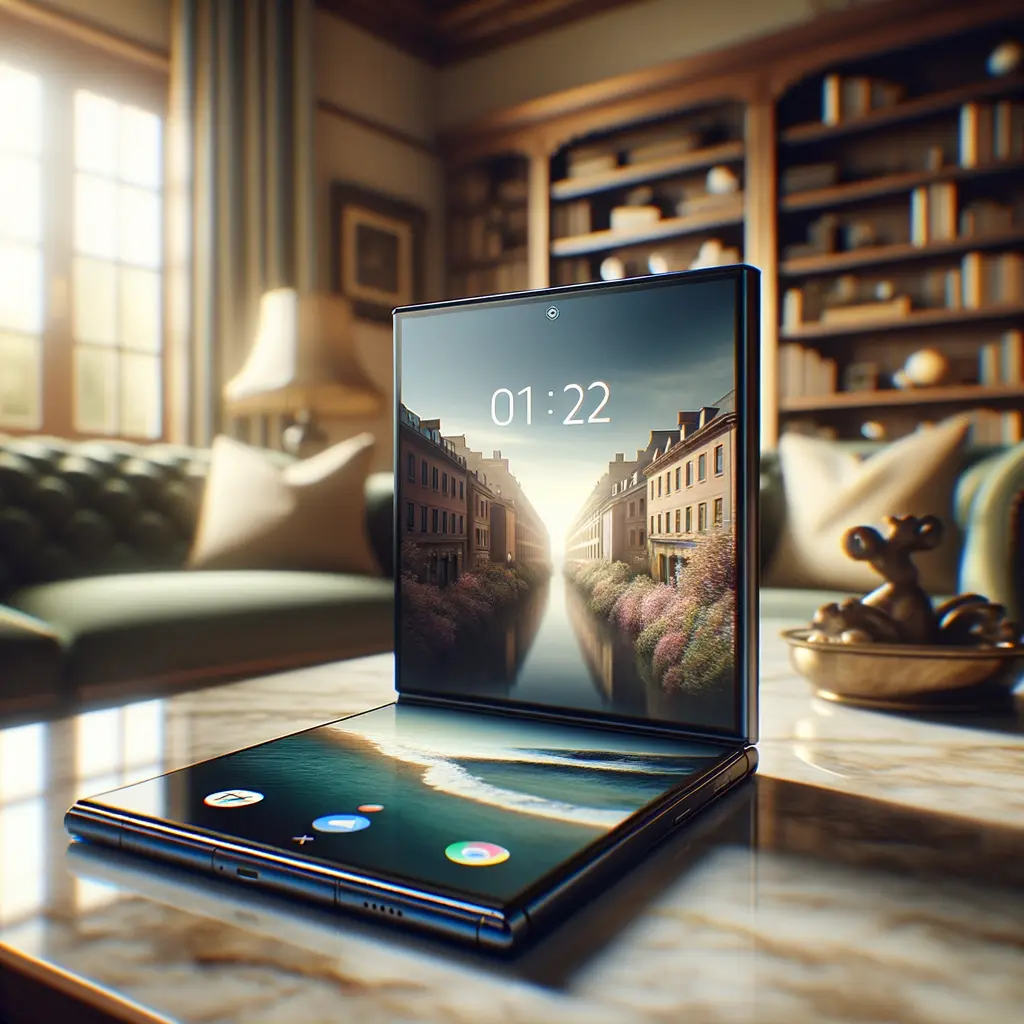
Samsung’s most talked-about design win is the dramatically smaller punch-hole on the external display. At 32 percent narrower than last year—and an impressive 38 percent smaller than the S26 Ultra—the selfie cut-out nearly disappears during everyday use. Crucially, Samsung achieved this without downgrading the 10 MP sensor. The result is a cleaner, more immersive screen that finally lets the Samsung Galaxy Z Fold 8 feel as futuristic as it looks.
The Galaxy Z Fold 8 Wide doubles down on visual immersion by adopting a passport-style aspect ratio. When opened, the panel resembles an 8-inch mini-tablet, eliminating the black-bar issue that plagues many foldables when streaming 16:9 video. Typing on the wider deck feels natural, and One UI 9 automatically scales apps so they launch full-screen right away. If you liked the Pixel Fold’s proportions—or you’re eyeing the iPhone Ultra—Samsung now offers a reason to stay in its ecosystem.
Both models use Samsung’s latest Ultra-Thin Glass (UTG) with a claimed 20 percent boost in durability and improved crease resistance. Combined with an IPX8 rating, these refinements push foldable engineering forward while retaining the slim, pocketable silhouette that slab-phone loyalists demand.
Cameras: 50 MP Ultra-Wide Leads the Z Fold 8 Camera Upgrade Charge
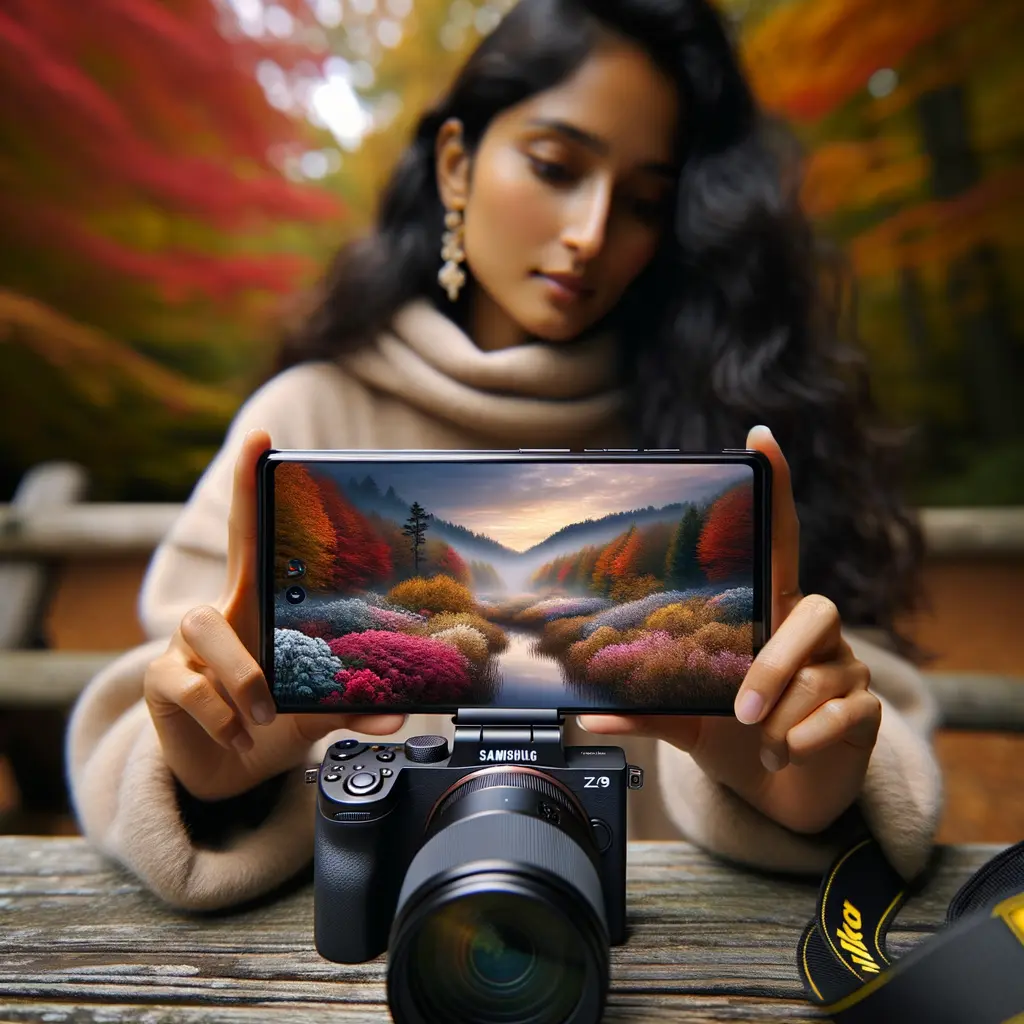
For the first time since the Z Fold 3, Samsung is overhauling its foldable camera hardware. Both the Samsung Galaxy Z Fold 8 and Galaxy Z Fold 8 Wide gain a 50 MP ultra-wide sensor with a larger 1/1.56-inch format, matching or even outclassing sensors expected on the future S27 Ultra. A bigger sensor means better light intake, crisper edge detail, and richer color science for sweeping landscapes or cramped indoor shots.
The main 50 MP wide and 12 MP 3× telephoto remain, but computational upgrades in the Snapdragon 8 Elite Gen 5 ISP unlock real-time HDR and multi-frame fusion for video up to 8K 30 fps. Samsung’s Expert RAW app now supports the new sensor, letting pro shooters capture 14-bit DNG files for maximum post-processing latitude.
Selfie performance also improves thanks to AI object segmentation. Even though the hardware stays at 10 MP, Samsung’s algorithmic edge detection produces cleaner portrait cuts with less haloing. Foldable vloggers will appreciate the ability to record in Flex Mode: set the device on a table half-folded, and the UI shifts controls to the lower half while the viewfinder sits up top.
Need a primer on Samsung’s camera software? Check out our ultimate guide to Expert RAW for foldables inside the Resources section.
Performance, Battery & Connectivity: Elite Gen 5 Power in Your Pocket
Under the hood, both foldables run the custom Snapdragon 8 Elite Gen 5 for Galaxy—an overclocked variant with a 3.6 GHz Prime core and a beefy Adreno 750 GPU. Early benchmarks leaked on Geekbench 7 show single-core scores brushing 2,300 and multi-core climbing beyond 7,000, bringing the Samsung Galaxy Z Fold 8 within striking distance of Apple’s A19 Pro. While the forthcoming iPhone Ultra and its A20 Pro should regain a small edge, real-world gains like quicker photo processing and snappier multitasking already feel tangible.
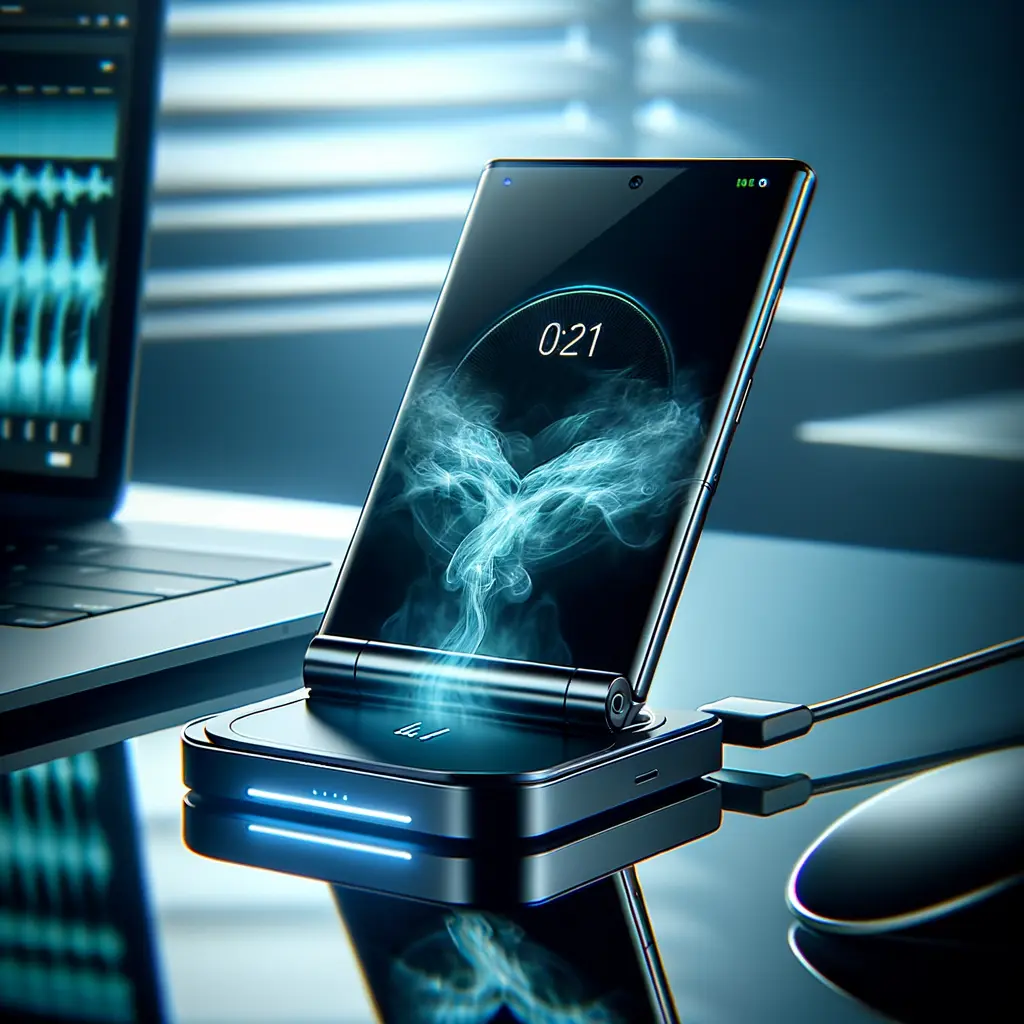
Battery capacity stays at 4,800 mAh for the Fold 8 and 5,000 mAh for the Fold 8 Wide, but Samsung shifts to more efficient stacked cells. Combined with the 4 nm chipset, users can expect roughly 1.5 hours longer mixed-use endurance than on the Fold 7. Wireless charging may jump to 25 W if Samsung brings over the upgraded Qi2 coil from the S26 Ultra, and leaked dummy units show MagSafe-style rings to support magnetic accessories. You will still need a compatible case, but expect snap-on power banks and desk stands at launch.
Gamers will enjoy the vapor-chamber cooling plate that doubles in surface area, allowing sustained Genshin Impact sessions without thermal throttling. For in-depth thermal tests, bookmark our upcoming performance deep dive.
One UI 9 & Ecosystem: Making Foldables Feel Like Home
Hardware only shines when software keeps pace, and One UI 9 is Samsung’s most foldable-aware skin yet. The taskbar now supports up to eight pinned apps plus two recent ones, enabling quick drag-and-drop multitasking on the expansive Galaxy Z Fold 8 Wide canvas. App Continuity is smarter, too: start composing an email on the outer screen, unfold the device, and the compose window automatically expands into a three-pane desktop view.
Samsung Notes, GoodNotes, and Clip Studio Paint support the optional S Pen Fold Edition. While the digitizer still isn’t built-in, rumors point to a slimmer stylus slotting into new magnetic cases—ideal for artists who treat the Samsung foldable phone as a sketchpad. DeX mode gains a new window manager that remembers preferred monitor layouts, letting you hot-swap between desk and couch without constant rearrangement.
Ecosystem perks extend beyond software. Samsung’s SmartThings Find integrates Ultra-Wideband chips inside every Z Fold 8, making it easier to locate misplaced buds or wallets. Galaxy Buds 3 can even switch audio channels mid-call when you unfold the phone—perfect for impromptu video conferences.
Curious how One UI 9 stacks up against Android 15 on Pixel Fold? Explore our side-by-side comparison for a closer look at multitasking tricks and security features.

Foldable Phone Market Outlook & Final Thoughts
Market analysts at Counterpoint Research expect foldables to claim 6 percent of global premium-phone shipments by the end of 2025, up from just 2 percent today. The entry of Apple’s iPhone Ultra will undoubtedly accelerate mainstream adoption, but it also puts pressure on Samsung to defend its turf. By front-loading innovation into the Samsung Galaxy Z Fold 8 series—especially the 50 MP Z Fold 8 camera upgrade and the nearly invisible punch-hole—Samsung signals that its foldables are the new Ultra experience.
If you crave ultimate versatility, the standard Samsung Galaxy Z Fold 8—with its narrower aspect ratio and triple-camera flexibility—remains a powerhouse. Prefer a true tablet-in-your-pocket? The Galaxy Z Fold 8 Wide offers a wider display that fixes app scaling quirks while delivering identical horsepower. Either way, Samsung foldable phone owners can look forward to longer battery life, faster charging, and richer accessory support than ever before.
In short, foldables aren’t a niche experiment anymore; they are poised to replace top-tier slabs for early adopters and mainstream users alike. Stay tuned for our hands-on impressions once review units arrive, and don’t miss our battery optimization guide for the Samsung Galaxy Z Fold 8 family. The future of smartphones is bending—literally—and Samsung intends to keep that curve in its favor.