The BMW i3 Electric Ushers the 3 Series Into a New Era
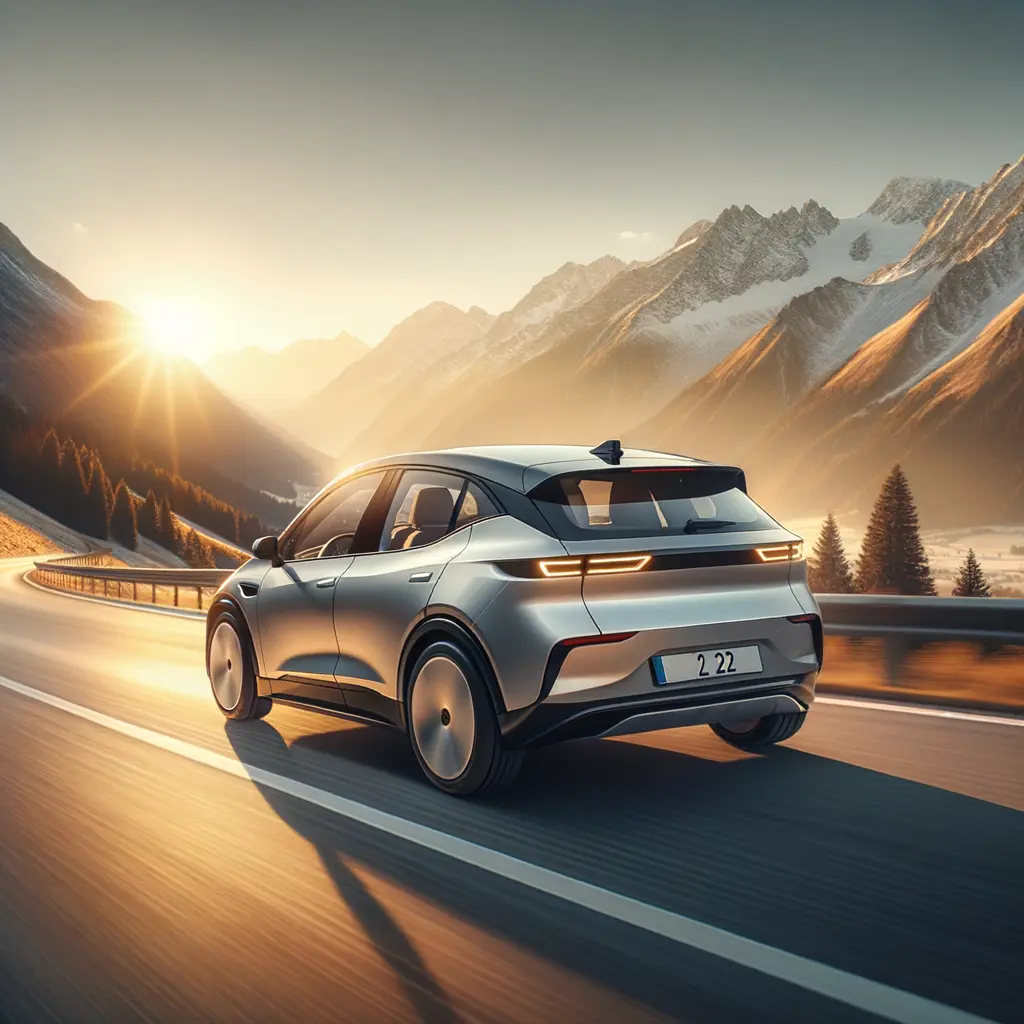
Few badges in motoring carry as much weight as the 3 Series, and the new BMW i3 electric proves that the icon is ready for its next half-century. Revealed under the ambitious Neue Klasse BMW program, the i3 swaps petrol and diesel for a state-of-the-art dual-motor setup yet promises to keep that trademark 3 Series balance. BMW claims the i3 range—560 miles in ideal conditions—sets a new production-car benchmark, instantly making the BMW 3 Series EV a headline act. Beyond numbers, the car represents a philosophical leap. By running the i3 electric alongside combustion and hybrid 3 Series models, Munich is signalling a pragmatic transition strategy rather than an overnight switch. For buyers, that means familiar proportions, rear-drive DNA and fresh tech such as motorway assist and bi-directional power supply. Over the following sections we’ll dissect the exterior, the cabin tech, performance, charging and what the platform means for the inevitable electric M3. If you’re cross-shopping, don’t miss our deep dive into the BMW iX’s charging etiquette or our comparison of premium long-range EV sedans. For now, buckle up as we explore how the BMW i3 electric keeps ‘Ultimate Driving Machine’ spirit alive in a battery-powered world.
Shark-Nose Revival: Exterior Design of the BMW 3 Series EV
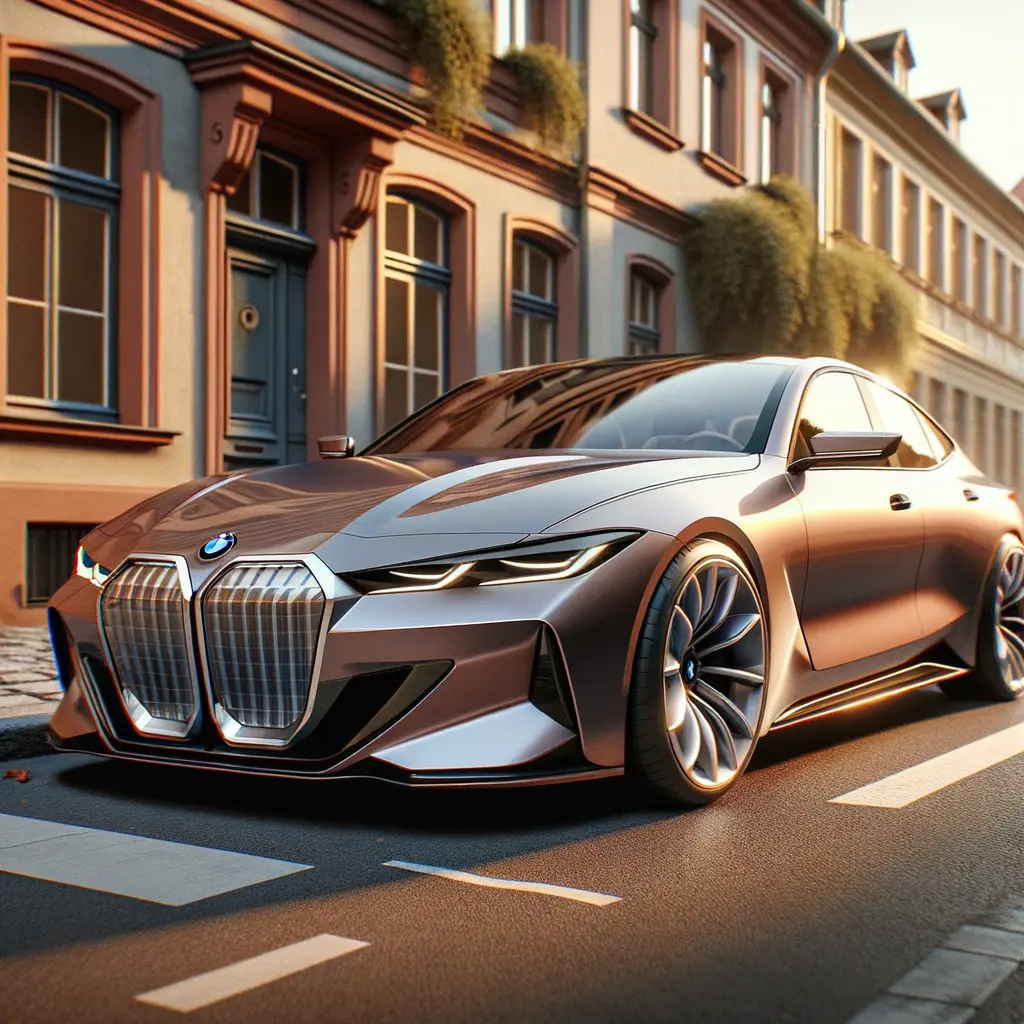
The first glance at the BMW 3 Series EV is dominated by a modern take on the classic shark-nose. Two black lateral bands disguise headlights, lidar and radar while framing an animated digital kidney grille that lights up as you approach—part theatre, part aerodynamics. Eliminating chrome, designers rely on thin LED signatures and carefully sculpted surfaces to catch the light. The new wheel portfolio is both aesthetic and functional; aero vanes reduce turbulence while allowing brake cooling, a lesson learned from the bigger Neue Klasse BMW SUV. Around back, you’ll find slim horizontal lamps and a subtle recess designed to place the roundel centre stage, a neat echo of E30 lineage. Crucially, proportions remain unmistakably 3 Series: long bonnet, short overhangs, and a planted rear-drive stance achieved despite the battery pack. Active air shutters, flush door handles and an almost completely flat floor cut drag, helping to unlock the i3 range—560 miles without resorting to oversized batteries. Paint options include a satin Frozen Portimao Blue shown in press shots and a richer Malachite Green metallic that recalls classic BMW hues. If exterior design influences your purchase, you might also explore our gallery of the concept-to-production transition on the Vision Neue Klasse sedan to see how faithfully the show car cues survived.
Panoramic iDrive and Lounge-Like Cabin Tech
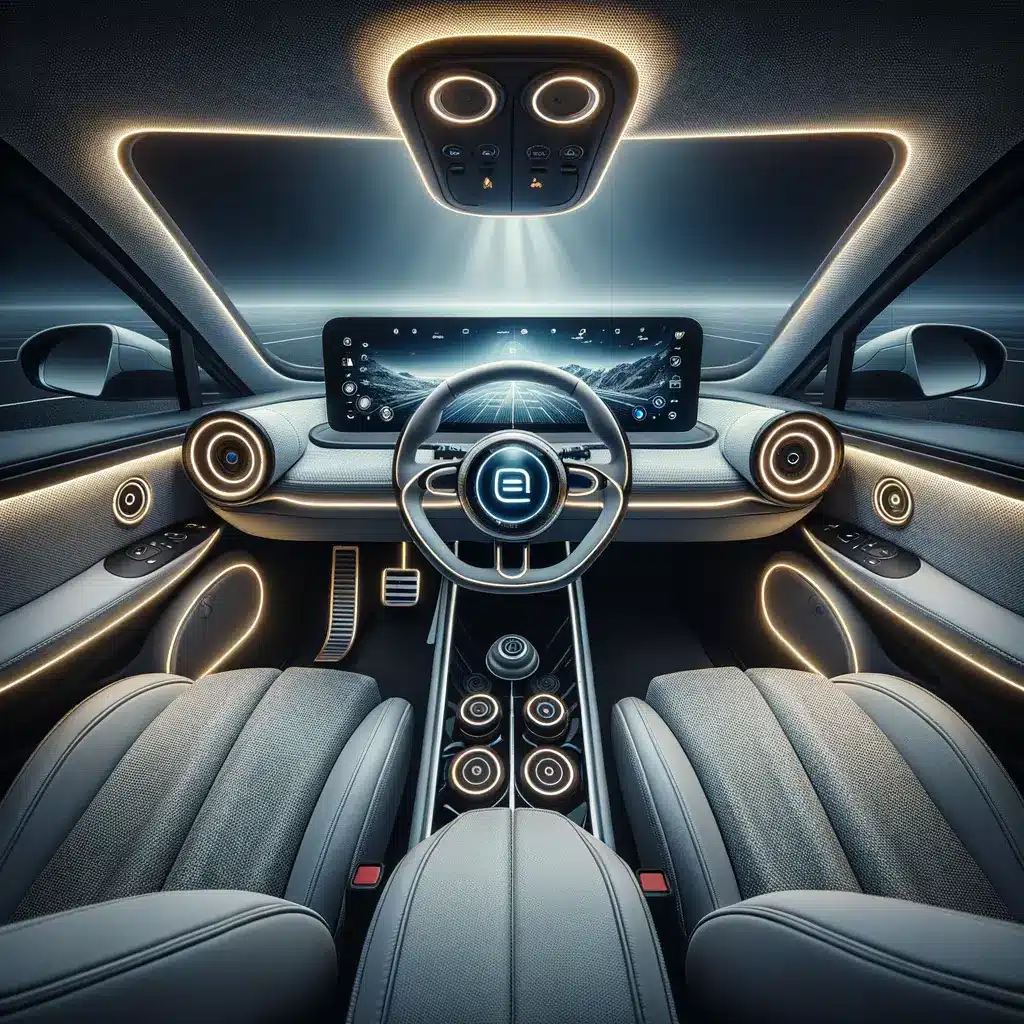
Step inside and the first thing that shouts future is the panoramic iDrive screen stretching pillar to pillar. Running BMW Operating System 9, it pairs a 14.9-inch driver display with a 15.6-inch infotainment pane under a single glass surface. Widgets are fully customisable: toggle between torque distribution graphics, live weather or even in-car gaming while charging at 400 kW. The BMW i3 electric steering wheel looks unconventional—almost squircle—but thumb placements are perfect and the haptic buttons require deliberate pressure, reducing accidental inputs. Ambient lighting replaces traditional chrome, bathing the cabin in selectable hues that shift with drive modes. Sustainable materials abound: recycled PET door panels, Veganza vegan leather seats or optional Merino hide for traditionalists. Rear passengers sit slightly higher because of the battery floor, yet legroom mirrors the outgoing G20 and headroom improves thanks to a scalloped headliner. USB-C ports, tri-zone climate and clip-in accessory tabs borrowed from the BMW iX turn the rear into a mobile workspace. Tech lovers should try Remote Park via the My BMW app—perfect for tight urban slots. For more infotainment tips, revisit our tutorial on configuring the latest iDrive widgets. Next, we’ll embed the full video walk-around so you can visualise these features in motion.
Powertrain, Battery and BMW i3 Charging 400 kW Explained
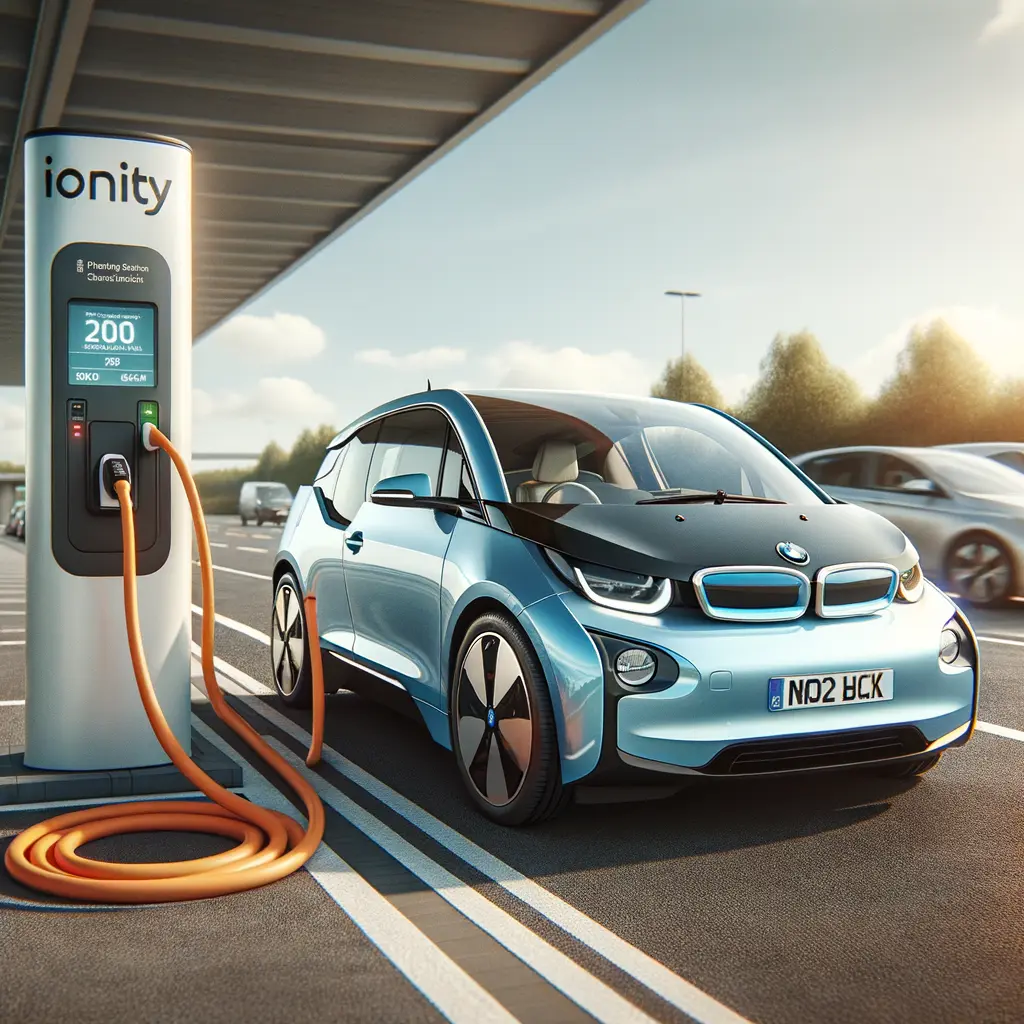
Under the aluminium skateboard chassis sits a projected 108 kWh battery operating on an 800-volt backbone. That architecture unlocks BMW i3 charging 400 kW capability, translating to 10–80 % in roughly 18 minutes on a compatible DC fast-charger. Dual motors—230 kW front, 115 kW rear—combine for 463 bhp and instant, rear-biased torque thanks to intelligent slip control updated every millisecond. The pack supports bi-directional energy flow; with a proper wallbox you can run household appliances, buffer solar panels or provide grid services, a first for a mainstream BMW 3 Series EV. Engineers attribute the standout i3 range 560 miles to cell-to-pack construction, silicon-carbide inverters and drag figures dipping below 0.23. Optional heat-pump conditioning minimises winter losses, while predictive thermal management readies the battery for peak charge rates as you near a station, leveraging cloud-based route planning. All hardware meets future ISO 15118-20 Plug & Charge standards, so authentication happens automatically—no more RFID cards. If you need a refresher on high-power DC etiquette, our guide to preserving battery health during repeated 350 kW sessions is a must-read. Traditionalists will appreciate that BMW will sell petrol, diesel and plug-in hybrids on the same showroom floor, easing range-anxiety concerns during the transition.
Driving Dynamics and the Road to an Electric M3
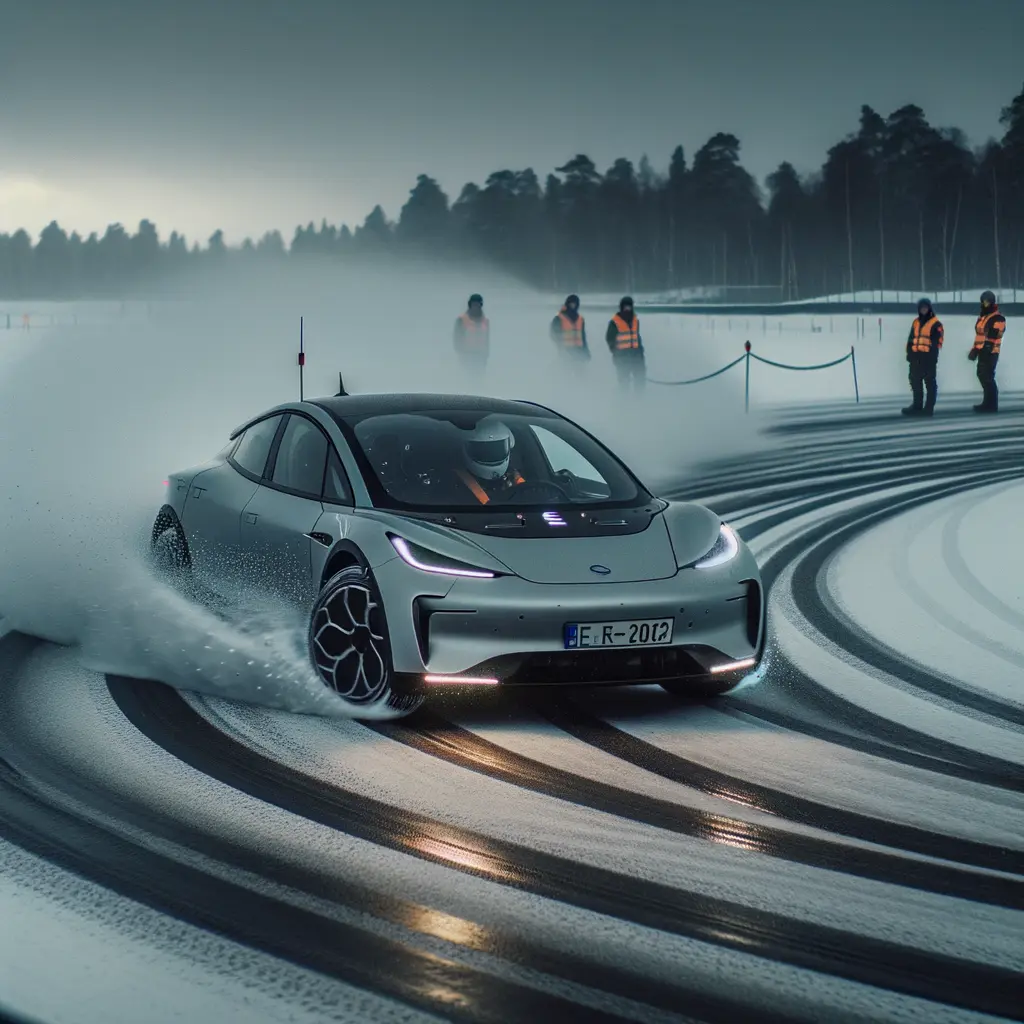
A 3 Series lives or dies by its handling, and early prototypes suggest the BMW i3 electric honours that legacy. Engineers started by lowering the centre of gravity 50 mm versus the G20 while keeping near-perfect 48:52 weight distribution. Stiffened subframes, frequency-selective dampers and bespoke 20-inch Pirelli P Zero Elect tyres give the sedan sharp turn-in and minimal body roll despite a 2-tonne kerb mass. On winter tests in Scandinavia, journalists praised steering that is light yet communicative—welcome news for purists worried about electric isolation. The eDrive system can shuffle up to 100 % power rearward for classic throttle-steer antics, foreshadowing the 2027 electric M3 currently in development with quadruple motors and a target output topping 750 bhp. BMW M insiders promise selectable rear-drive drift mode plus torque-vectoring that eclipses today’s M xDrive. Crucially, combustion isn’t dead: Euro 7-compliant straight-six engines will coexist, offering buyers parallel performance paths. Adaptive recuperation algorithms also act as a dynamic aid; approach a bend and regen lessens for smoother weight transfer, then ramps up on corner exit to stabilise. If chassis tuning fascinates you, check out our interview with the team behind the i4 eDrive40’s suspension calibration for further reading.
What the BMW i3 Electric Means for Buyers and the Industry
With the BMW i3 electric, Munich demonstrates that evolution and revolution can coexist. Buyers gain genuine 3 Series practicality, a 560-mile real-world target and the convenience of BMW i3 charging 400 kW speeds, all wrapped in familiar sports-sedan proportions. Fleet managers eye lower total cost of ownership thanks to bidirectional energy revenue streams, while enthusiasts can relax knowing the Neue Klasse BMW architecture keeps steering feel and chassis poise intact. Rivals such as the Lucid Air Touring and upcoming Mercedes CLA EV may boast similar ranges, but none carry the decades-long handling pedigree the 3 Series nameplate commands. Add in over-the-air feature upgrades—perhaps subscription-based adaptive suspension for those who missed the option box—and residual values should remain strong. Looking forward, expect Touring estate and long-wheelbase variants, plus that halo electric M3. For now, the take-away is simple: death, taxes and a 3 Series you’ll want to drive, only now in silent, instant-torque form. If you crave more context, revisit our comparison of long-range EV chargers across Europe or explore how Plug & Charge integration works on the BMW iX. The road ahead is electrified, and the BMW i3 electric is already in the fast lane.