Introducing the Xpeng G9—A New Benchmark for Electric SUVs
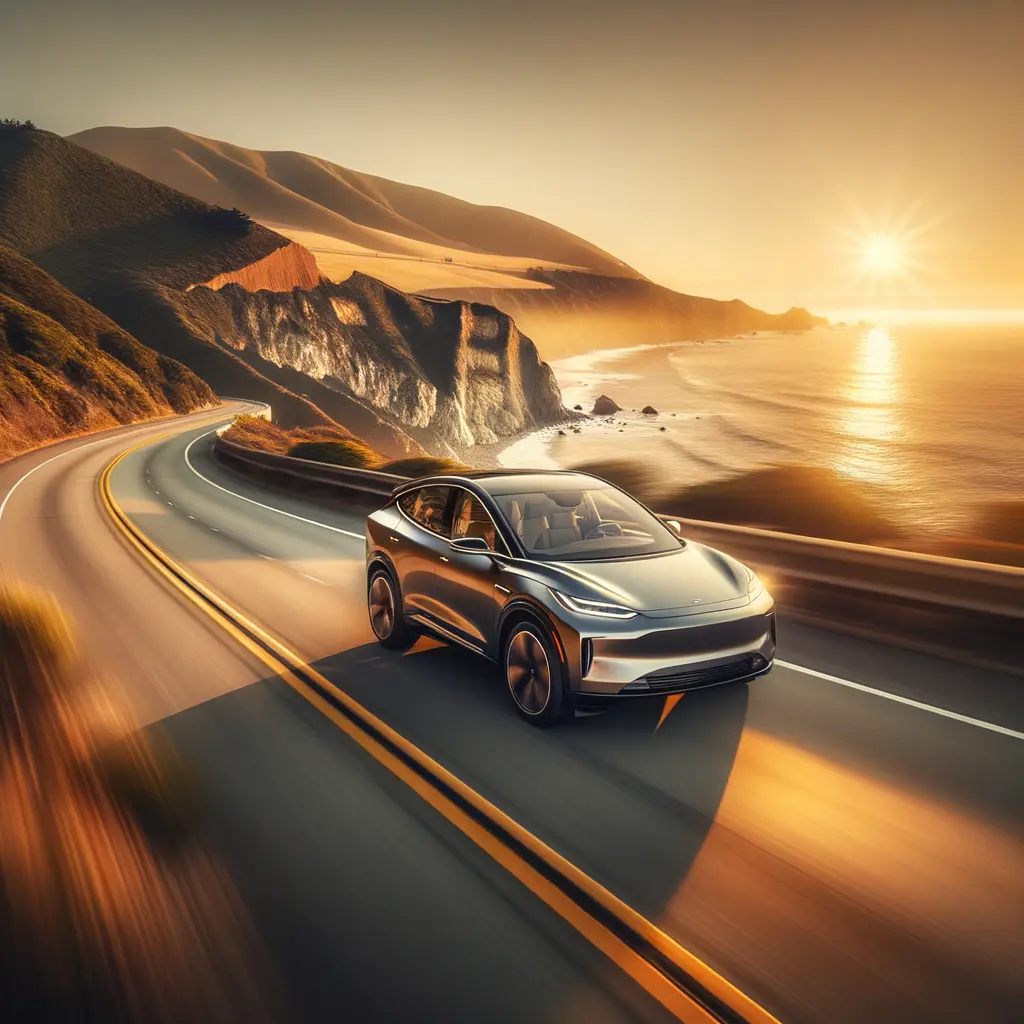
The Xpeng G9 has arrived, and it is immediately being hailed as the most technically advanced electric car ever to roll off a production line. Unveiled with fanfare in China, the three-row, all-electric SUV brings together record-breaking computing power, near-full self-driving capability and luxury design cues that rival established premium brands. For prospective EV buyers who have been waiting for a genuine alternative to the likes of Tesla’s Model X or Mercedes-Benz’s EQS SUV, the Xpeng G9 delivers on every front. At its heart is an 800-volt silicon-carbide platform and a 5C charging architecture capable of accepting up to 500 kW—enough to add hundreds of kilometres of range in the time it takes to grab a coffee. More importantly, the vehicle’s quartet of Turing AI chips delivers 3,000 TOPS, giving the G9 the raw compute muscle required for sophisticated driver-assist features and future robotaxi readiness. In short, Xpeng has packaged bleeding-edge technology into a family-friendly footprint without compromising style or performance. Throughout this article, we’ll explore why the Xpeng G9 is poised to dominate the Chinese electric SUV market and make serious waves globally.
Design, Dimensions and Aerodynamics: Big, Bold and Slippery
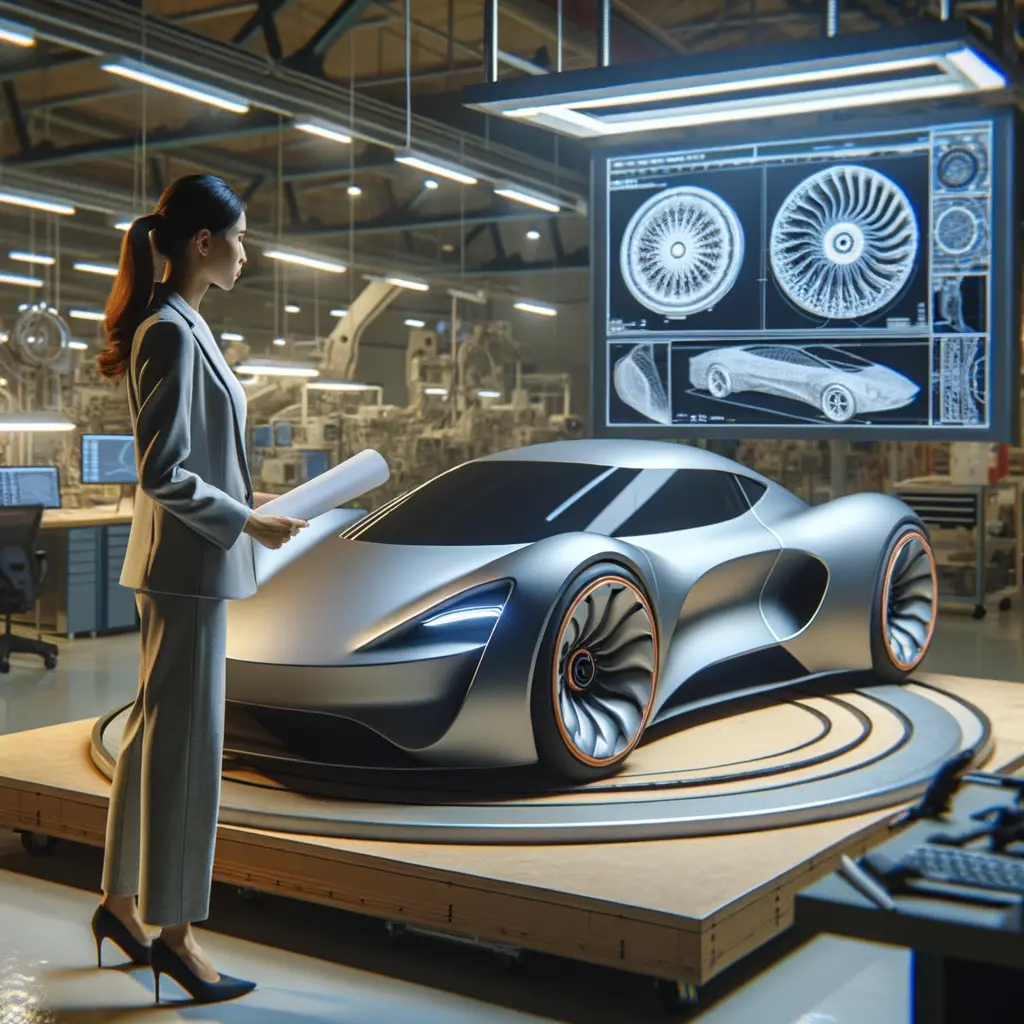
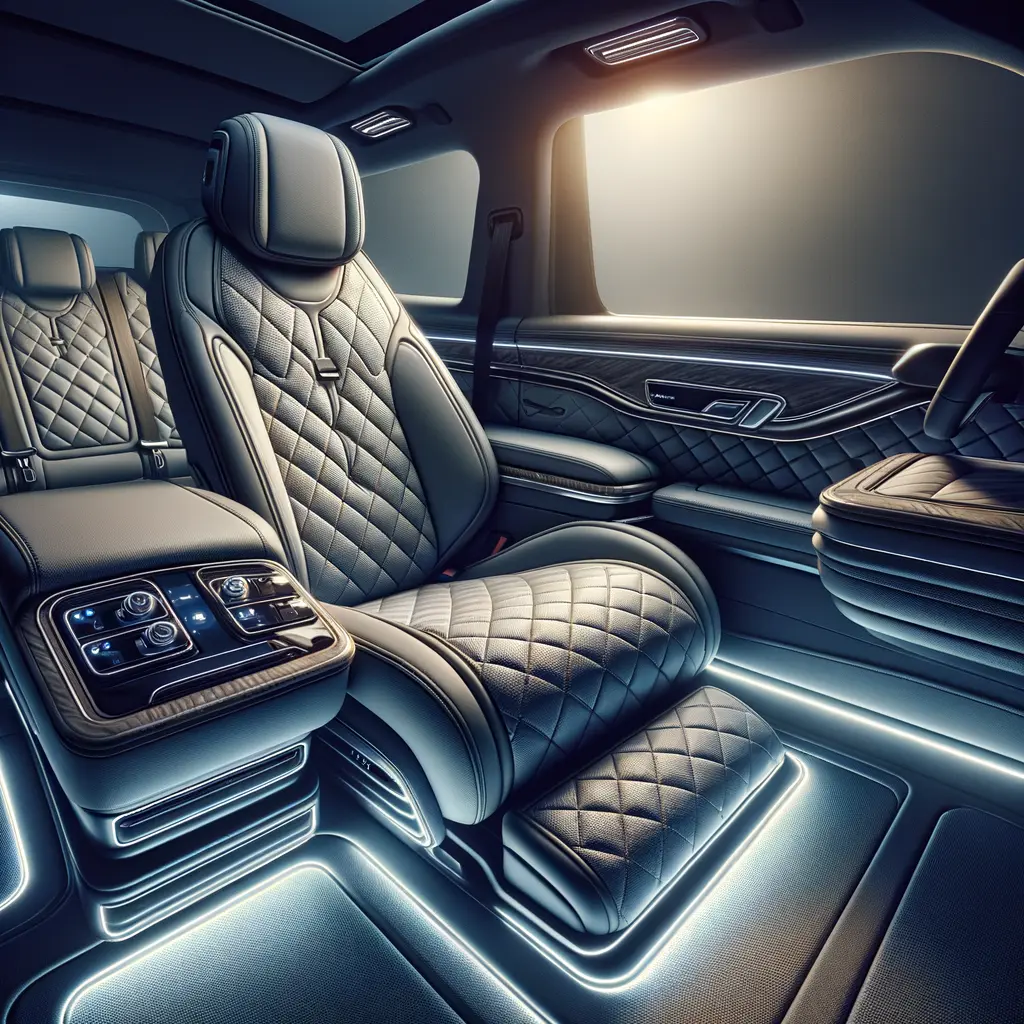
At first glance, the Xpeng G9 evokes the stately presence of a modern Range Rover, yet it manages to carve out its own visual identity through minimalist surfacing and LED light signatures. Measuring 5,265 mm long with a 3,115 mm wheelbase, this Chinese electric SUV is actually longer than the current Range Rover, translating to generous cabin space across all three rows. Despite its imposing stance and massive 22-inch alloy wheels, Xpeng engineers achieved a drag coefficient of just 0.255—more aerodynamic than a Toyota Prius. The low coefficient is the result of an almost flush underbody, active grille shutters and carefully sculpted rear diffusers that keep turbulent air in check. Inside, buyers can choose between six-seat and seven-seat layouts. The six-seat version features second-row captain’s chairs with heating, ventilation, massage and a zero-gravity recline function—luxuries typically reserved for executive sedans. All four doors offer power soft-close, while a cavernous cargo area swallows six 24-inch suitcases even with the third row upright. Finishing off the premium feel is a two-tone, 15-layer paint process powered by a 64-bit colour controller, a first for any Xpeng electric car. Together, these touches position the Xpeng G9 as both a head-turner and a practical family hauler.
Performance, Range and 800-Volt 5C Charging Explained
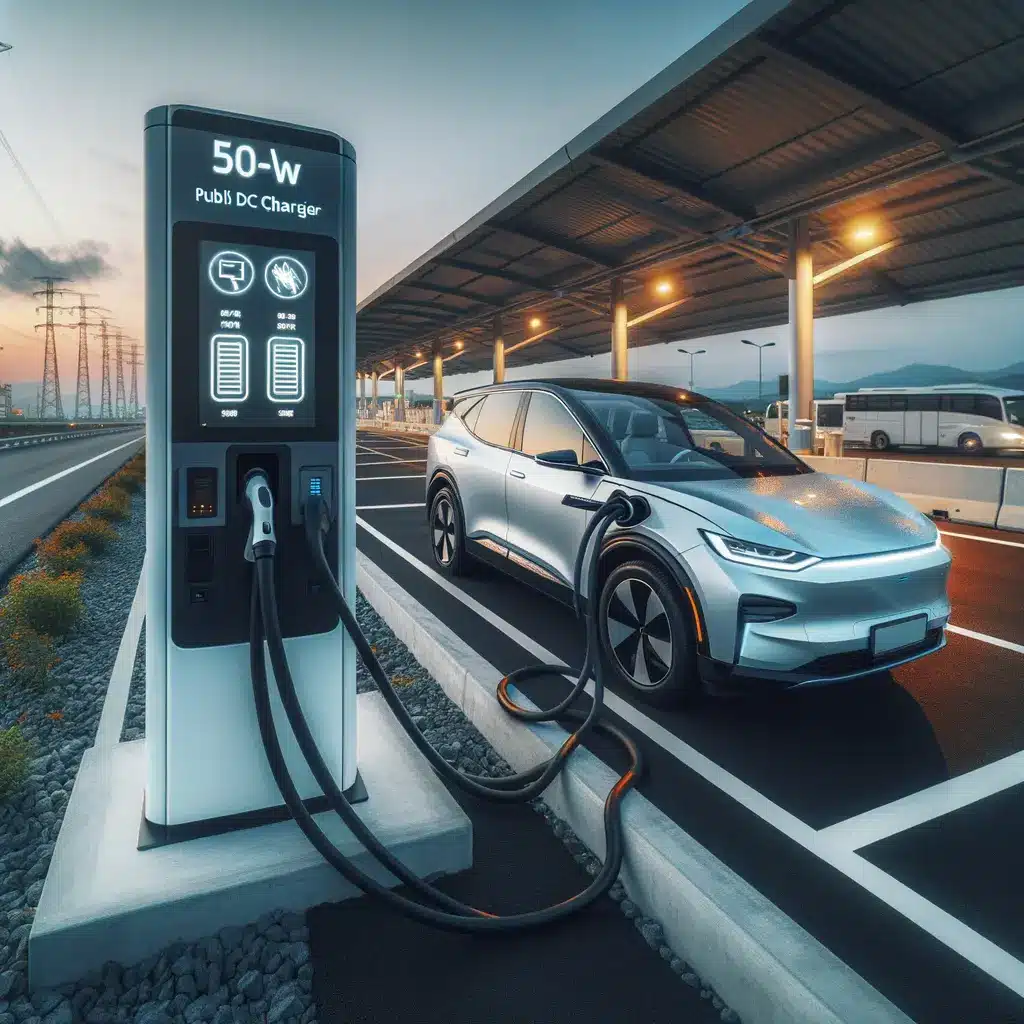
Under the sculpted bodywork, the Xpeng G9 offers buyers a choice between a pure battery-electric variant and an extended-range (EREV) configuration. The BEV flagship pairs dual motors and all-wheel drive to deliver brisk acceleration while providing an impressive 750 km of CLTC-rated range—approximately 620 km on the more conservative WLTP cycle. Crucially, the SUV’s 800-volt electrical architecture supports 5C charging speeds of up to 500 kW, pushing the envelope even further than Porsche’s Taycan or Hyundai’s Ioniq 5. In real-world terms, owners can expect to replenish 200 km of range in roughly five minutes when plugged into a compatible high-power DC charger. For customers who regularly tow or venture far beyond the public charging network, the EREV version incorporates a compact generator that extends total driving range well beyond 1,000 km while still supplying a healthy 430 km of pure electric driving on a full charge. Whether buyers choose the purely electric or range-extended model, the Xpeng G9 remains a technically advanced electric car that refuses to sacrifice long-distance usability. For more on rapid-charge best practices, see our separate article on “Maximising Battery Health During Ultra-Fast Charging.”
3,000 TOPS and Xpeng Autonomous Driving: Inside the Supercomputer on Wheels
The technological pièce de résistance of the Xpeng G9 is its autonomous stack. Powered by four Turing chips delivering an extraordinary 3,000 TOPS, the G9 possesses more raw AI compute than any production vehicle to date. This hardware backbone runs Xpeng’s XNGP (formerly Xpilot) software suite—now on VLA 2.0—which has already demonstrated Tesla-level lane-keeping and urban navigation in extensive real-world testing across China. Key to the system’s responsiveness is a Bosch-co-developed steer-by-wire module that replaces the traditional mechanical linkage between the steering wheel and front axle. By reducing latency and enabling aviation-grade redundancy, steer-by-wire allows the AI to make micro-adjustments faster and with greater precision than a human driver. Safety remains front and centre: the G9 features a triple-layer architecture that combines 720-degree collision sensing, active emergency braking up to 150 km/h and a six-layer redundant power and braking network designed to aviation standards. Although the vehicle will not ship as a fully fledged robotaxi on day one, its hardware is purpose-built for future over-the-air upgrades. As regulatory frameworks mature, the Xpeng G9 could become the spearhead of China’s first commercially viable autonomous ride-hailing fleet, putting tangible distance between Xpeng autonomous driving capabilities and those of rival Chinese electric SUVs.

Cabin Innovation: Luxury, Comfort and Smart Features for Every Seat
Step inside the Xpeng G9 and it becomes clear that the company’s engineers obsessed over every occupant touchpoint. The six-seat layout’s second-row captain’s chairs mimic first-class airline pods, complete with heating, cooling, massaging and a full 180-degree recline in “zero-gravity” mode. A fold-down 15-inch entertainment screen transforms road trips into cinematic experiences, while dome ambient lighting shifts through 256 hues to match mood or time of day. Unique to this technically advanced electric car is a noise-cancelling refrigerator—perfect for keeping refreshments chilled without the usual compressor hum. The infotainment system runs on Xpeng’s Xmart OS, leveraging Qualcomm Snapdragon processors and a 64-bit colour pipeline for crisp graphics across dual 14.96-inch front displays. Physical switches are relegated to critical functions, maintaining a clean aesthetic while ensuring intuitive usability. Add soft-close doors, AI-dimming privacy glass and a panoramic roof, and the G9 genuinely feels more upmarket than its sub-$60k price tag suggests. For readers comparing cabin tech, our article on “Best In-Car Infotainment Systems of 2024” offers a helpful cross-brand breakdown.
Market Impact and What Comes Next for Xpeng’s Flagship SUV
With a starting price of roughly US $58,000, the Xpeng G9 undercuts many established luxury EVs while delivering superior technology and range. Analysts expect it to challenge segment leaders such as the Li Auto L9, Nio ES8 and Aito M9, all of which lack the same level of autonomous-ready hardware. Early pre-order data already points to strong consumer interest, fueled by viral videos showcasing the vehicle’s Xpeng autonomous driving prowess. If sales momentum continues, the G9 could eclipse the Zeekr 001 as China’s top-selling premium EV within its first full year on the market. International expansion is also on the horizon: Xpeng has homologation programs underway in select European markets, where appetite for large, tech-forward SUVs is growing. For buyers considering an import, keep an eye on our upcoming guide to “Chinese Electric SUV Availability in Europe.” Ultimately, the Xpeng G9 embodies the rapid innovation pace of China’s EV sector and signals a new era in which software-defined vehicles compete head-to-head with legacy luxury brands. Expect over-the-air updates to add features such as auto-parking and enhanced highway autonomy, further cementing the Xpeng G9 as the most advanced electric SUV of its generation.