Saudi Arabia Tourism Boom: Why Vision 2030 Matters Now
Saudi Arabia tourism is no longer a niche topic reserved for religious pilgrims alone. Since the Kingdom opened its e-visa program in 2019, international arrivals have surged, and the government’s Vision 2030 tourism blueprint is driving a historic pivot from an oil-centric economy to a diversified, visitor-friendly powerhouse. Vision 2030 tourism targets 150 million annual visits by the end of the decade—nearly triple pre-pandemic levels—placing the country among the world’s ten most visited destinations. That ambition is underpinned by a strategic mix of mega-projects (think NEOM and the Red Sea Global resorts), cultural preservation efforts in UNESCO sites like Al-Ula, and major sporting events that attract global media attention. The numbers are compelling: tourism already contributes 5 percent to GDP, and officials aim to double that to the global average of 10 percent. For travelers, this translates into upgraded airports, streamlined visa platforms, and a hospitality sector adding more than 200,000 rooms. For investors, it offers incentives ranging from tax holidays to 100 percent foreign ownership in targeted zones. Throughout this article we’ll unpack the infrastructure projects, economic rationale, and practical tips shaping Saudi Arabia tourism today—helping you decide when, why, and how to explore the Kingdom’s evolving cultural and natural treasures.
Building the Future: Infrastructure at the Heart of Vision 2030 Tourism
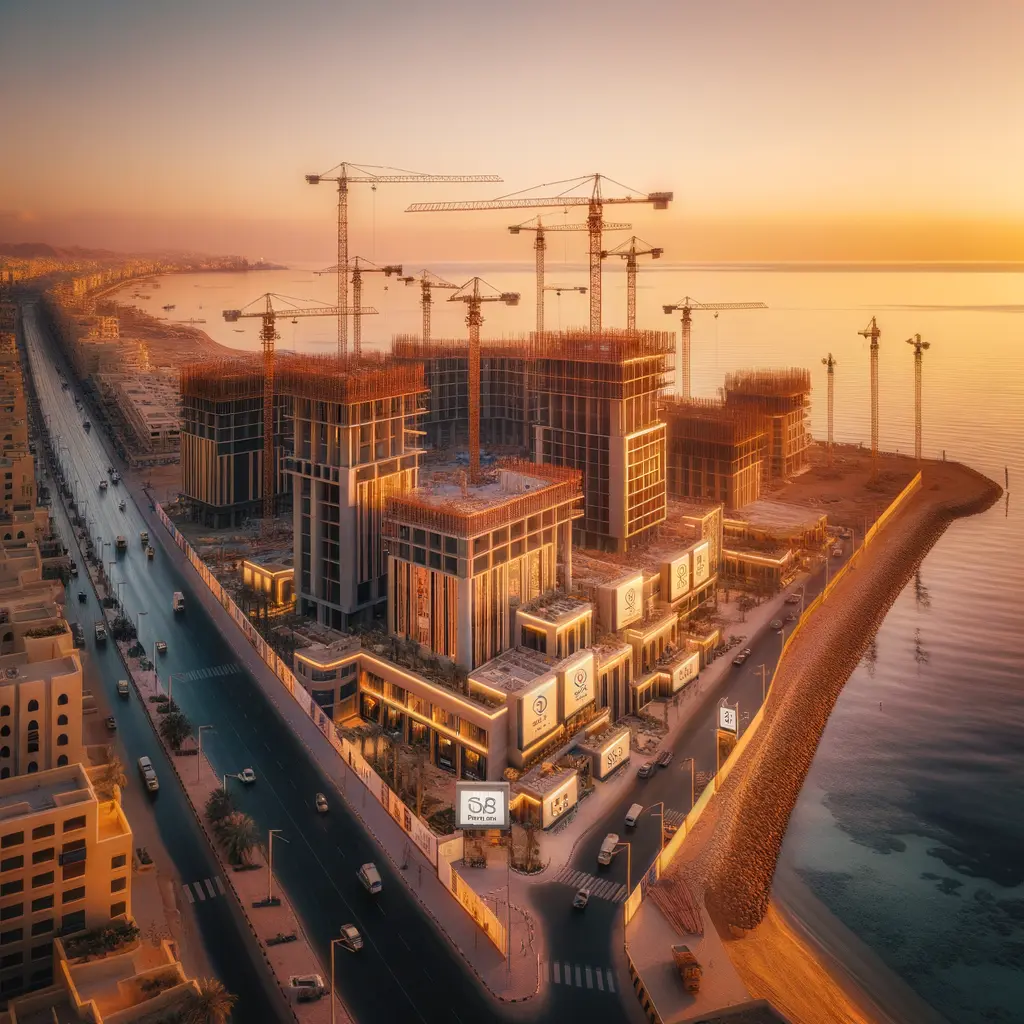
Bold infrastructure spending under Vision 2030 tourism is not just about aesthetics; it is about capacity. To welcome 150 million visitors, Saudi Arabia must simultaneously scale runways, roads, rail, and rooms—an undertaking the Kingdom is funding with multi-billion-dollar Public Investment Fund allocations and public-private partnerships. The Riyadh Metro is nearing full rollout, connecting business districts with tourist hotspots, while a high-speed rail corridor already links Makkah, Madinah, and Jeddah, trimming inter-city transfers to under two hours. Hotel groups such as Accor, Marriott, and Hilton have signed memoranda to add more than 50,000 keys, ranging from five-star towers along Jeddah’s corniche to eco-lodges in the Red Sea’s mangrove-lined islands. Meanwhile, digital infrastructure is just as critical: a single national tourism data dashboard now aggregates occupancy, flight searches, and spending patterns in real time, letting officials fine-tune marketing campaigns toward high-value source markets like China, India, and the UK. For readers running hospitality or travel-tech startups, there are clear internal-link opportunities with our deep dive into “Starting a business in Saudi free zones” and “How GCC cloud services support hospitality”. By modernizing hard and soft infrastructure simultaneously, Saudi Arabia tourism is positioning itself as the Middle East tourism growth leader—overtaking regional hubs that once dominated layover traffic.
Riyadh Airport Expansion: King Salman International as a Global Gateway
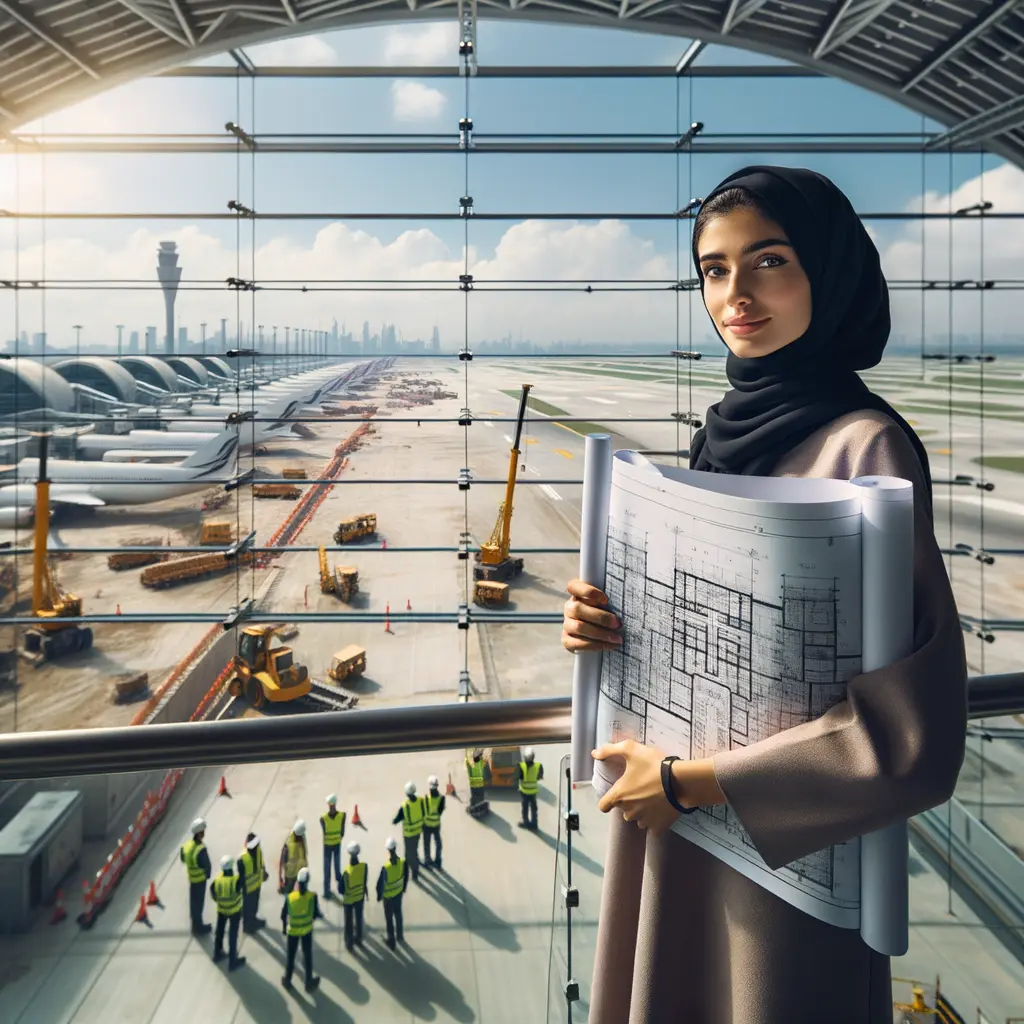
Few projects symbolize the scale of Riyadh airport expansion like the forthcoming King Salman International. Designed to handle up to 225 million passengers annually—surpassing the current throughput of Dubai International—the six-runway behemoth will integrate a mixed-use airport city with hotels, duty-free mega-malls, and cargo villages. Planners promise a frictionless passenger journey: biometric facial recognition at immigration, dedicated e-visa kiosks, and a multimodal hub linking the terminal to Riyadh Metro Line 5 within minutes. Sustainability also plays a starring role; photovoltaic panels across shaded parking structures will generate 25 percent of the complex’s energy needs, while grey-water recycling will irrigate surrounding date-palm groves. For airlines, incentives include discounted landing fees and fast-track slots for new long-haul routes—early murmurs point to nonstop Los Angeles, São Paulo, and Shanghai services operated by the Kingdom’s newly launched carrier Riyadh Air. The airport’s architecture, blending Najdi vernacular with contemporary glass domes, aims to give arriving travelers an immediate sense of place, fulfilling leadership’s mantra: “build it and they will come.” To understand how this hub affects flight pricing and connectivity, check our internal article “Comparing Gulf hub layovers: Doha vs. Riyadh.”
Beyond Pilgrimage: Heritage, Culture and Nature Drive Diversified Demand
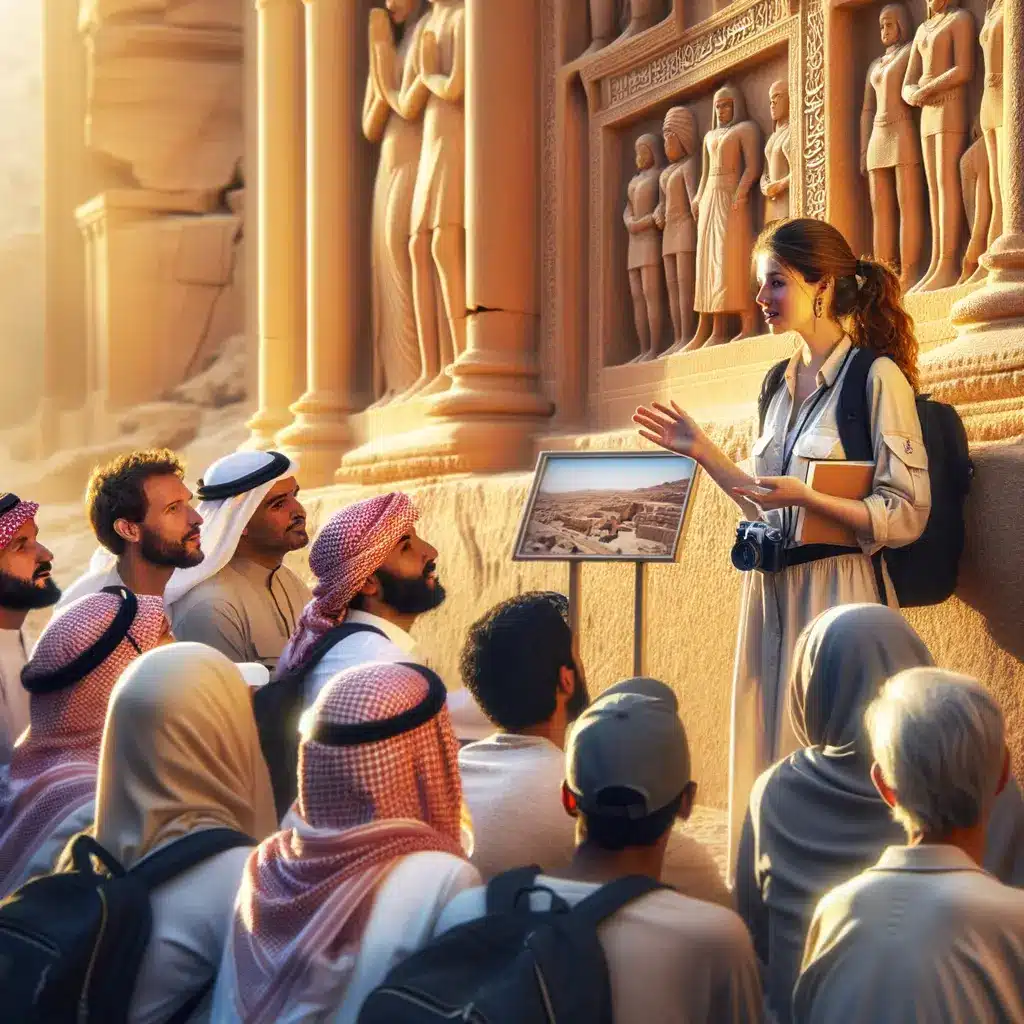
While the Hajj and Umrah pilgrimages remain central, the share of purely religious arrivals within Saudi Arabia tourism has fallen from roughly 60 percent in 2019 to below 50 percent today. The government’s diversification strategy is clear: expand leisure, adventure, and cultural offerings to grow overall footfall without saturating holy cities. Al-Ula’s sandstone canyons now host annual art festivals under star-studded skies, and the World Rally-Raid Championship roars across the Empty Quarter, captivating motorsport fans. Beach lovers will soon choose between 90 unspoiled islands in the Red Sea Project, many with strict coral-reef protection zones and hybrid solar-diesel microgrids that keep emissions minimal. Meanwhile, UNESCO-listed Diriyah Gate is transforming into a walkable heritage district with museums, cafés, and night-time sound-and-light shows that narrate the birth of the Saudi state. These diversified products cater to segments from backpackers using our Saudi Arabia travel guide to luxury seekers booking overwater villas. They also lengthen average stay—now 7.2 nights for non-religious tourists—boosting per-capita spend. Travelers curious about Arabia’s lesser-known green mountains can explore our guide to “Hiking the Asir Highlands” for more bucket-list ideas. By showcasing authentic culture and varied landscapes, Vision 2030 tourism mitigates seasonality risks and broadens the Kingdom’s brand far beyond pilgrimage.
Investing in Middle East Tourism Growth: Incentives, Jobs and ROI
From boutique hoteliers to venture-capital funds eyeing experiential travel apps, investors are flocking to opportunities created by unprecedented Middle East tourism growth. Saudi Arabia offers a compelling value proposition: a young population (more than 60 percent under 35), rising disposable incomes, and government-backed loan guarantees for qualifying projects. The Tourism Development Fund disbursed over US$6 billion in 2023 alone, with priority sectors including eco-lodges, heritage restoration, MICE (meetings, incentives, conferences, exhibitions) venues, and smart-mobility solutions. Foreign investors benefit from 100 percent ownership in economic cities like NEOM as well as ten-year tax holidays. Talent development keeps pace: an additional 250,000 tourism-sector jobs have materialized in the last five years, boosted by vocational programs at the Saudi Culinary Arts Academy and partnership training with Cornell University’s School of Hotel Administration. Risk mitigation is equally important—public-private partnerships use build-operate-transfer models that limit upfront capital exposure while delivering double-digit IRRs. Entrepreneurs researching market entry should read our companion analysis “Licensing a tour operator in Saudi Arabia”. As the Riyadh airport expansion comes online and flight frequencies multiply, first-mover advantage could translate into long-term dominance across accommodation, attractions, and tech-driven guest services.
Your Saudi Arabia Travel Guide for 2024–2030: Practical Tips & Takeaways
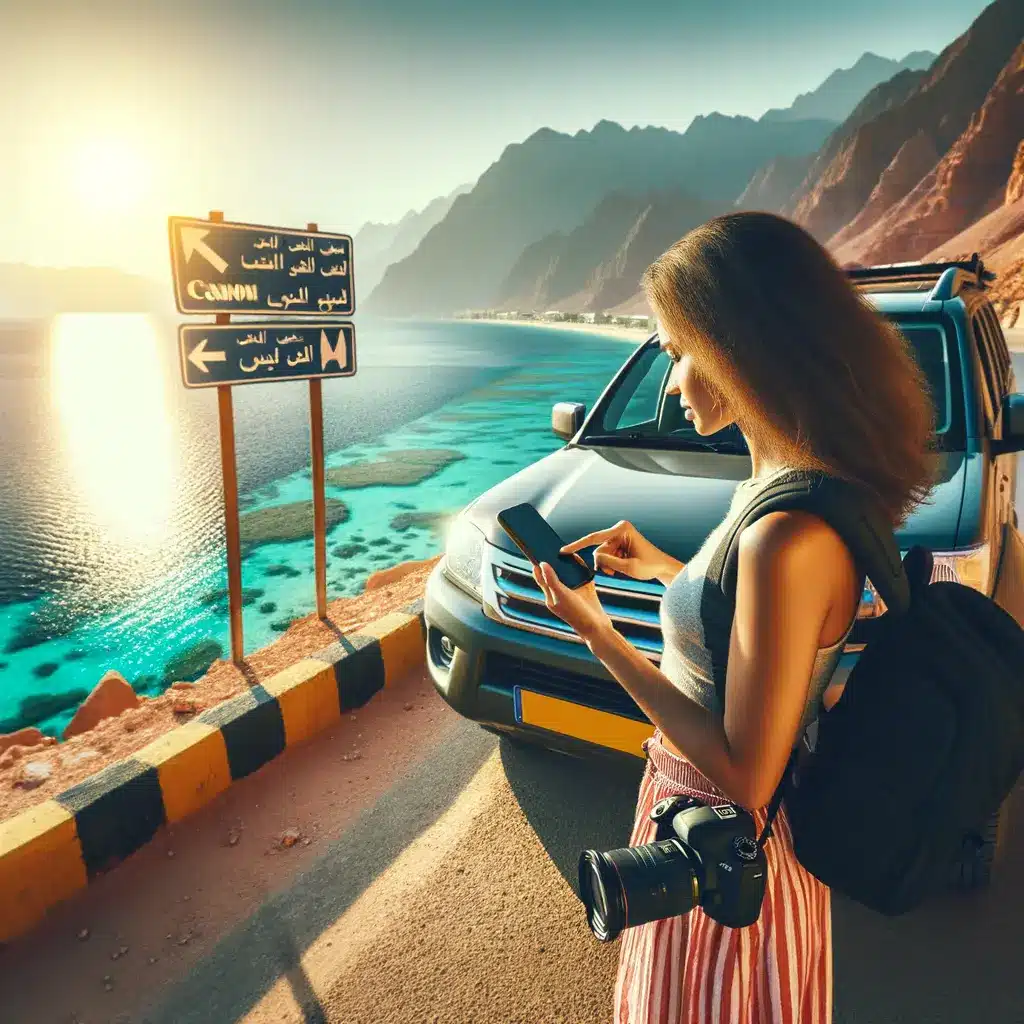
Ready to experience Saudi Arabia tourism yourself? Begin by securing an e-visa online; most nationalities receive approval within minutes. Plan flights early—Riyadh airport expansion will gradually increase capacity, but peak seasons around Formula 1 in Jeddah and Riyadh Season concerts sell out quickly. Dress codes are now relaxed; modest attire is still encouraged, but an abaya is no longer mandatory for foreign women outside holy cities. Public transport is improving, yet renting a car remains the most flexible way to reach emerging attractions like the Red Sea’s Umluj islands. Book accommodations through international chains or locally run heritage hotels—either way, demand is climbing 15 percent year-on-year, so early reservations ensure better rates. Currency is the Saudi Riyal (SAR); credit-card acceptance is near-universal in urban areas, but carry cash for remote souqs. Finally, respect local customs: daily prayer breaks may affect shop hours, and photographing government buildings is prohibited. For deeper orientation, consult our Saudi Arabia travel guide to regional etiquette and language basics. In closing, the momentum behind Saudi Arabia tourism is undeniable. Vision 2030 tourism reforms, record infrastructure spend, and Middle East tourism growth collectively signal that the best time to explore the Kingdom is now—and the window of undiscovered novelty is narrowing fast.