The 2026 Electric Car Revolution: What’s About to Change
Picture an urban morning in 2026: you unplug your sedan, glance at the dashboard, and it already knows the cheapest time and place to top-up on your commute. The advances coming to electric mobility over the next three years are nothing short of transformative. At the core of this leap is the solid state battery, a chemistry that promises safer cells, double energy density and almost no degradation in sub-zero winters or scorching summers. Yet batteries are only half the story. Artificial-intelligence-driven navigation, bi-directional power flow and roads that actively replenish your battery will soon converge into a single, smart energy ecosystem. For drivers in India, Europe or the U.S., that means the dreaded range conversation will finally shift from “Will I make it?” to “How much power can I sell back tonight?” This article distills the five most disruptive innovations highlighted in the recent video “EV Future EXPOSED 2026: 1000KM Range, 10 Min Charge & Smart Power Cars!” and adds fresh market data, practical use cases and internal resources. If you’re researching whether to buy your first EV or upgrade from a first-generation model, read on, then visit our comparison of 2024 electric SUVs and our guide to installing a home wallbox for deeper insights.
AI Trip Planning & Smart Charging: Killing Range Anxiety for Good
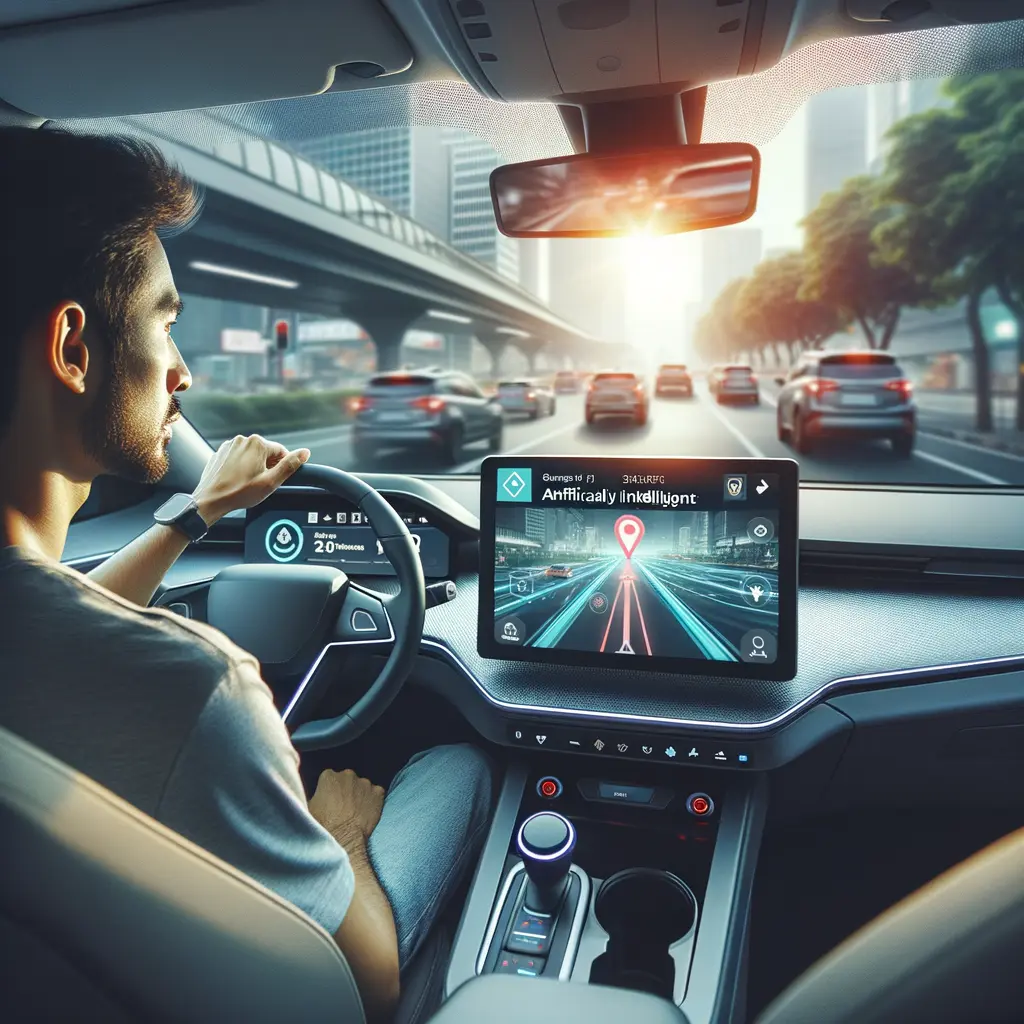
Google’s March 2026 rollout of AI-powered trip planning inside Android Auto is quietly rewriting the rules of long-distance EV travel. Once you add your vehicle profile, Maps instantly factors battery size, payload weight, traffic, elevation and weather before it suggests where and when to stop. The system even adjusts on the fly if heavy rain or a sudden detour appears. For owners of a 1000 km range electric car, that means you may only need a single splash-and-dash on a 1,500-kilometre holiday drive. Early data from U.S. beta users shows route planning accuracy within 3 % of actual state-of-charge on arrival. India is next—expect nationwide support by December, starting with Tata, BYD and MG models.
Why does this matter? First, it concentrates three separate tasks—navigation, charger discovery and range prediction—into one streamlined interface. Second, it prepares the network for 10 minute EV charging hardware now hitting 350-kW and 800-V architecture. Finally, it lays the groundwork for time-of-use optimisation: your car will soon wait until off-peak tariffs kick in, or until rooftop solar over-produces, before initiating a charge. Curious about charging etiquette? See our article on the dos and don’ts at public fast-charging plazas for a deeper dive.

Solid State Battery Breakthrough: 1000 km Range & 10-Minute Top-Ups
If there is a single technology set to redefine electric mobility, it is the solid state battery. By replacing today’s flammable liquid electrolyte with a ceramic or polymer solid, engineers eliminate thermal runaway and enable ultra-thin lithium metal anodes. That chemistry shift doubles energy density from today’s 250 Wh/kg to as high as 500 Wh/kg. In real-world terms, the next Mercedes prototype has already clocked 1,200 kilometres on one charge, matching the boldest 1000 km range electric car targets the industry has set.
Charging speed is equally dramatic. Toyota’s 2027 packs aim for 10 minute EV charging from 10 % to 80 % on an 800-V platform. The higher temperature tolerance of a solid state battery allows currents exceeding 6 C without damaging cell life. Factorial Energy, QuantumScape and CATL are all pilot-producing pouch cells that retain 90 % capacity after 1,000 fast-charge cycles.
While early packs will be expensive, analysts expect cost parity with today’s lithium-ion by 2028 as gigafactories retool. Those economics could wipe up to 25 % off sticker prices while giving compact hatchbacks the cruising range of a diesel SUV. For enthusiasts, that also means less need to haul a massive battery just to go farther—good news for handling and resource use alike.
Vehicle-to-Grid: Turning Your Car into a Mobile Power Plant
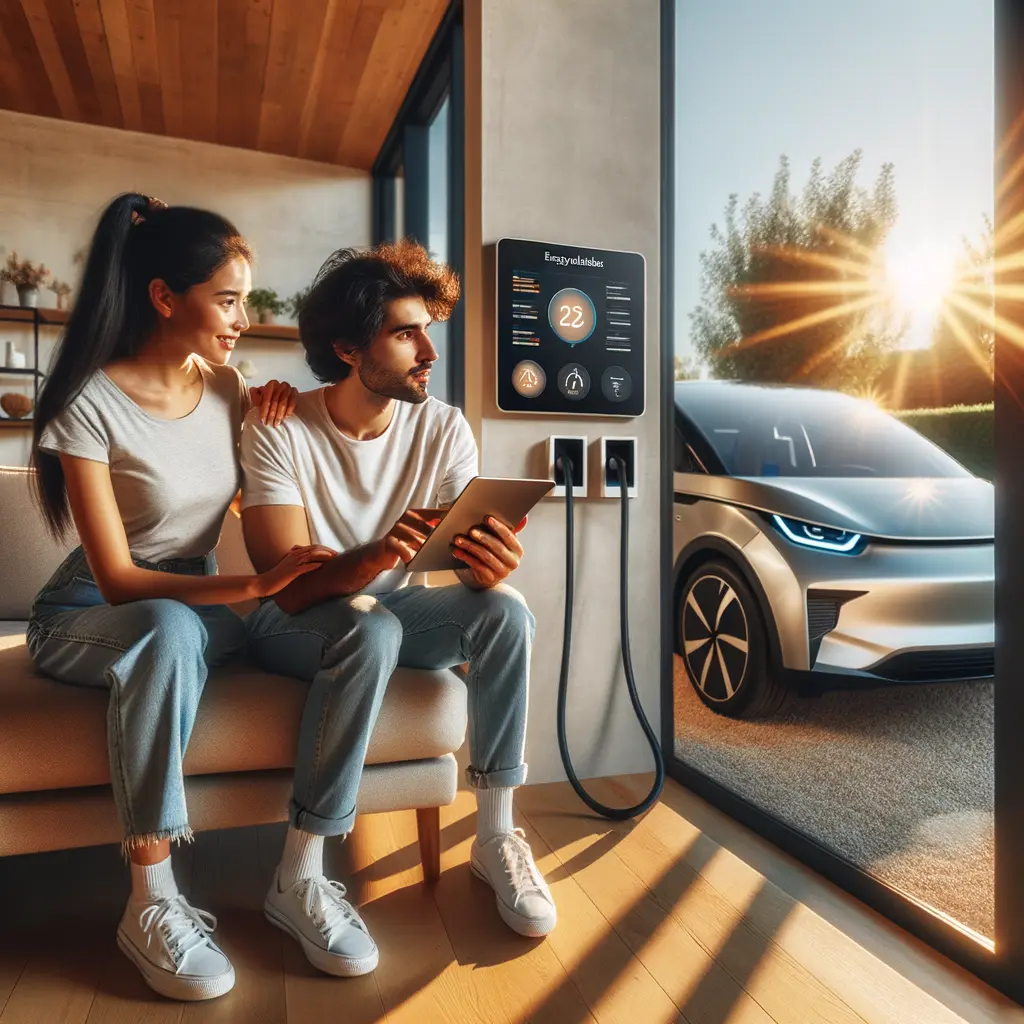
Imagine pulling into the driveway after work, plugging in, and watching your home energy app show negative consumption rather than a bill. That is the promise of vehicle to grid technology (V2G). Bi-directional chargers allow an EV to push electricity back to the utility or a private micro-grid during peak demand, then recharge when rates fall. A study by the University of Delaware found that a single 60 kWh pack could power a typical household for 2.5 hours, or earn up to US $2,000 a year when aggregated in frequency-regulation markets.
Pilot programmes are exploding worldwide. Ford’s F-150 Lightning fleet in Maryland now feeds hospitals during outages. BMW and energy giant E.ON will pay German i4 owners up to €720 annually starting 2026, while Nissan plans an affordable V2G wallbox for the UK. India isn’t far behind: Tata’s upcoming Harrier EV and Mahindra’s XUV.e8 already support vehicle-to-load, and smart-grid upgrades in Delhi and Bengaluru are earmarked for full V2G trials by 2028.
To participate, homeowners need a certified 7- to 11-kW bi-directional charger, a utility tariff that compensates exports, and software that safeguards battery health. Thanks to solid state battery resilience, future packs will tolerate thousands of discharge cycles with minimal capacity loss, expanding V2G viability for the long haul. For more on home energy optimisation, read our overview of net-metering with rooftop solar.
Wireless EV Charging: From Parking Pads to Electrified Highways
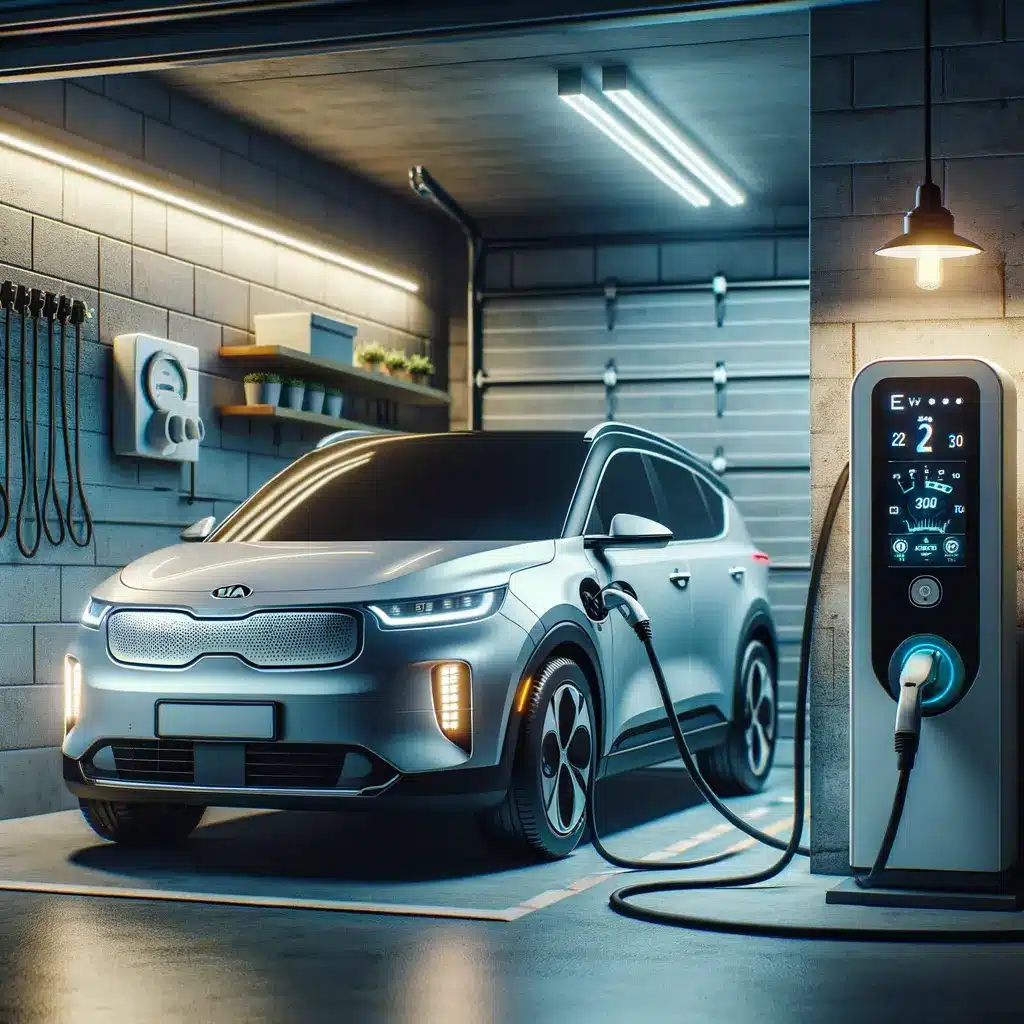
Laying a cable may soon feel as old-fashioned as rewinding a cassette. Wireless EV charging has leapt from 80 % efficiency prototypes to commercially viable 93 % systems that rival Level-2 plugs. Two flavours exist. Static pads—now offered by BMW and Hyundai—use inductive coils embedded in parking bays; simply park and the car aligns via ultra-wideband beacons, eliminating physical connectors that wear or corrode.
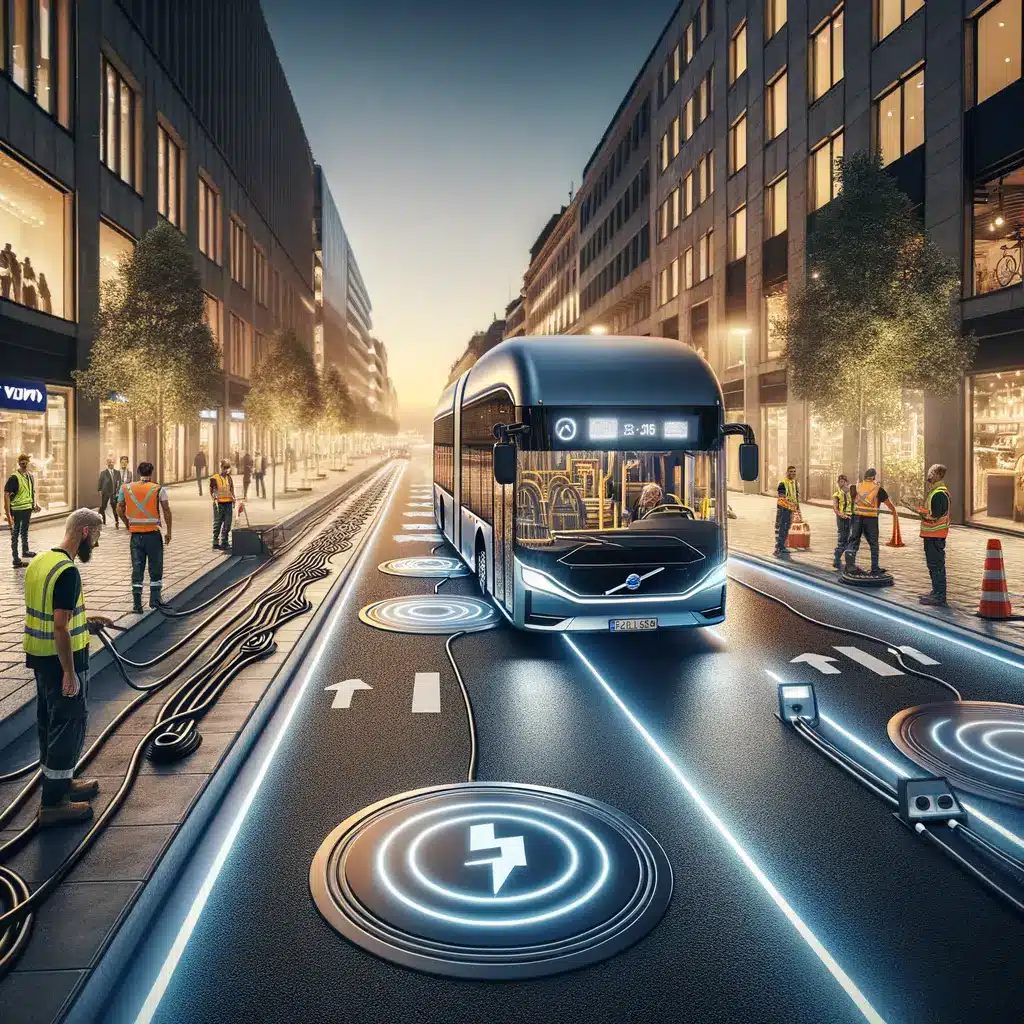
The real paradigm shift, however, is dynamic wireless EV charging built directly into the roadway. Purdue University’s 2025 pilot demonstrated 200 kW power transfer to Class-8 trucks while travelling at 100 km/h. Israeli start-up ElectReon is already running 23 wireless buses in Tel Aviv, each reporting an extra 60 km daily range without lengthy depot stops. European Union feasibility studies suggest that electrifying just 10 % of motorway lanes could cover 80 % of long-haul freight energy needs.
For India, early deployment will target bus rapid-transit corridors in Delhi, Mumbai and Bengaluru between 2026-27, dovetailing with Tata and Mahindra’s adoption of 800-V architectures. The benefit is two-fold: smaller on-board batteries lower vehicle cost and weight, while continuous top-ups practically erase range limits. Combined with a solid state battery capable of ultra-fast bursts, drivers may never need to think about state-of-charge again.
What It All Means for Drivers: Preparing for the Solid-State, Smart-Grid Era
By 2026 the electric vehicle will have evolved from a simple transport appliance into the cornerstone of a distributed energy network. The solid state battery sits at the heart of this change, enabling the 1000 km range electric car and slashing recharge times to a coffee break. Add AI trip planning, wireless EV charging roads and vehicle to grid technology, and ownership economics tilt decisively in favour of electrons over petrol.
So how can today’s motorists prepare? First, choose models equipped with 800-V architecture to future-proof for 10 minute EV charging stations. Second, install a bi-directional charger even if your utility does not yet pay for exports; firmware updates can unlock income later. Third, lobby local councils for inductive bus lanes—the same coils benefit passenger cars. Finally, stay informed: subscribe to our newsletter for monthly policy updates and read our analysis of upcoming battery recycling regulations.
The bottom line is clear: the next generation of EVs won’t just move us, they will power our homes, stabilise our grids and, ultimately, pay us back. Embracing these innovations early positions you to save money, reduce emissions and enjoy tech once reserved for science fiction. The electric age is accelerating—make sure you’re in the driver’s seat.