The New Definition of Luxury: Key Luxury Travel Trends 2025
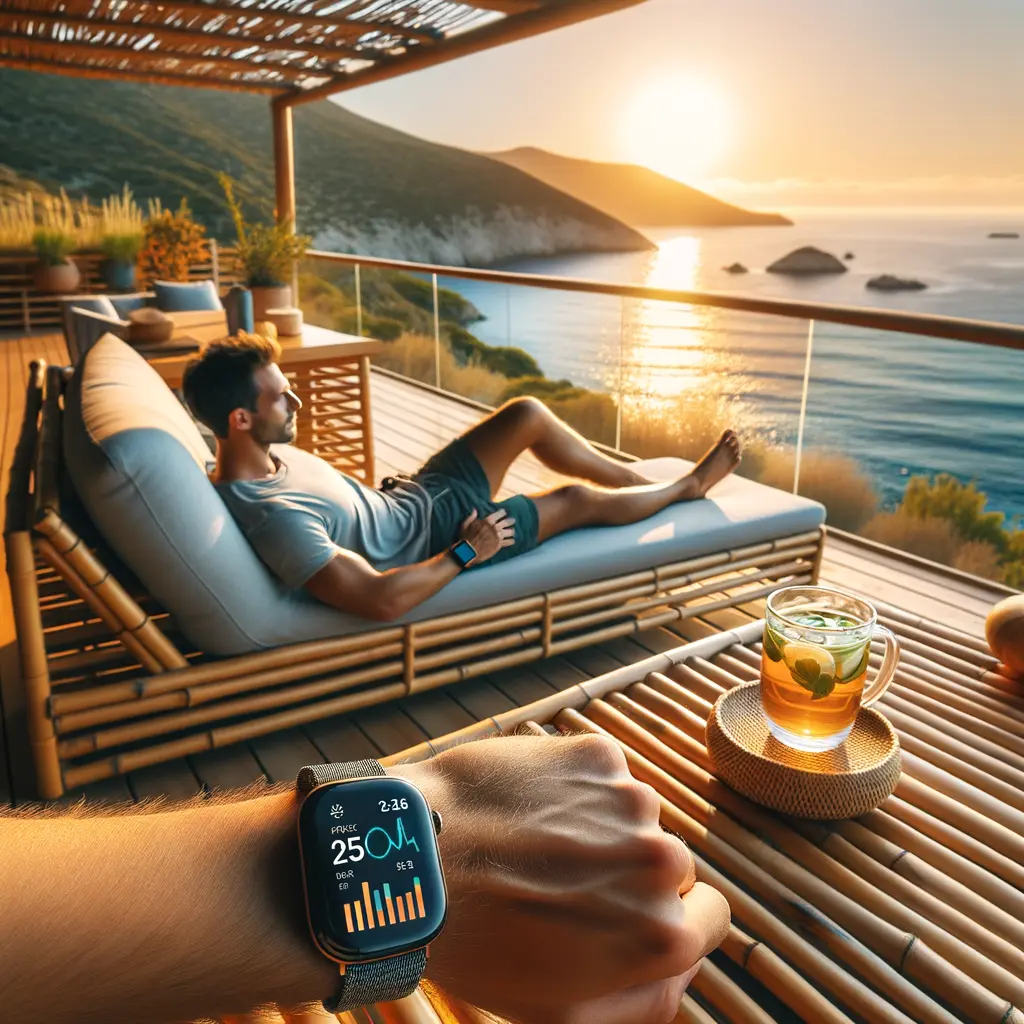
Luxury has always promised rarity, comfort, and status, yet 2025 ushers in an era where technology—and not marble lobbies alone—defines indulgence. Among the most‐searched luxury travel trends 2025 is the shift from abundance to alignment: trips designed by algorithms but felt deeply by humans. High-net-worth travelers now expect journeys that learn their habits, values, and even biometrics on the fly. That expectation drives brands such as Four Seasons, Rosewood, and Aman to embed luxury travel technology into every touch point. RFID room keys that double as wellness trackers, biometric boarding at private terminals, and AI concierges syncing with your smartwatch are no longer pilot projects—they are baseline standards.
Why does this matter for travelers planning their next dream escape? First, the promise of frictionless movement: no check-in lines, no generic menus, no “one-size-fits-all” spa packages. Second, the certainty of relevance: recommendations honed to your heart rate, climate preference, and sustainability ethos. Finally, the prestige of privacy: elite brands compete not just on personal service, but on transparent data ethics that protect your digital fingerprint.
For readers eager to dive deeper, explore related insights on sustainable aviation fuels or blockchain-based loyalty programs—two adjacent innovations accelerating the same personalization wave.

AI-Powered Personalization: Turning Data Into Bespoke Delight
Behind every standout luxury travel technology platform sits a sophisticated AI engine. Virtuoso, Amadeus, and boutique agencies now feed millions of preference points—pillow firmness, wine varietals, and even favorite running routes—into neural networks that craft hyper-personalized travel experiences in seconds. For travelers obsessed with luxury travel trends 2025, this means your itinerary rewrites itself in real time: a sudden rain shower in Capri instantly swaps your yacht charter for a private pasta-making class with a Michelin chef.
Key mechanics driving this shift:
• Predictive AI: scans historical behavior to anticipate needs before you voice them.
• Dynamic packaging: combines flights, villas, and experiences based on live pricing and weather APIs.
• Biometric feedback: wearables transmit stress levels, prompting automatic spa reservations or mood-enhancing lighting presets.
Travel advisors aren’t disappearing; they’re evolving into curators who verify AI suggestions and add human flair. That blend keeps the soul in service while achieving efficiencies impossible five years ago. Early adopters report 35% higher guest satisfaction scores and double-digit ancillary spending increases—compelling stats for hoteliers weighing their next tech upgrade.
Want a step-by-step look at how advisors configure these systems? Check our guide to machine-learning recommendation engines in hospitality.

Immersive Planning & Emotion AI: Feeling Destinations Before You Arrive
Picture slipping on a lightweight XR headset at home and walking through your over-water villa in Bora Bora, adjusting décor and scent profiles with a voice command. This is no gimmick; spatial computing and emotion AI are converging to make pre-trip planning an integral part of personalized travel experiences. Luxury cruise lines now outfit suites with augmented-reality portals that superimpose historical narratives over passing coastlines, while boutique tour operators let clients sample vineyard terroir via haptic feedback during selection calls.
Emotion AI travel tools go further by monitoring facial micro-expressions and vocal tone. If the system senses rising excitement while you explore virtual coral reefs, it prioritizes marine-focused excursions in your live itinerary. Conversely, signs of fatigue can trigger a suggestion for a restorative wellness module at Six Senses Rome—complete with circadian-rhythm lighting calibrated to your timezone shift.
After engaging with these previews, guests who land on-site report feeling an immediate sense of familiarity—reducing travel anxiety and boosting on-property spending by up to 22%. To witness many of these breakthroughs in action, watch the embedded video above (placed right here in the finished post) where we break down hardware, software, and case studies in under eight minutes.
Intelligent Mobility & Smart Luxury Hotels: Seamless, Sustainable Transit
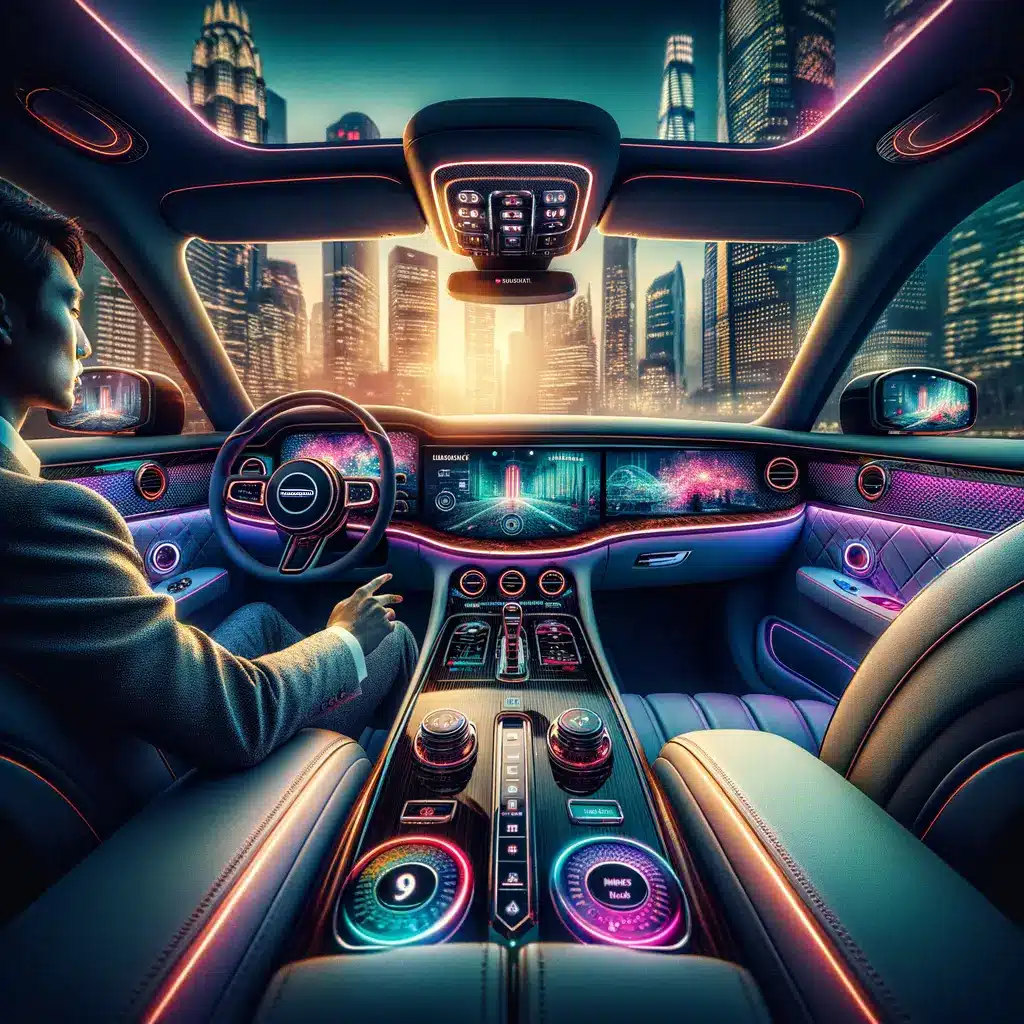
Getting from A to B used to be the least glamorous segment of a trip; luxury travel trends 2025 flip that script. VistaJet now leverages machine-learning flight-path optimization to slash emissions 10-15% while preserving door-to-door speed. Rolls-Royce’s bespoke chauffeur fleet greets passengers with biometric cabin presets—temperature, seat position, even signature fragrance profiles—before the door fully closes.
On the ground, smart luxury hotels connect to these same data streams. Your ETA updates the lobby team, triggering a personalized welcome ritual—perhaps iced Sencha if humidity is high or a eucalyptus-infused towel after a red-eye. Suites equipped with IoT sensors continuously learn ideal humidity, circadian lighting, and ambient sound for each guest, trimming energy waste by up to 30% without sacrificing indulgence. Such responsive architecture is fast becoming the gold standard in regions like Dubai’s Museum District and Singapore’s Sentosa Smart Tourism Corridor.
Travelers keen on broader infrastructure improvements will appreciate how autonomous eVTOL transfers and renewable micro-grids are laying groundwork for carbon-neutral itineraries. For more, see our deep dive into net-zero resort design—another cornerstone of luxury travel technology reshaping the sector.
Privacy, Ethics & Trust: The Silent Currency of Personalization
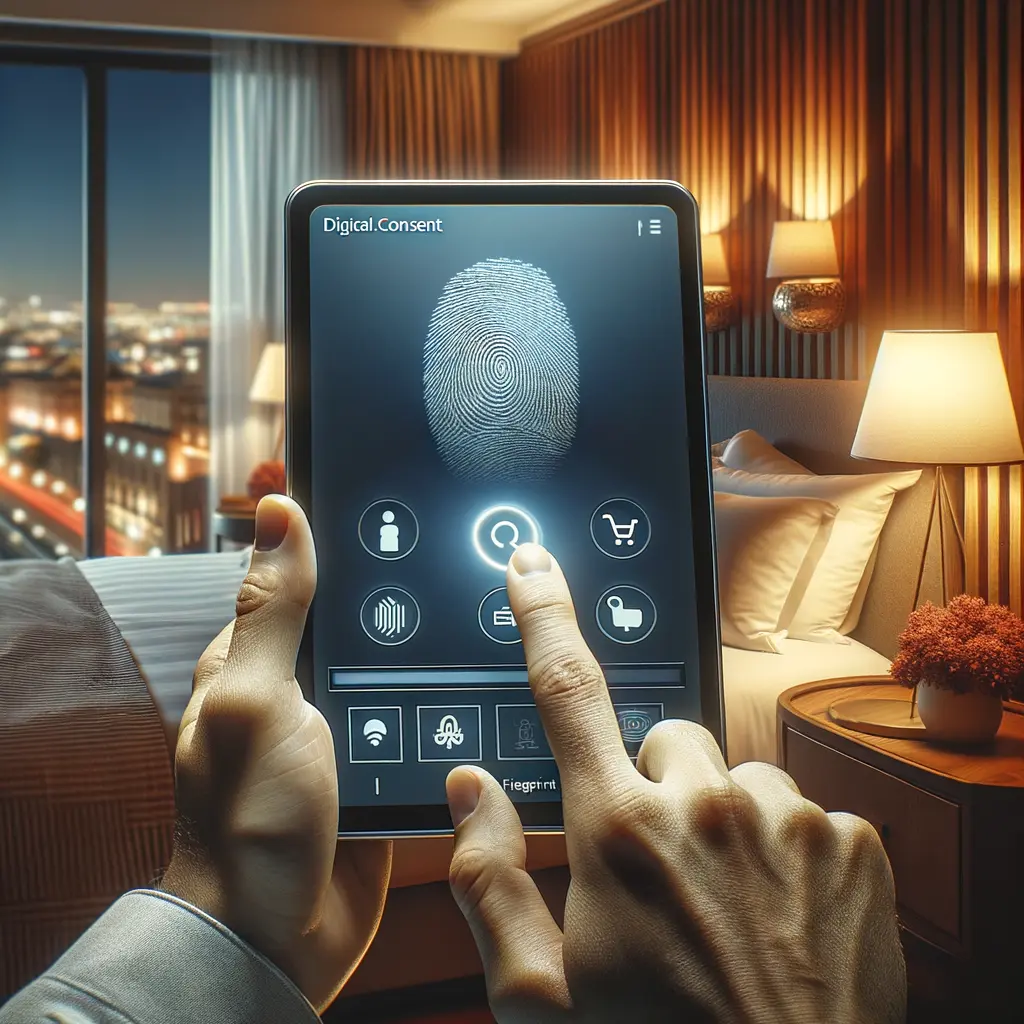
The richer the data, the sharper the personalization—yet 2025 travelers draw a hard line at privacy. Encrypted edge devices, zero-knowledge protocols, and consent dashboards now act as status symbols rivaling designer luggage. Luxury brands that mishandle data face swift backlash, whereas those that champion ethical design see loyalty metrics soar. Four Seasons’ new Guest Genome Vault, for instance, stores preferences in decentralized nodes, granting visitors the power to delete or transfer their profile at will.
Best practices for hoteliers embracing luxury travel technology include:
1. Transparent opt-in flows outlining exact data uses.
2. Biometric tokenization that converts raw identifiers into anonymous hashes.
3. Real-time breach alerts coupled with complimentary identity monitoring.
These safeguards transform personalization from a potential liability into a competitive advantage. Guests no longer ask, “What do you know about me?” but rather, “How securely do you hold it?” For additional context, our article on EU Digital ID regulations explains forthcoming compliance hurdles and opportunities for hospitality innovators.
Looking Ahead: Aligning Technology, Emotion & Purpose
If 2025 represents the debut of tech-infused opulence, the encore will weave sustainability, wellness, and purpose into every algorithmic recommendation. Predictive travel ecosystems already synchronize smartwatch stress data with hotel spa availability, but next-gen platforms will extend to carbon offset markets, local community engagement, and even regenerative agriculture partnerships. That evolution keeps luxury travel trends 2025 alive while steering the industry toward conscious prosperity.
Expect future personalized travel experiences to feature:
• Context-aware carbon calculators bundling automatic reforestation credits.
• AI curators that match travelers with social-impact excursions aligned to personal causes.
• Emotion AI travel dashboards offering post-trip well-being analytics and actionable insights.
Ultimately, luxury is migrating from things you can count—thread counts, star ratings—to feelings that count: restoration, connection, alignment. Brands that master smart luxury hotels, ethical data, and empathic design will own the loyalty of tomorrow’s globetrotters. For readers mapping their strategic roadmap, don’t miss our forthcoming analysis on quantum-safe encryption for hospitality—because trust must scale alongside innovation.
In other words, the apex of luxury travel technology is not about replacing magic with machines. It’s about machines creating the precise conditions for magic to flourish—so every moment of your journey feels like it was scripted exclusively for you.