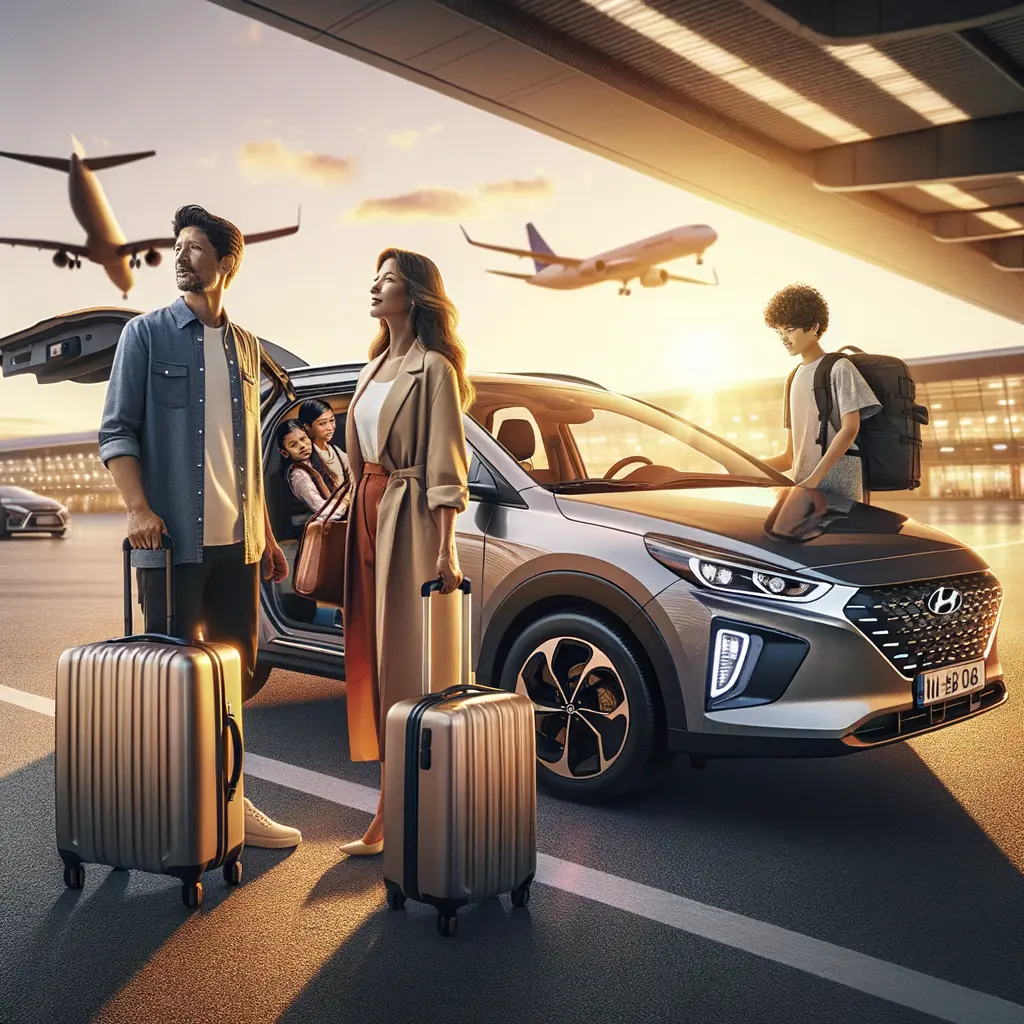
Meet the Hyundai IONIQ 9: The New Benchmark for Big Electric Families
The Hyundai IONIQ 9 is the Korean brand’s boldest model to date and, in many ways, the most complete electric family car on sale. Sitting on the advanced 800-volt E-GMP platform, the Hyundai IONIQ 9 combines genuine seven-seat practicality with sports-car-rivaling acceleration and class-leading charging speeds. In this review we put the SUV through its paces, assessing everything from day-to-day usability to long-distance road-trip capability. If you have previously lusted after a Range Rover or Audi Q7 but want the silent running, cheap fuelling and low tailpipe emissions of a full EV, the Hyundai IONIQ 9 deserves to be at the top of your shortlist. Over the next six sections we will explore exterior design, cabin tech, driving impressions, real-world efficiency and ownership costs, giving you the complete picture before you visit a dealer or price up a lease. We will also touch on rivals such as the Kia EV9 and Mercedes EQB, so you can see how Hyundai’s newcomer stacks up. By the end you will know whether the Hyundai IONIQ 9 is the right electric 7-seat SUV for your garage and your wallet.
Exterior Design & Practicality: Boxy Lines, Massive Space
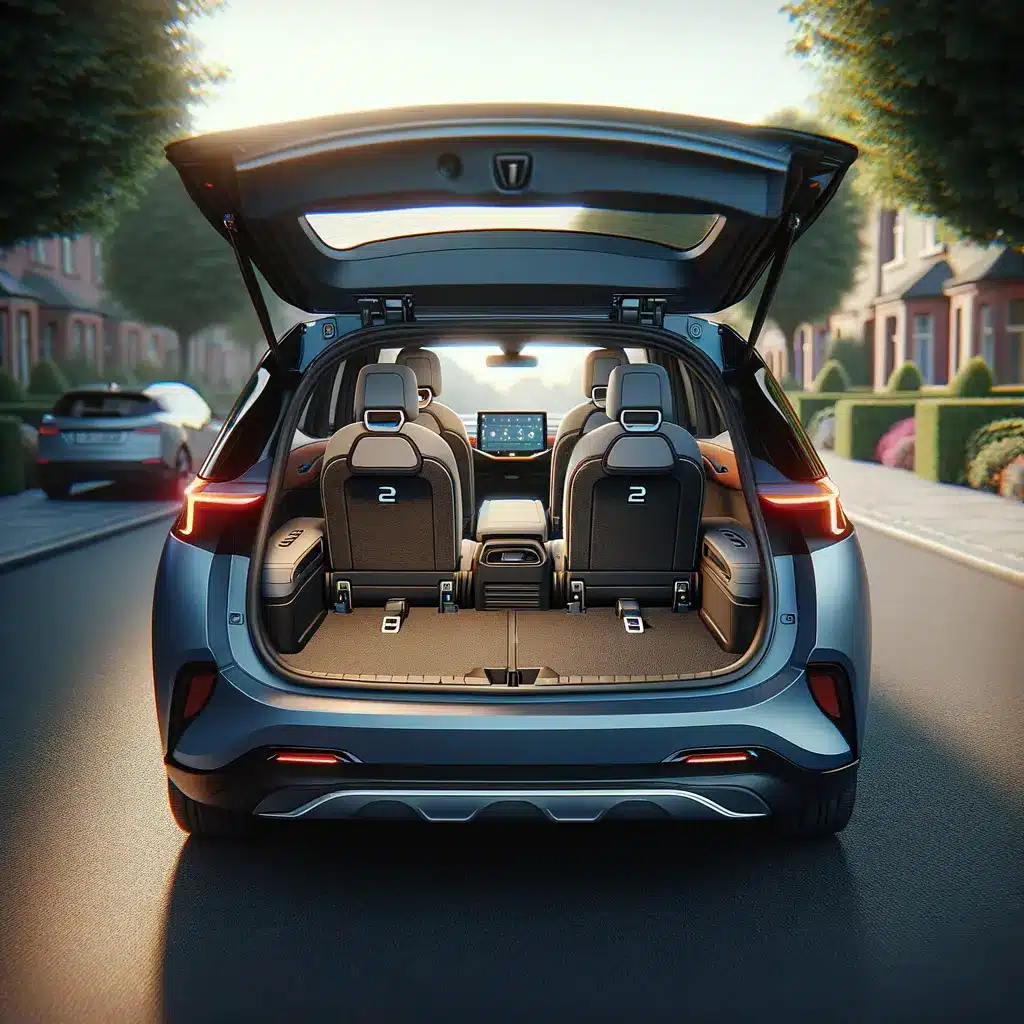
Hyundai hasn’t played it safe with styling. The IONIQ 9’s slab-sided rear end, pixel LED headlights and 21-inch aero wheels split opinion at first glance, yet every panel has been shaped with practicality in mind. Measuring almost 5.1 m long and 1.98 m wide, the electric 7-seat SUV provides real-world space that beats many combustion rivals. Crucially, the square tailgate translates into a 338-litre boot even with all seven seats in place – enough for two medium suitcases and a pushchair. Fold the third row at the touch of a button and capacity swells to 980 litres, while a handy 52-litre front trunk keeps muddy charging cables away from luggage. Hyundai even offers a six-seat “captain’s chair” layout in Calligraphy trim for buyers who prefer business-class comfort in the second row. Exterior touches such as flush door handles, acoustic side glass and standard privacy tint improve aerodynamics and refinement, contributing to an official drag coefficient of 0.29. Optional metallic and matte paint finishes add showroom appeal, but the design’s real genius is how easily it swallows people and gear. If you need inspiration for roof boxes, tow-bar bike racks or other adventure accessories, check our previous guide to electric-SUV practicality hacks.
IONIQ 9 Interior & Tech: Lounge Comfort Meets Cutting-Edge Screens
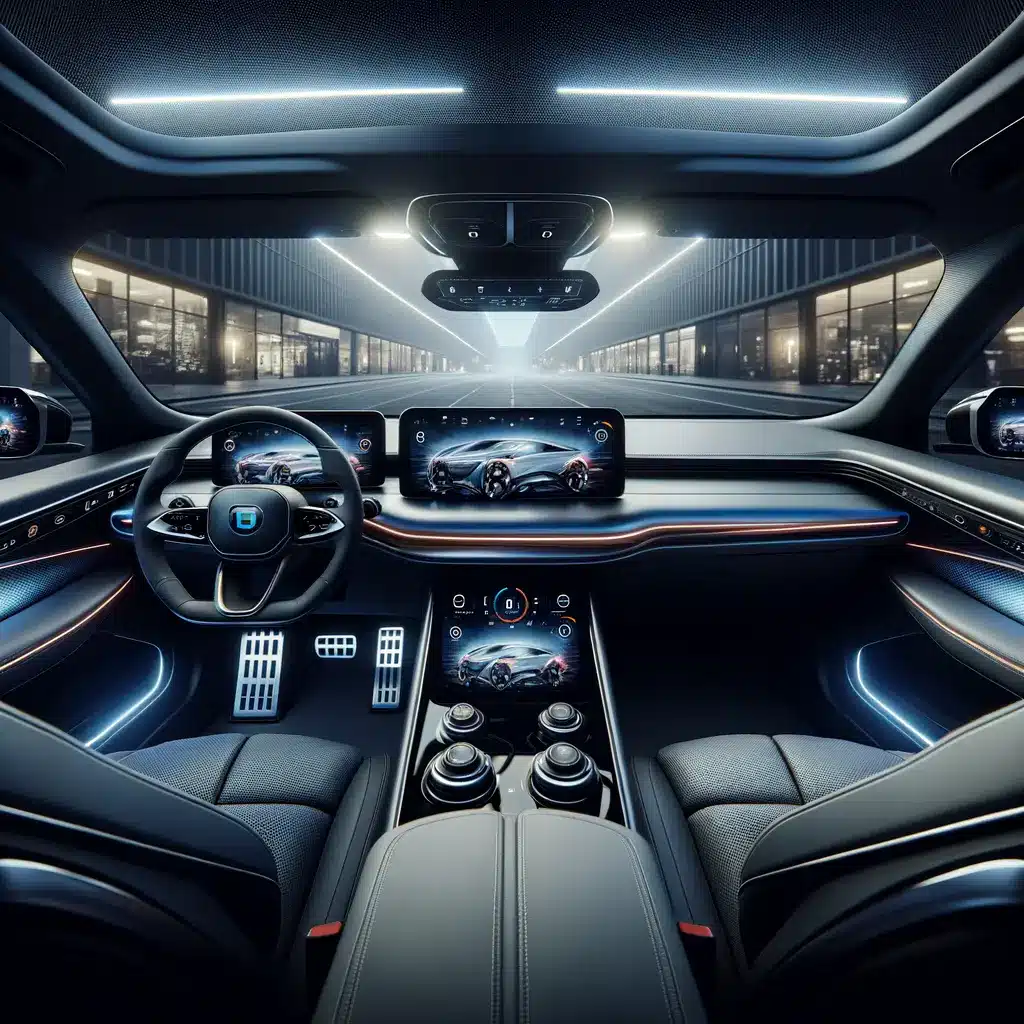
Step inside and the Hyundai IONIQ 9 interior feels closer to a premium lounge than a traditional SUV. Soft-touch dash materials, ambient lighting strips and recycled PET fabrics set a sustainable yet upmarket tone. A pair of 12.3-inch panoramic displays handle infotainment and driver information, offering crisp graphics, responsive touch menus and built-in Google Maps integration. Physical shortcut keys and rotary climate dials remain, ensuring essentials like temperature and volume can be adjusted without menu-diving – a welcome contrast to some rival Hyundai electric SUV models. Front occupants enjoy multi-way power seats with extendable leg rests, side-bolster adjustment and memory functions, while second-row passengers gain independent sliding, reclining and heating controls. USB-C ports in every row, a 15-watt wireless phone pad and a thunderous 14-speaker Bose audio package keep the whole family entertained. Visibility is boosted by a digital rear-mirror that switches to a camera feed when luggage or tall passengers block the view. Hyundai’s head-up display also mirrors Apple CarPlay or Android Auto navigation arrows directly onto the windscreen, reducing eye strain on long trips. Video review embedded below demonstrates the cabin layout in action.
On-Road Performance: Effortless Pace, Surprisingly Agile Handling
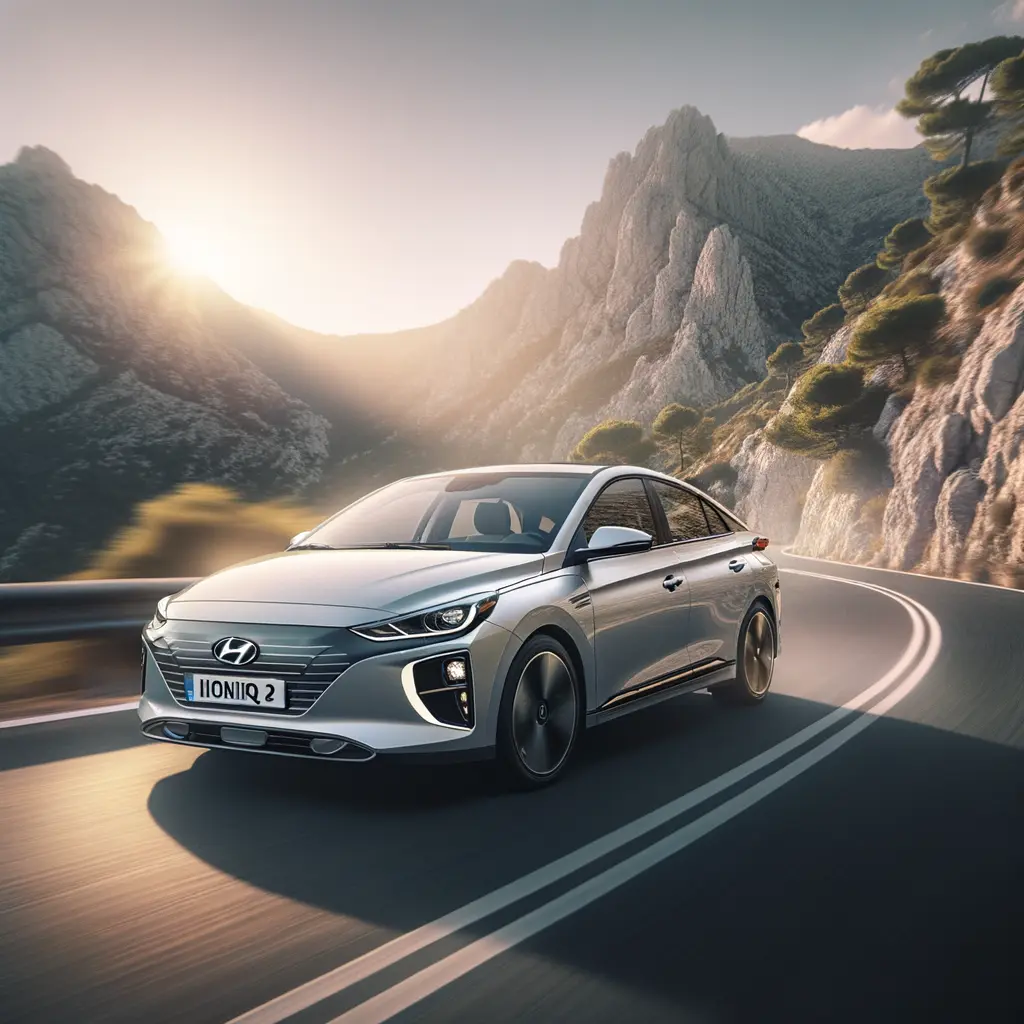
Despite tipping the scales at nearly 2.7 tonnes, the Hyundai IONIQ 9 delivers sports-saloon acceleration. Dual-motor all-wheel-drive versions pump out 427 PS and 700 Nm, launching the big SUV from 0-62 mph in 4.9 seconds – quicker than a Porsche Cayenne e-Hybrid. Instant electric torque makes overtakes drama-free, yet throttle calibration is progressive enough for smooth school-run manoeuvres. Body control is better than the sheer size suggests thanks to multi-link rear suspension and Frequency-Selective Dampers that iron out potholes without inducing sea-sickness. Three selectable drive modes (Eco, Normal, Sport) tweak steering weight, throttle response and the strength of the four-stage regenerative braking paddles. Snow, Mud and Sand terrain settings soften ESP intervention for mild off-road tasks, while a stout 2.5-tonne braked towing limit means caravans and horseboxes are firmly on the menu – something few electric 7-seat SUVs can claim. Cabin noise remains low even at 70 mph, helped by acoustic glazing and underbody aero panels. For highway cruising, Hyundai’s Highway Driving Assist 2 combines adaptive cruise, lane-centering and automated lane changes, reducing fatigue on family holidays. If you want a more dynamic comparison, read our Kia EV9 vs Hyundai IONIQ 9 handling shoot-out post.
Battery, Charging & Real-World Efficiency: What We Learned
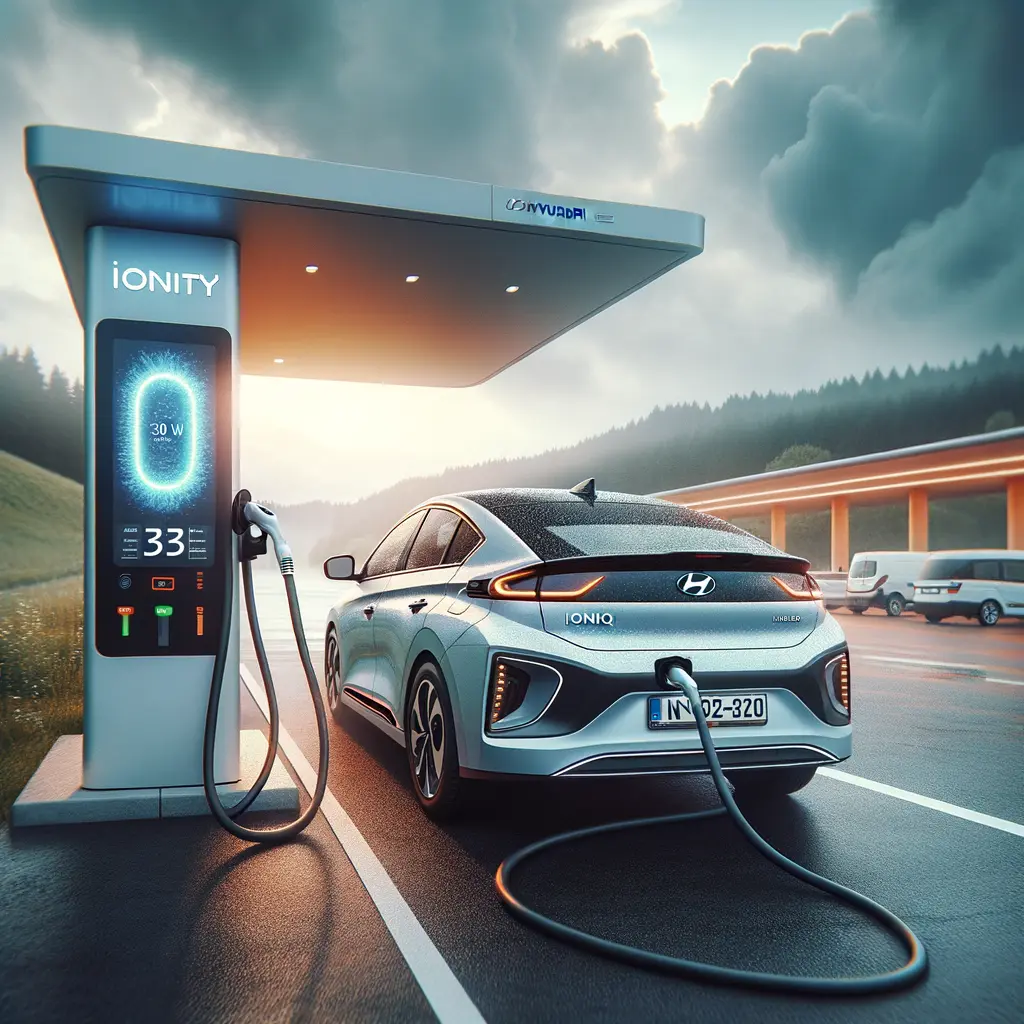
Under the flat floor sits a colossal 110 kWh (gross) lithium-ion pack – one of the largest fitted to any production Hyundai electric SUV. Officially, the WLTP figure is 372 miles, but our mixed-driving test returned an average of 2.7 mi/kWh, equating to an achievable 250-280 miles between charges. Urban commuters will see more, while winter motorway slogs may dip lower. The upside is charging speed: the 800-volt architecture accepts up to 350 kW, allowing a 10–80 percent top-up in just 24 minutes on an ultra-rapid DC pillar. That’s fast enough for a coffee and comfort break, restoring roughly 210 miles of range. On a standard 11 kW home wallbox the Hyundai IONIQ 9 needs around 11 hours for a full replenish, perfect for cheap overnight tariffs. Vehicle-to-Load (V2L) sockets inside and outside the car deliver 3.6 kW, powering camping equipment, e-bikes or even your home office during a blackout. To optimise running costs, pair the SUV with an agile rate such as Octopus Go; we have a detailed guide on the best EV energy tariffs. If outright efficiency is paramount, consider the upcoming rear-wheel-drive variant, which sheds 140 kg and promises a longer IONIQ 9 range on the same battery.
Verdict: Should You Buy or Lease the Hyundai IONIQ 9?
After a week and more than 500 miles behind the wheel, we can say the Hyundai IONIQ 9 lives up to its promise of delivering genuine seven-seat, long-distance ability with zero exhaust emissions. Yes, its blocky styling divides opinion and real-world efficiency lags behind the headline figure, but the positives outweigh those niggles. You get limousine-level cabin comfort, sports-car thrust, class-leading 800-volt charging and a transferable five-year, unlimited-mileage warranty (plus eight years on the battery). Families who regularly fill all three rows will appreciate the adult-friendly third-row headroom and the capacious boot, while adventure seekers can tow 2.5 tonnes or power campsite gadgets via V2L. If the purchase price feels steep, competitive lease deals often undercut similarly specified diesel SUVs – check our latest Hyundai IONIQ 9 finance offers or compare against our Hyundai IONIQ 5 and Tesla Model Y Long Range leasing guides. In short, the Hyundai IONIQ 9 proves that going electric no longer means compromising on space, speed or convenience. For buyers hunting a future-proof, electric 7-seat SUV that will keep pace with family life for the next decade, the Hyundai IONIQ 9 should be on the very top of the test-drive list.