Introduction: Why Travel Trends 2026 Matter Now
Travel has always been shaped by changing technologies, shifting consumer priorities, and the world’s social pulse—but the pace of change we are seeing leading up to travel trends 2026 is unprecedented. Smart algorithms can now suggest entire itineraries in seconds, wellness-conscious explorers are fleeing crowded cities for forest bathing retreats, and even our pets are getting bespoke boarding passes. If you’re a frequent flyer, a weekend road-trip lover, or a tourism professional, understanding these global travel trends is essential to staying ahead. In this article we unpack the most important developments forecast for 2026, backed by data from the booming US$500 billion pet industry and the explosion of AI-driven trip planners. You’ll discover how hyper-personalized travel experiences are replacing one-size-fits-all packages, why remote heritage villages are suddenly on every influencer’s radar, and what shorter, more frequent getaways mean for your annual leave strategy. Along the way we’ll point you toward practical resources—check our guide on sustainable packing and our deep dive into the best travel apps for slow travelers—to help you act on each insight. Buckle up as we embark on a detailed tour of travel trends 2026 that will redefine how you explore the planet.
AI-Driven Personalization: The New Default for Global Travel
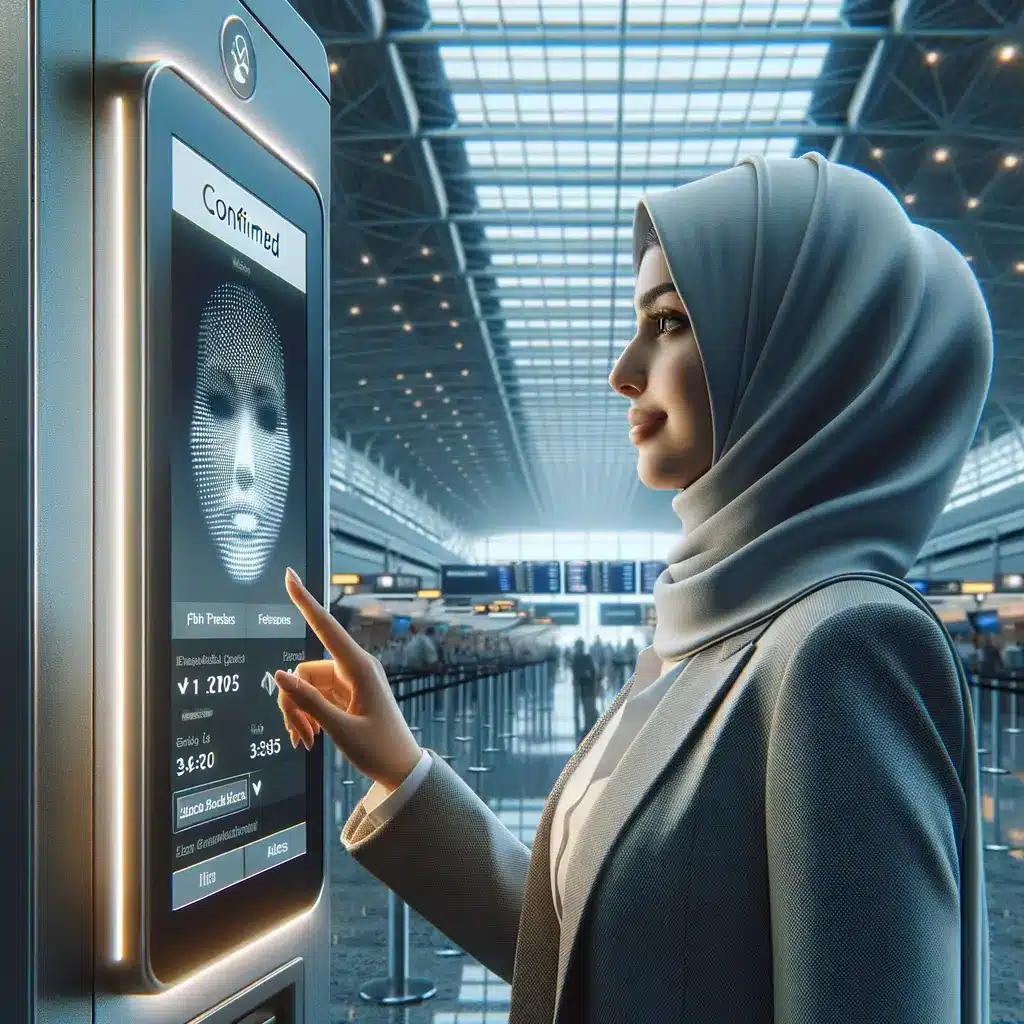
The biggest catalyst behind travel trends 2026 is artificial intelligence. Imagine landing in Tokyo and having your phone automatically check you into a smart hotel room pre-programmed with your ideal circadian lighting, preferred pillow firmness, and a playlist that mirrors local jazz clubs. That level of personalization is no longer science fiction. Advanced large-language models are acting as on-demand travel agents, synthesizing millions of reviews, price points, and real-time events to craft trips that feel hand-stitched to each guest. Global travel trends data already shows a 48 % surge in searches for “AI itinerary builder.” Airlines are responding with biometric boarding, while airports like Singapore’s Changi are testing facial-recognition-only security lanes to cut wait times.
Travellers benefit in two key ways. First, AI slashes planning friction, allowing spontaneous micro-escapes—a hallmark of travel trends 2026—to become mainstream. Second, machine learning curates experiences that align with personal values, whether that’s zero-waste hotels or esports-themed city tours. For operators, the takeaway is clear: integrate dynamic pricing engines, chatbots, and recommendation systems now, or risk irrelevance. Want to future-proof your own trips? Explore our comparison of the top AI travel apps after reading this section. Personalized travel experiences are moving from luxury perk to basic expectation—and they sit at the very heart of the future of travel.

Wellness, Nature & Short Getaways: Redefining Relaxation
Another pillar of travel trends 2026 is the growing demand for restorative experiences close to nature. Post-pandemic fatigue has travelers prioritizing mental health over marathon sightseeing. Weekend forest-bathing retreats, seaweed foraging along rugged coastlines, and sound-therapy sessions inside eco-domes are becoming mainstream Google searches. According to Booking.com, wellness-centric stays are up 32 % year-on-year, while domestic trips of three to four days now outnumber traditional two-week vacations. The logic is simple: shorter, more frequent escapes deliver a dopamine hit without derailing work commitments.
Expect resorts to adopt biophilic design—think living moss walls and open-air yoga decks—to meet this shift. Airlines are experimenting with “micro-fare” bundles that include carbon offsets and spa vouchers, blurring the line between transport and therapy. If you’re charting your own course through the future of travel, allocate budget for nature-immersive accommodations and local guides skilled in wellness practices. And don’t miss our article on top national parks for digital detoxing, a perfect internal link to deepen your research. Travel trends 2026 call for itineraries that balance adrenaline with tranquillity, proving relaxation can be as curated as any cultural tour.
Offbeat & Heritage Hotspots: Escaping the Crowds in 2026
As overtourism strains iconic cities, one in three travelers plans to dodge crowds by choosing heritage-rich but lesser-known locales—a defining facet of travel trends 2026. From Albania’s stone-roofed village of Berat to Colombia’s coffee highlands, authenticity is the new luxury. Social platforms now elevate artisan markets over selfie-backdrops, rewarding destinations that preserve cultural identity. UNESCO data notes a 27 % spike in applications for intangible heritage status as towns leverage tradition to attract mindful visitors.
Tour operators are responding with immersive language workshops, farm-to-table cooking classes, and homestays in centuries-old properties retrofitted with modern comforts. The intersection of remote work and slow travel further fuels this trend, enabling month-long stays where guests can actually contribute to local economies. To align your itinerary, swap generic city passes for locally guided heritage walks and plan travel during shoulder seasons. Our post on sustainable city alternatives can help you map out options. By 2026, global travel trends will favor storytellers over checklist tourists, granting experiential bragging rights to those who dare venture beyond the obvious.

Pets, Families & Compatibility Trips: The Human Side of Future Travel
Forget leaving Fido behind—pet friendly travel is set to explode, driven by a pet industry expected to hit US$500 billion by 2030. Airlines like Alaska and hotels such as Kimpton already roll out AI-powered booking filters that match pet size with cabin or room specs. Travel trends 2026 also highlight multigenerational adventures and even astrology-themed getaways that test relationship compatibility under starry skies. These dynamics prioritize emotional connection over mere sightseeing, dovetailing with the rise of personalized travel experiences.
Expect to see smart collars transmitting biometrics to hotel apps, dog-menu room service, and family villas designed with inter-connecting suites so grandparents can nap while teens stream e-sports tournaments. Group travelers will increasingly book entire properties through platforms like Plum Guide, ensuring both privacy and communal space. Planning a reunion? Check our article on booking vacation rentals like a pro. From heritage cruises that allow pets on deck to silent meditation treks for families, the future of travel is inclusive, holistic, and deeply personal—further cementing the relevance of travel trends 2026 for every demographic.

Conclusion: Preparing Today for the Travel Trends 2026 Wave
We’ve journeyed through the six most influential travel trends 2026—AI-driven personalization, wellness escapes, short getaways, offbeat heritage routes, pet friendly travel, and compatibility-focused adventures. Each reflects a deeper consumer desire for authenticity, efficiency, and emotional resonance. To thrive in the future of travel, start experimenting now: install an AI itinerary builder, schedule a domestic micro-break that blends nature and wellness, or earmark an under-the-radar heritage town for your next vacation. If you manage a travel brand, audit your digital touchpoints to ensure personalized travel experiences are front and center. Integrate pet-centric amenities, promote carbon-smart transport options, and highlight off-peak itineraries in your marketing.
Remember, the core human needs behind exploration remain constant, but the ways travelers discover, book, and share journeys evolve with every news cycle and tech breakthrough. By internalizing these global travel trends today, you’ll be well positioned to create unforgettable journeys—whether for yourself, your loved ones, or your clients—when 2026 finally arrives.