
CES 2026 Overview: Why This Year Redefined the Robotic Vacuum
If you thought the robotic vacuum market had reached cruise control, CES 2026 proved otherwise. This year’s show floor in Las Vegas was brimming with prototypes and near-launch models that push home cleaning automation far beyond incremental updates. From record-breaking suction ratings to genuinely useful AI, nearly every booth showcased a leap forward, not a baby step. The overarching theme? Feature parity. Whether you prefer spinning pads, roller mops, or vibrating plates, every major brand now offers all three. That means consumers can finally focus on reliability, price, and real-world performance rather than settling for compromises. Still, a handful of headline-grabbing announcements stole the spotlight—most notably the stair-climbing Saros Rover from Roborock, Dream’s modular Cyber X carrier, and a host of advanced obstacle-avoidance systems designed to keep toys, cables, and pet bowls safe. In this roundup, we break down the must-know details so you can decide which robotic vacuum breakthroughs matter and which are marketing smoke. Along the way, we’ll highlight internal resources—check out our deep dive on robot vacuum maintenance and our primer on smart home ecosystems—for readers who want to dig even deeper. Buckle up: the robotic vacuum revolution is officially shifting into high gear.
Stair-Climbing Robots: Saros Rover, Cyber X & the Rise of Multi-Level Cleaning
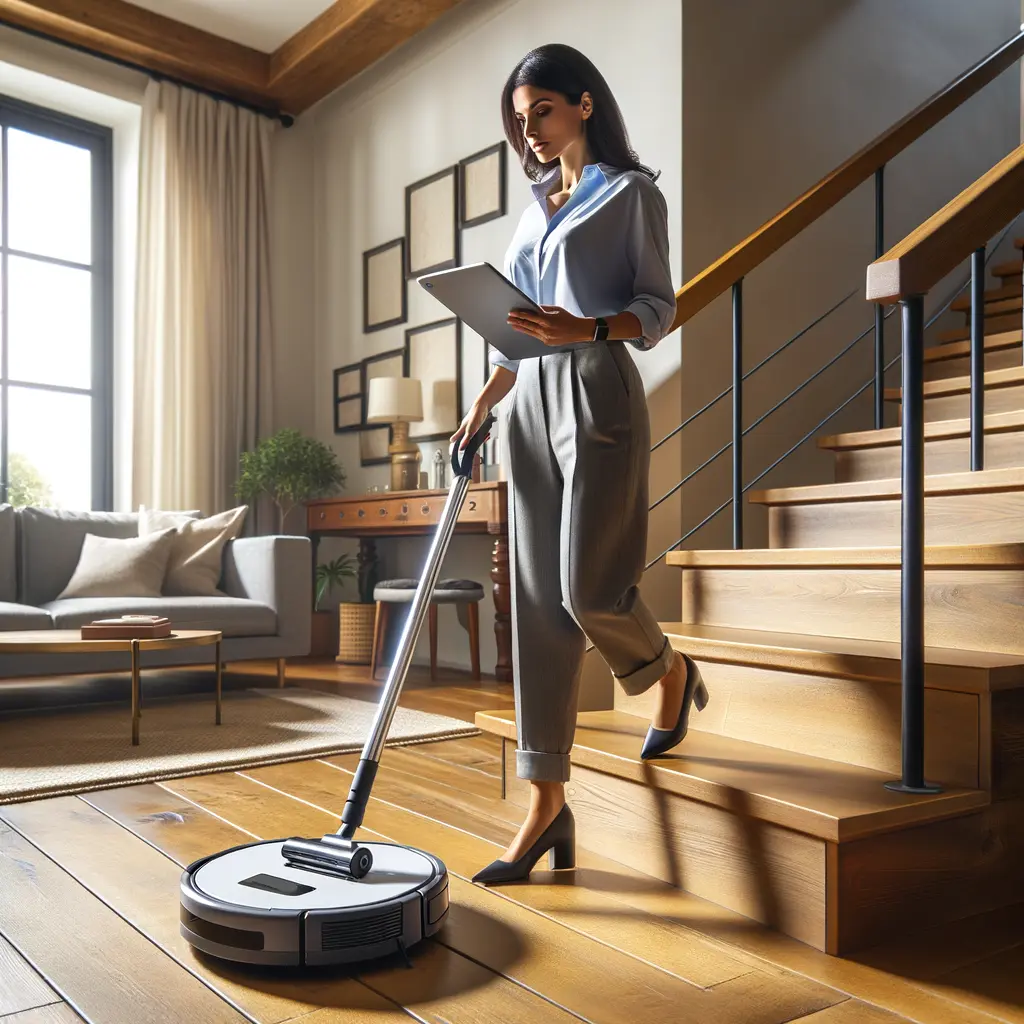
For years, homeowners in multi-story houses had to purchase separate cleaners or lug one robotic vacuum upstairs manually. CES 2026 ended that headache. Roborock’s Saros Rover grabbed headlines with its gyroscopic two-wheel design that balances like a Segway and literally vacuums each stair tread while gripping the previous one. The engineering demo was flawless, hinting that its promised 2026 release may actually happen. Meanwhile, Dream took a different tack with the Cyber X—a motorized carrier that ferries the X60 Ultra between floors. By decoupling transport from cleaning, Dream can reuse its flagship vacuum while adding mobility only where it’s needed. Mova’s Zeus 60 scissor-lift concept aims for the budget crowd, though its effectiveness will depend on tread depth. And yes, there was even a drone carrier prototype, but heavy water tanks and ear-splitting noise make that idea DOA.
Where does pricing land? Roborock is mum, Dream hints the Cyber X will have to stay below the cost of buying a second unit, and Mova’s silence suggests a more wallet-friendly tag. Regardless, 2026 may finally be the year the “stair climbing robot vacuum” becomes mainstream. Keep an eye on our upcoming comparison of smart stair-safe bots for performance testing across wood, carpet, and tile steps.

Robotic Arms & Modular Docks: Expanding What a Robotic Vacuum Can Do
Last year’s Roborock S70 introduced the first production-grade robotic arm, and brands wasted no time upping the ante. Dream’s new Cyber 10 Ultra flaunts a multi-tool dock that swaps between a scrubbing brush, corner nozzle, and standard vacuum head. Spec nerds will love its 30,000 Pa suction and dual spinning pads, but the real magic is the arm’s ability to pick up pet bowls or declutter a charging strip before cleaning. Roborock answered with refinements: the Soros 20 Sonic brings mop extension plates that reach right into corners while hitting 35,000 Pa.
Under the hood, these arms rely on synchronous motors similar to those used in camera gimbals, giving them sub-millimeter precision. That means fewer accidental knocks on chair legs and better repeatability for tasks like delivering a scrubber to a stubborn grout line. Release dates range from August 2026 for Dream to “sometime” for Roborock, and early pricing hovers around the $2,000 mark—steep, but comparable to last year’s flagship stick vacuums with auto-empty docks. Expect these modular systems to trickle down to midtier models by 2027. If you want to see them in action, watch the embedded video below for live demos straight from the CES floor.
The Mop Wars: Roller vs. Spinning Pads vs. Vibrating Plates
Mopping is no longer an afterthought; it’s the reason many shoppers upgrade. CES 2026 saw every major brand—Roborock, Narwal, Dream, and Mova—offer all three mop formats. Roller mops caught the spotlight thanks to Dream’s Aqua 10 Ultra, which now adds optional steam while retaining its auto-seal roller guard that protects carpet regardless of pile height. Narwal’s Flow 2 refines last year’s track mop with 30,000 Pa suction and automatic detergent dosing that finally kills the dreaded dirty-tank odor.
Spinning pads, however, aren’t conceding. Mova’s V70 Ultra hits 32,000 Pa and uses boiling-water pad washing for true sanitation. Meanwhile, Roborock’s Soros 20 Sonic pushes pad vibration RPMs higher and introduces mop extension wings to scrub deep into corners—an Achilles heel for round robots. Vibrating plates remain niche but effective on textured tile; look for Eovacs to integrate a plate under its elongated roller in the X12.
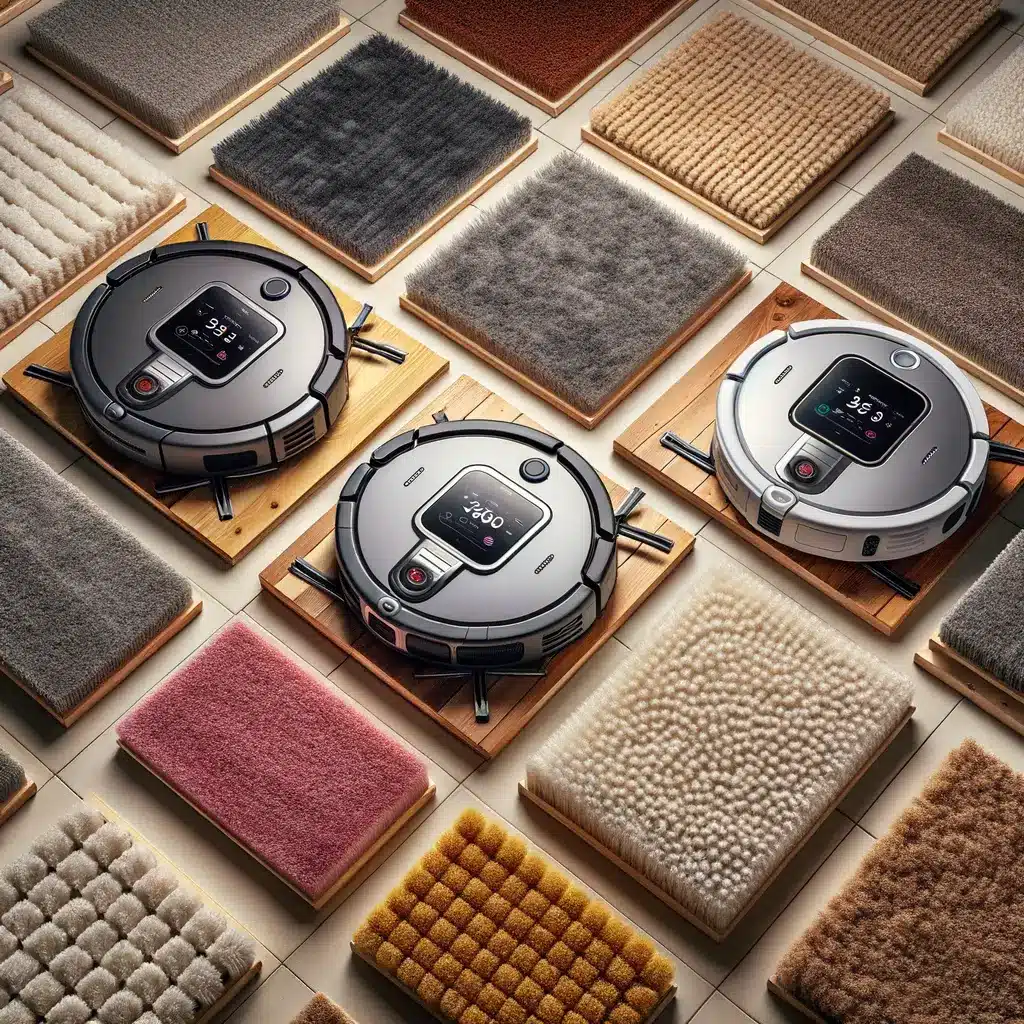
Choosing the “best robot vacuum 2026” mop depends on flooring mix. Rollers excel on wide planks, spinning pads handle grout, and plates offer finesse on stubborn dried stains. For a detailed matrix of mop type pros and cons, see our guide to choosing the right mop module for your home.
AI Vision & Obstacle Avoidance: From Reactive to Proactive Cleaning
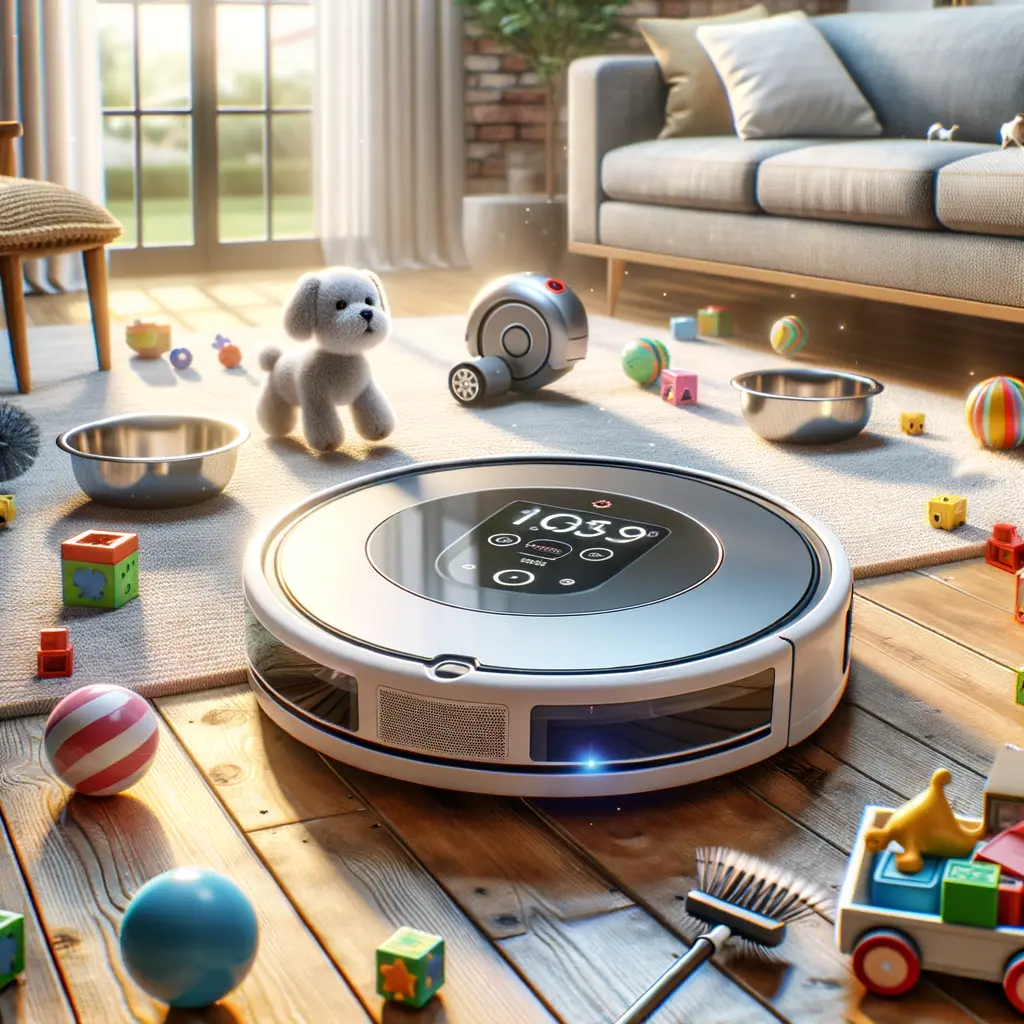
Arguably the most practical breakthrough at CES 2026 was AI. Dream’s X60 Max Ultra Complete debuted Proactive AI Vision, a system that tracks an object’s trajectory over time instead of analyzing single frames in isolation. That means the robotic vacuum can predict where a dog toy will roll and avoid it without a panic stop. Roborock and Eovacs countered with upgraded LiDAR-camera hybrids that label objects in the app so you can set custom cleaning rules—think “skip the charging cable” or “boost suction on kitchen mat.” Eovacs even added Focus Jet Spray: an infrared camera detects dried stains, fires a detergent-infused jet, waits for a soak period, then returns to finish the job.
Why does this matter? Real homes are dynamic. Kids drop cereal, pets drag beds across the floor, and parcels arrive mid-clean. Proactive systems cut the false positives that abort a cleaning run and reduce the frustration of babysitting your smart helper. Early tests show a 30% decrease in interrupted cycles compared to last year’s reactive models. For readers interested in broader smart-home AI, we recommend our article on predictive maintenance for connected appliances.
Should You Wait or Buy Now? A 2026 Robotic Vacuum Roadmap
With so many announcements, it’s tempting to delay any purchase until every innovation ships. Yet there’s solid value on shelves today. Dream’s X60 Max Ultra ships in February, offering 35,000 Pa suction, retractable LiDAR for low couches, and 100 °C pad washing—features most households will appreciate immediately. If multi-level cleaning is essential, you may want to wait for the Saros Rover or Cyber X later in the year. Budget shoppers should keep an eye on Mova’s S70 Ultra Roller, slated for Q2, which promises flagship suction on an “entry-level” price tag.
Here’s a quick decision matrix:
• Single-story home, mixed flooring: Buy a current roller mop model like Aqua 10 Ultra or Narwal Flow 2.
• Multi-story with many short stair flights: Wait for a stair-climbing solution.
• Heavy pet traffic: Prioritize models with Proactive AI Vision and 30k+ Pa suction.
• Stubborn kitchen stains: Eovacs X12 Omnicyclone’s Focus Jet Spray is worth the wait.
Regardless of timing, purchase from brands that commit to software updates; AI models improve over time. And remember, a robotic vacuum is only part of a larger smart-home ecosystem—pairing it with voice assistants and automated air purifiers can raise overall home comfort. We’ll update our best robotic vacuum 2026 leaderboard as each unit ships, so stay tuned.