
CES 2026 Gadgets Preview: What We Saw on Unveiled Night
Nothing sets the tone for the Las Vegas tech show quite like CES Unveiled, the press-only sneak peek that kicks off a packed week of innovation. This year’s room buzzed with AI-infused hardware, sustainability pitches and plenty of crowd-pleasing demos. Armed with only an iPhone and backpack, we combed every table to curate the most intriguing CES 2026 gadgets you need on your radar. From outdoor AI cameras that ditch subscription fees to modular PCs that pop out of a graphics dock like Lego bricks, the evening proved that experimentation is alive and well in consumer electronics. In this first dispatch we’ll deep-dive into the CES Unveiled highlights, explain why each product matters, and share hands-on impressions that go beyond the press release. Expect practical details—price targets, ship dates, use cases—and candid commentary rooted in over a decade of CES coverage. If you’re planning your own show-floor route, bookmark these best gadgets CES watchers won’t want to miss. And if you simply crave fresh new tech products 2026 promises, stay tuned: you’ll walk away knowing exactly which booths deserve a follow-up visit once the main halls open.
Smart-Home Standouts: AI Security, Robot Yardwork & Lightning-Fast NAS
Smart-home categories dominated the early buzz, and UG Green’s new ecosystem led the charge. The company famous for affordable NAS boxes is pivoting to a full security suite: a hefty outdoor PTZ cam, a dual-lens doorbell with package view, indoor cubes and an Alexa-style smart display. Crucially, footage stores locally on UG Green’s AI NAS—no monthly fees—a selling point that will resonate with privacy-minded homeowners hunting for CES 2026 gadgets that cut long-term costs. Shipping is slated for September; prices remain under wraps but should undercut cloud-tethered rivals.
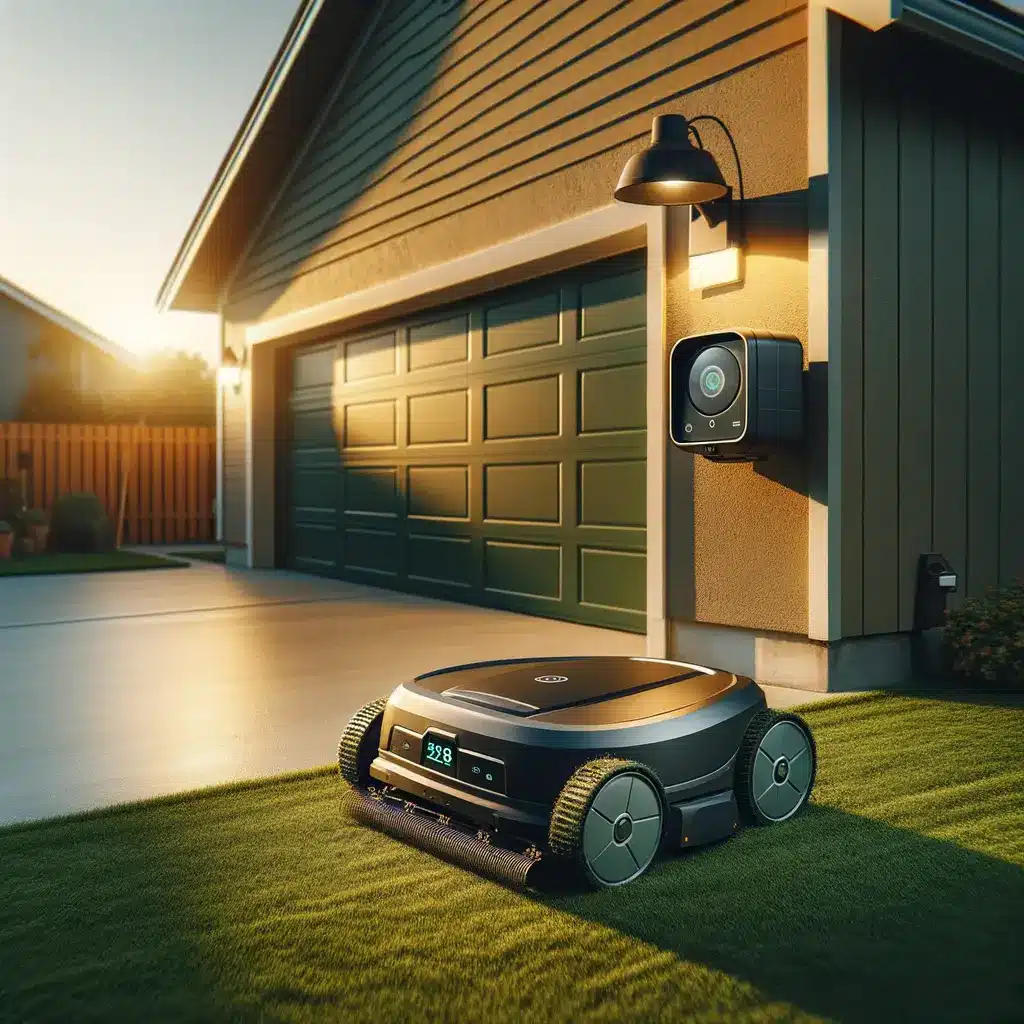
Outside, Yarbo’s M-Series autonomous yard robot stole its share of headlines. Starting around $3,000, the modular bot mows, vacuums leaves, and even plows snow via swappable attachments. Dual cameras, RTK GPS and an improved drivetrain mean your lawn or driveway can stay spotless while you binge other CES Unveiled highlights.
Pair these with the upgraded UG Green NAS and you have a genuinely integrated, AI-driven home maintenance stack. It’s a glimpse of how new tech products 2026 will blend indoors and outdoors without locking owners into never-ending subscriptions. For more on storage, see our past review of Synology’s AI-powered DS series, which foreshadowed this trend.
Lifestyle Tech Gets Playful: Modular PCs, Instant Ice & Guitar-Free Jamming
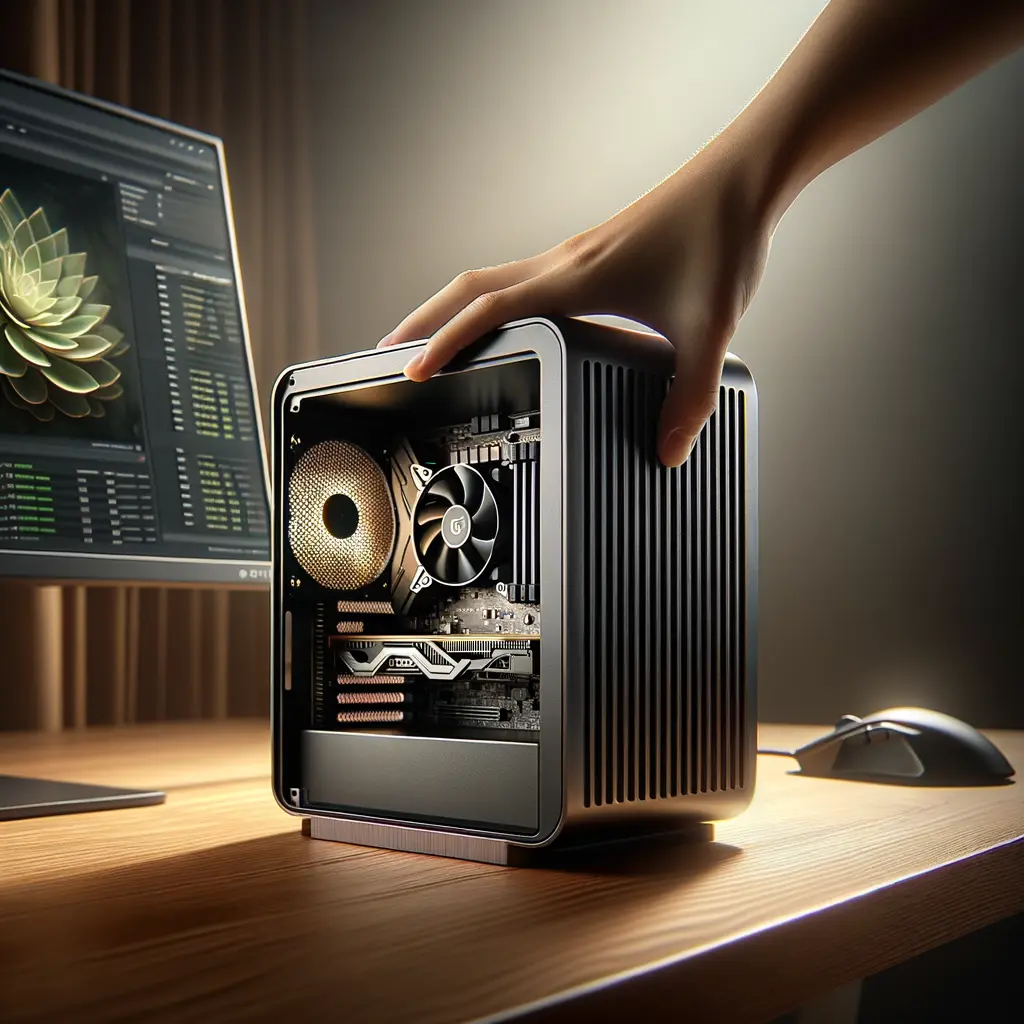
Not every CES 2026 gadget solves a practical problem—some exist purely for fun. Cotiss’ modular mini-PC proved you can have both. The palm-sized Intel Core Ultra computer snaps into specialized docks: one houses an RTX-class GPU for after-hours gaming, another converts the brain into a 14-inch laptop shell. Starting at $899 for the base unit and roughly $1,100 for the graphics dock, it redefines portability without sacrificing horsepower.
Just a few tables away, the Libra Live Gen 2 invited attendees to strum along with pre-programmed rhythms. Think Guitar Hero meets meditation session; it records loops, displays notes and lets non-musicians noodle stress-free. Pricing is TBD, but the first-gen model sells for $399.
Need refreshments? Uomi’s Ice Leopard portable ice maker cranks out bullet cubes in five minutes and runs off standard AC—a tailgate or rooftop-party dream at $149. The trio underscore why best gadgets CES coverage must include joy-sparking inventions alongside utilitarian gear.
(You can watch all three demos in action right after this paragraph—the embedded video begins at the 3:12 mark.)
Pro-Grade Power: Smart Battery Chargers & Industrial Thermal Vision
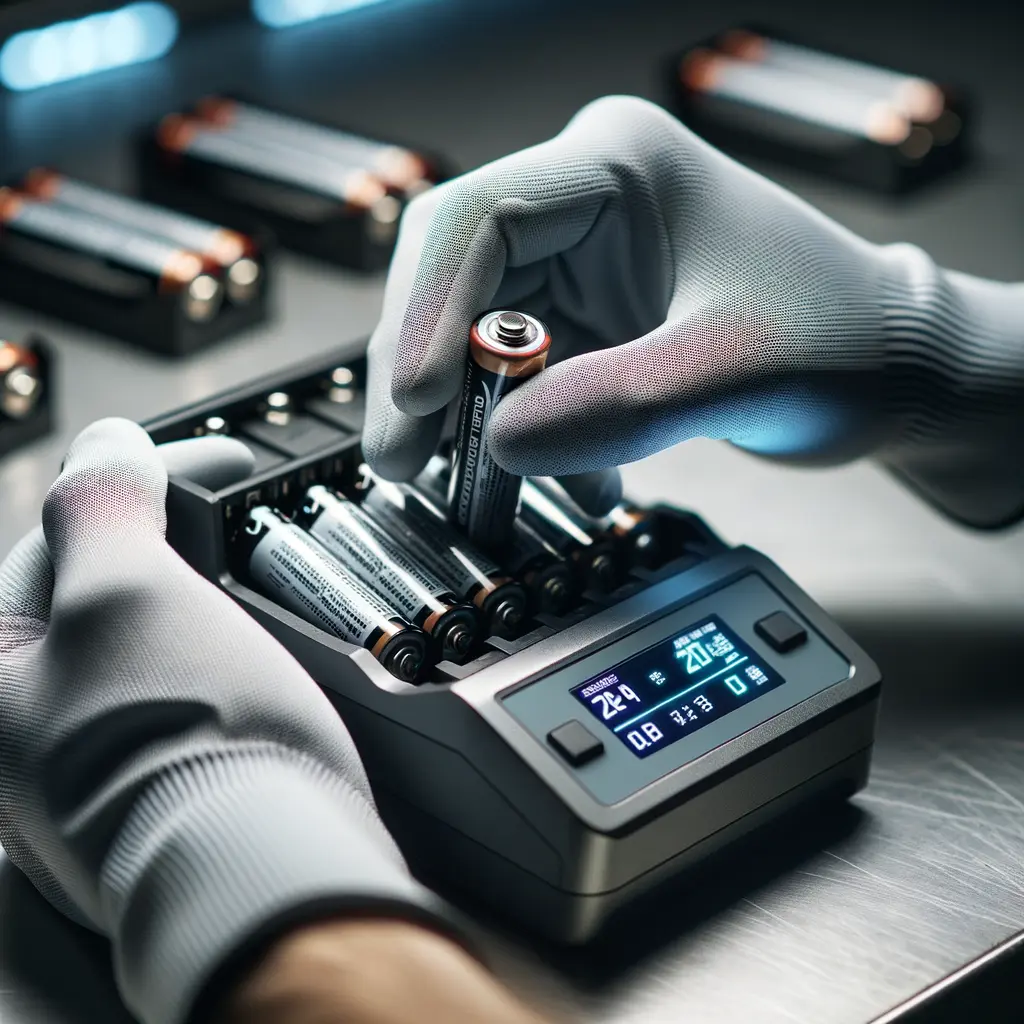
While consumer media chases flashy robots, field technicians flocked to Otation’s second-gen OS-Station chargers. Drop four AA or AAA NiMH cells into the vertical slot—polarity doesn’t matter—and the unit auto-aligns, fast-charges and pops finished cells into a catch bin. The $99 base model suits hobbyists, whereas the $139 Pro adds an OLED screen that supports Otation’s 1.5-volt Li-ion packs and flashlight family. For photographers, gamers and DIY smart-home installers, never guessing battery status again is priceless.
Industrial crews will appreciate FLIR’s i64, a $4,000 Android-powered thermal camera platform. Beyond the signature heat map, it runs domain-specific apps—electrical inspection, HVAC analysis, even Microsoft Teams calls—helping on-site teams log, annotate and collaborate in real time. An onboard AI assistant suggests diagnostic steps, slashing troubleshooting hours. It’s a textbook example of CES Unveiled highlights that blur hardware and software into task-oriented platforms.
Together these CES 2026 gadgets illustrate a maturing trend: even niche tools are becoming connected ecosystems with app stores, AI coaching and cloud sync—yet they keep tactile reliability front and center.
Wearables Evolve: Pebble’s Revival and a Voice-Memo Ring
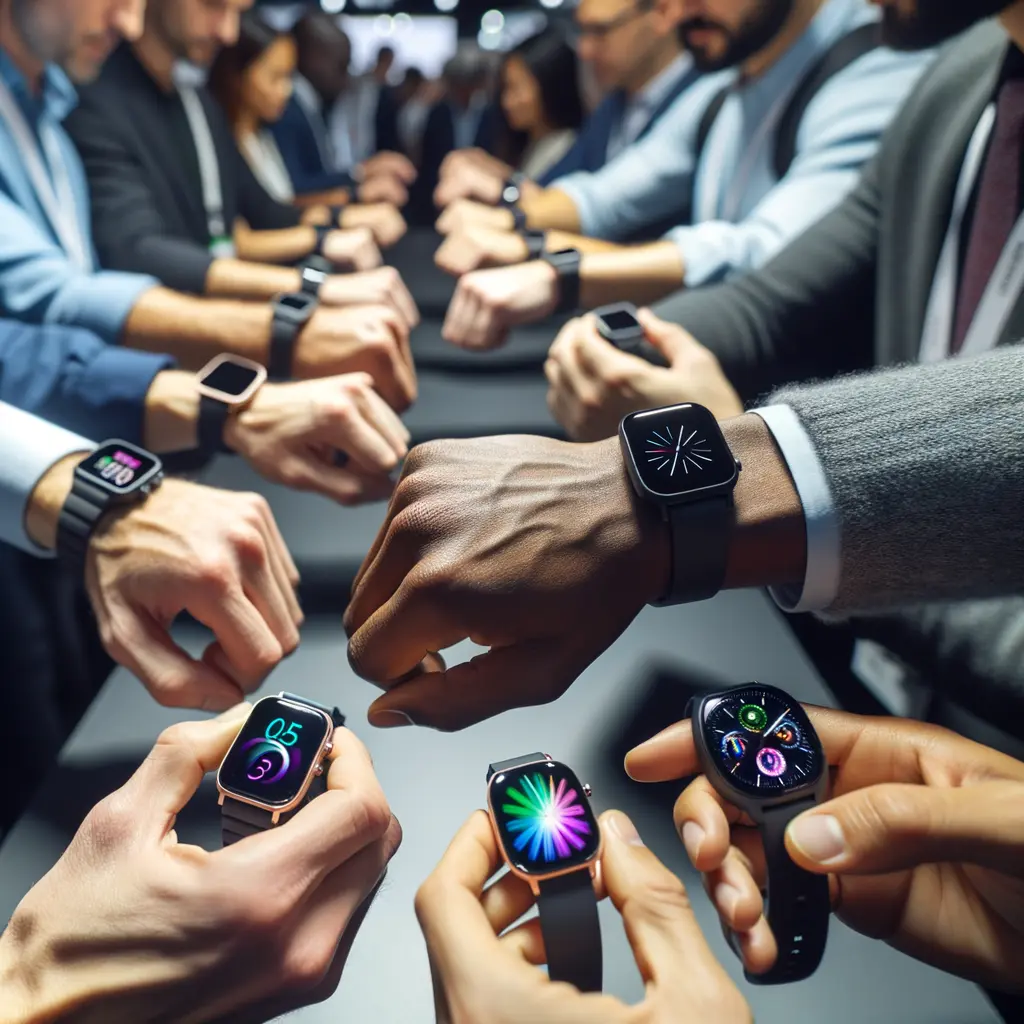
Few stories generated more nostalgia on the Las Vegas tech show floor than Pebble’s surprise comeback. Original founder Eric Migicovsky re-acquired the brand’s IP and relaunched with the Pebble Time 2 ($199) and Pebble Round 2 ($225). Both leverage a color e-paper display—refresh rates faster than e-ink yet sipping power—to deliver two-week battery life, granular notification control and a vibrant watch-face community. They skip sensor overload in favor of reliability, a refreshing stance amid spec-war smartwatches.
Pebble also teased a clever companion: a low-profile aluminum ring that acts as a one-button voice memo recorder. Tap once to capture an idea; the clip syncs instantly to the Pebble app for later transcription and task management. Unlike health-focused smart rings, this model targets productivity minimalists who hate fishing out phones during inspiration flashes.
With Apple doubling down on Vision Pro AR and Google leaning into Fitbit biomarkers, Pebble’s stripped-down approach offers a contrarian path in the best gadgets CES conversation. If you missed last year’s piece on minimalist wearables, circle back for context—Pebble is now the movement’s new flag-bearer.
Key Takeaways: Why These CES 2026 Gadgets Matter
From AI-driven yard robots to battery chargers that think for themselves, CES Unveiled 2026 proved that innovation is no longer siloed by product category. Security cameras demand NAS horsepower, thermal imagers double as Android tablets, and modular computers moonlight as laptops. The connective tissue is clear: every brand wants to own a self-contained ecosystem—and consumers want to avoid recurring fees, opaque data practices and single-use hardware.
For buyers, prioritize longevity. UG Green’s fee-free storage, Cotiss’ swappable docks and Pebble’s two-week runtime all nod toward sustainable ownership. Business users should weigh ROI: FLIR’s i64 may cost $4,000, but its guided workflow can shave hours off each site visit. Families seeking fun will gravitate to Libra Live or Ice Leopard, living proof that CES Unveiled highlights still delight as much as they solve problems.
This wraps Dispatch 1, but our coverage of CES 2026 gadgets is just warming up. Check back tomorrow for robot pets, foldable screens and a deep dive into the automotive hall. In the meantime, revisit our 2025 roundup to see how far the industry has leaped in twelve short months. See you on the show floor!