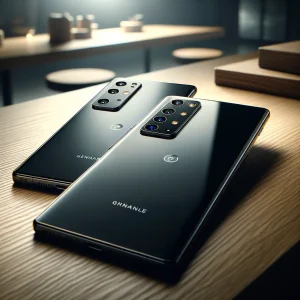
Samsung Galaxy Z Fold 8: A Game-Changing First Look
The Samsung Galaxy Z Fold 8 has finally stepped out of the rumor mill and into the spotlight, and the very first impressions are nothing short of dramatic. What grabs immediate attention is the near-invisible crease running down the center of the expansive OLED panel. For years, the foldable category has been defined as much by that tell-tale ridge as by the promise of pocket-sized productivity. Early hands-on footage suggests that Samsung may have broken through that barrier at last, giving the Galaxy Z Fold 8 a truly uninterrupted canvas.
Why does this matter? Creases scatter light, distort content and remind users that they are looking at a compromise. Removing it elevates everything from movie streaming to spreadsheet work. More importantly, it reinforces the company’s leadership position just as rivals like Google, OnePlus and a rumored Apple foldable circle the space. Throughout this article we will look at how Samsung achieved the engineering feat, what it means for weight and battery capacity, and how the Samsung Galaxy Z Fold 8 is positioned on price. We will also point you toward related deep dives such as our Galaxy Z Fold 7 durability test and the upcoming Galaxy S26 Ultra camera preview. Buckle up for an in-depth tour of Samsung’s next flagship foldable.
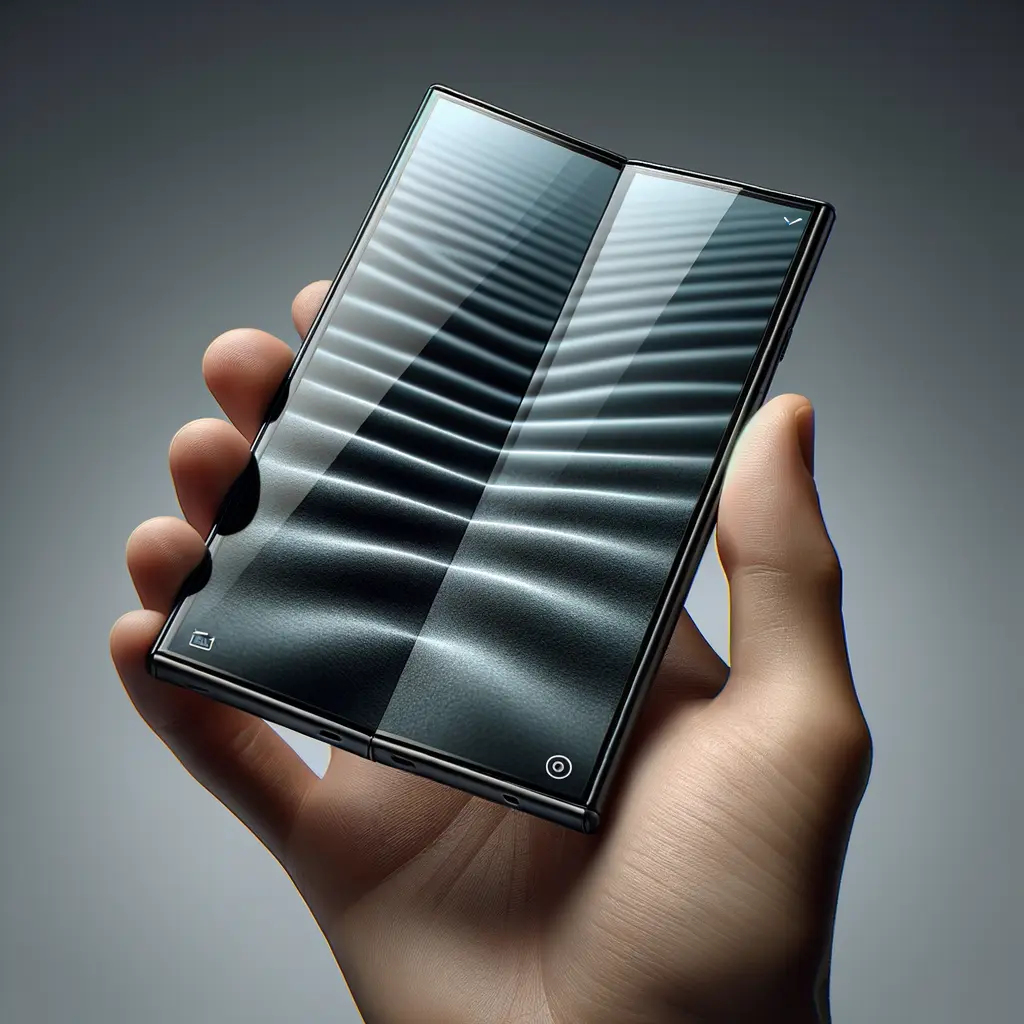
Advanced Creaseless OLED Display Technology Explained
Samsung calls the new panel an advanced creaseless display, but what actually changes under the hood? According to demonstrations at CES, the OLED layer now sits atop a laser-drilled metal substrate that distributes mechanical stress across a wider area. On previous models the hinge forced the screen to bend on a tight axis, creating a valley where organic material stretched again and again. Over time that produced a visible groove. By reshaping the underlying plate, engineers let the Samsung Galaxy Z Fold 8 curve in a gentler arc, virtually erasing the line. A faint ripple may still appear if you hunt for reflections at the perfect angle, yet in everyday use text and images glide across as if it were a conventional slab phone.
The implications extend beyond aesthetics. A smoother fold reduces micro-cracking and improves long-term reliability. It may also allow Samsung to push peak brightness higher because fewer compensation pixels are required. Importantly, Apple is rumored to be sourcing the same panel for its first-generation iPhone Fold, underlining the technology’s maturity. For owners of the Galaxy Z Fold 8, it means a genuinely tablet-class experience inside a pocketable chassis. If you are interested in display evolution, check our breakdown of Dynamic AMOLED 2X on the Galaxy S26 Ultra for comparison.

Design, Form Factor, and the New Wide Variant
Beyond the screen, Samsung is tackling usability from another angle: literal width. Leaks point to two models, the standard Samsung Galaxy Z Fold 8 and a new wide edition that shortens height while adding horizontal real estate. That shift mirrors the proportions expected from Apple’s forthcoming competitor and addresses long-standing complaints about narrow cover screens. A wider exterior panel means more comfortable typing, video playback without letterboxing, and a better fit for stylus interactions.
Early CAD renders show slimmer bezels, squared-off corners reminiscent of the Galaxy S series, and a refined Armor Aluminum hinge. Despite these tweaks, Samsung may cut overall mass to an astonishing 200 g. If true, the Galaxy Z Fold 8 would weigh less than the current-generation S24 Ultra, redefining portability for large foldables. To achieve this, engineers reportedly switched to a stronger yet lighter magnesium alloy mid-frame, redistributed batteries into dual cells, and reduced speaker cavity thickness without hurting volume.
This section is the perfect spot to embed the official first-look video from YouTube so readers can judge proportions for themselves. After watching, many will notice that the rear camera island borrows from the Z Fold 7’s minimalist stack, hinting at incremental sensor upgrades rather than a complete overhaul. For a refresher on Samsung’s camera philosophy, see our detailed Galaxy Z Fold 7 review.
Battery, Weight Reduction and Performance Expectations
A larger screen and a thinner frame usually spell compromise, yet rumors suggest the Samsung Galaxy Z Fold 8 pushes capacity to 5,000 mAh while trimming 15 g off the scale. The secret may be Samsung SDI’s new stacked battery cells, similar to what we saw in the Galaxy S24 Ultra. Stacked layering fits more electrodes into the same footprint, raising energy density without inflating thickness. Combined with Qualcomm’s next-gen Snapdragon 8 Gen 4 chip built on a 3-nanometer process, efficiency gains could deliver all-day endurance even under heavy multitasking.
Weight savings allegedly come from multiple fronts: a shift to magnesium alloy chassis, thinner ultra-thin glass, and consolidated antenna modules. Skeptics point out that the Z Fold 7 already pushed borderline limits, so slicing another 15 g feels aggressive. Until hardware teardowns confirm the claim, take it with a grain of salt. Still, even a modest drop paired with a bigger battery puts Samsung ahead of rivals; leaked specs say Apple’s iPhone 18 Pro Max could cross 240 g.
Performance-wise, expect at least 12 GB of LPDDR5X RAM, UFS 4.0 storage and Wi-Fi 7 connectivity. Samsung may also bundle a revised S Pen capable of lower latency on the crease-free inner canvas. For perspective on Samsung’s battery innovation, revisit our article on the Galaxy Z Flip 8’s 8-gram weight cut.

Pricing Strategy and Global Market Implications
Pricing can make or break any cutting-edge device, and Samsung appears intent on holding the line in the United States. Reports from Korean supply-chain insiders state that the Samsung Galaxy Z Fold 8 will again launch at roughly 1,900 USD, matching the previous generation. That stability may soften concerns about inflation, but there is nuance. The same sources warn that Samsung could scale back early-bird perks like double storage upgrades or substantial trade-in credits, effectively raising the real-world cost for many buyers.
Internationally, the picture is murkier. Currency fluctuations and rising component costs might push European and Asian MSRP numbers higher. Samsung could also stagger launch windows, giving its factories time to ramp production of the new creaseless display. If a wide variant materializes, expect a premium similar to the gap between the Galaxy S24 and S24 Ultra. Worth noting: Apple historically prices foldables, such as its upcoming model, at a notable premium, so Samsung may still undercut Cupertino while enjoying favorable margins.
For readers tracking value, bookmark our hub on Z Fold 8 release date updates and carrier promotions. We will compare Samsung’s offers with competing devices like Google Pixel Fold 2 and OnePlus Open 2, ensuring you know when the best deals surface.

Should You Wait for the Samsung Galaxy Z Fold 8?
With a virtually crease-free display, potential weight class victory and a larger 5,000 mAh battery, the Samsung Galaxy Z Fold 8 shapes up as the most polished foldable yet. If you own a Z Fold 6 or older, the upgrade leap looks substantial, especially for media consumption and stylus work. Z Fold 7 users will need to weigh the cleaner screen and lighter chassis against trade-in values that are typically highest in the first launch month.
Patience may pay off for shoppers outside the US, where pricing clarity is still in flux. Likewise, anyone curious about Apple’s approach could wait to compare build quality and software ecosystems head-to-head. Still, Samsung enjoys a multi-generation advantage in foldable durability, and early evidence points to a device that finally treats the inner display like a single, unbroken sheet of glass.
In summary, the Samsung Galaxy Z Fold 8 is more than an iterative refresh; it is a statement that foldables can stand toe-to-toe with slab flagships on comfort and performance. Stay tuned to our ongoing coverage for the confirmed Z Fold 8 release date, camera samples and long-term battery tests. Until then, keep exploring the future of mobile with articles such as our Galaxy S26 Ultra sensor preview and the crease-free foldable phone trend analysis.