
Inside NVIDIA CES 2026: A New Era Begins
NVIDIA CES 2026 opened with thunderous applause in Las Vegas, and it quickly became clear that this was more than a routine product update. Jensen Huang’s keynote framed the moment as an inflection point for accelerated computing, artificial intelligence, and—critically—the real-world deployment of both. In previous years, we’ve seen impressive demos, but NVIDIA CES 2026 delivered a cohesive story that tied every announcement back to tangible benefits for developers, enterprises, and everyday consumers.
The company positioned accelerated computing as the backbone of modern innovation, emphasizing that Moore’s law–style annual progress now applies to AI hardware. That message resonated because each showcase—from physical AI research to the Vera Rubin supercomputer—fed into a larger promise: AI will be faster, safer, and more energy-efficient year after year.
Key highlights previewed in the opening minutes included breakthroughs in physical AI, a fully reasoning NVIDIA autonomous vehicle platform called AlphaMio, and a six-chip data-center architecture designed to scale large-language models without network bottlenecks. Each reveal demonstrated NVIDIA’s commitment to closing the gap between simulation and reality.
Throughout the presentation, Jensen name-checked top automakers, robotics startups, and cloud service providers already piloting these advances. For readers interested in related developments, keep an eye on new RTX workstation releases and the expanding Omniverse platform—both essential for pushing the innovations shown at NVIDIA CES 2026 into mainstream production.

Physical AI & Synthetic Data: Teaching Machines the Laws of Nature
One of the headline concepts at NVIDIA CES 2026 was physical AI—algorithms trained to understand and respect the laws of physics. Jensen Huang argued that this capability is essential if we expect robots, autonomous vehicles, and industrial systems to make decisions that hold up in the messy real world. The challenge, of course, is data. Collecting enough corner-case sensor footage for every possible weather condition, traffic scenario, or warehouse obstacle is impractical.
Enter synthetic data generation. NVIDIA showcased how its Cosmos foundation model can turn a relatively small seed dataset into billions of physically accurate training samples. By conditioning these synthetic scenes on real-world constraints—gravity, friction, material properties—researchers create data that is both diverse and trustworthy. This approach minimizes expensive on-road or on-site data collection and accelerates iterative model improvement.
During the demo, a sparse traffic simulation was transformed into rich 360-degree video feeds the AI could learn from. Huang likened it to traveling “trillions of miles” without ever leaving the data center. Physical AI also enables safer robotics in sectors such as manufacturing and healthcare, where failure is not an option.
Expect synthetic data generation to gain rapid adoption beyond automotive. E-commerce firms can stress-test warehouse automation, and renewable-energy companies can model turbine maintenance scenarios—all thanks to the pipeline NVIDIA debuted at NVIDIA CES 2026.
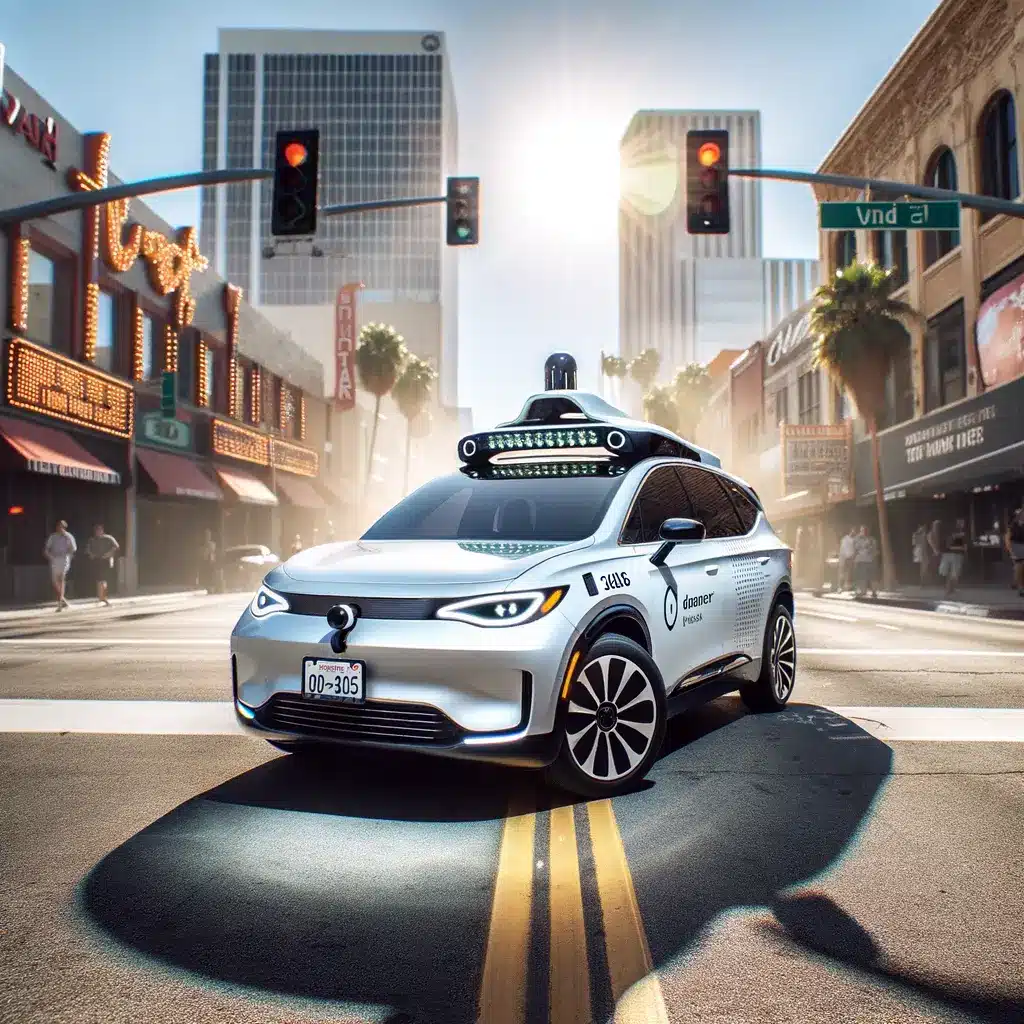
AlphaMio: NVIDIA’s Autonomous Vehicle Brain Hits the Road
AlphaMio stole the show as the first fully reasoning NVIDIA autonomous vehicle platform designed for commercial deployment. Traditional self-driving stacks focus on perception and control—turn the wheel, apply the brakes, keep the lane. AlphaMio adds a third layer: explicit reasoning. In the live walkthrough, the system justified every planned maneuver, detailing why it accelerated or yielded and how each decision fit into a larger trajectory.
That transparency is vital for regulators and passengers who demand understandable safety cases. The AlphaMio hardware suite fuses high-bandwidth sensor input with next-gen GPUs, delivering enough compute to run multi-modal transformer networks in real time. Huang confirmed that the first NVIDIA autonomous vehicle using AlphaMio will hit public roads in Q1, with over-the-air updates scheduled for subsequent releases.
The keynote also highlighted the Mercedes-Benz CLA, recently awarded the world’s safest car rating. While Mercedes contributes its own safety systems, AlphaMio’s approach to physical AI and synthetic data generation serves as the new backbone for continual improvement.
[Embed YouTube video here after this section]
Developers interested in automotive AI should explore DRIVE OS documentation and integrate the same perception modules showcased at NVIDIA CES 2026 into smaller projects—an excellent internal link opportunity for anyone following the evolution of lidar fusion and end-to-end planning.
From Digital to Physical: NVIDIA’s Expanding Robotics Ecosystem
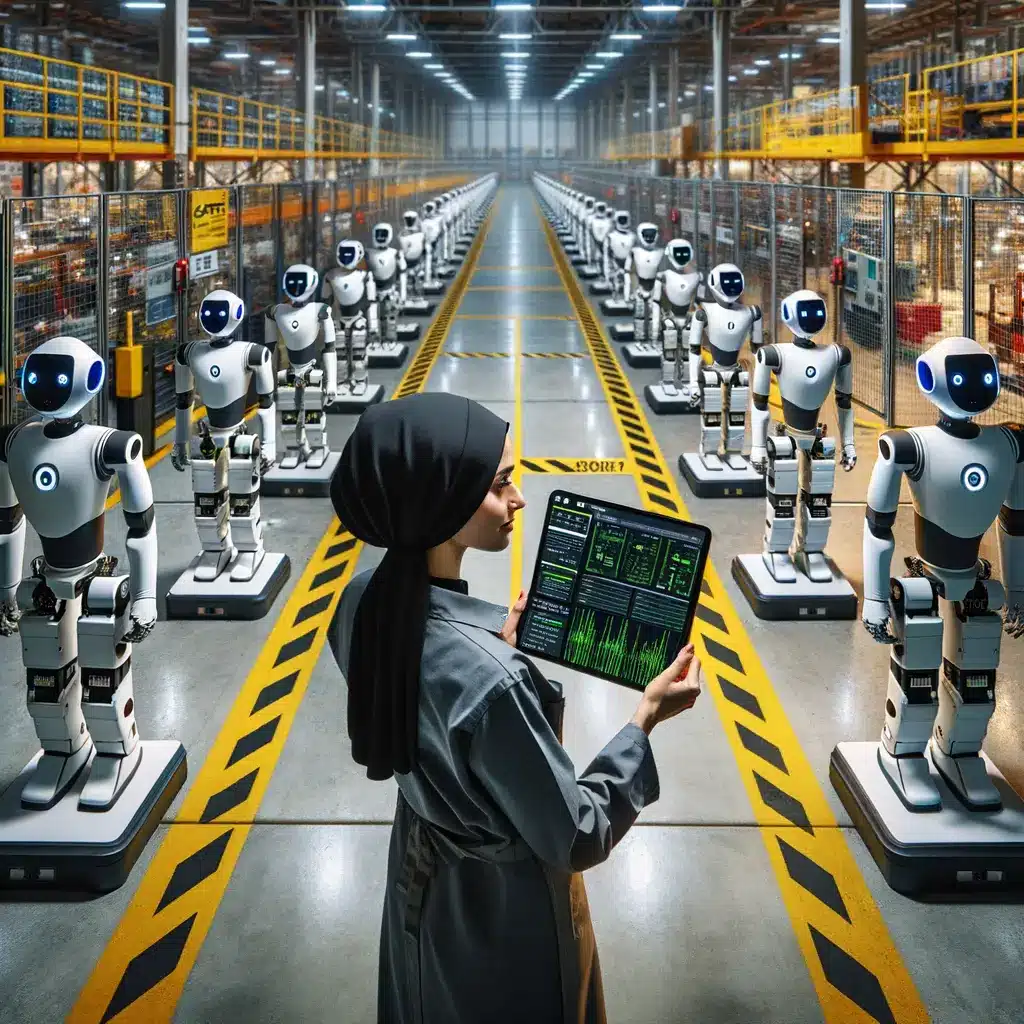
AlphaMio may dominate headlines, but NVIDIA CES 2026 made it clear that autonomy extends far beyond cars. The company invited a parade of robots onto the stage, each powered by the same core advances in physical AI and accelerated compute. Warehouse pickers, last-mile delivery bots, and humanoid assistants all benefited from Isaac Sim, NVIDIA’s robotics simulation platform. By running in the same Omniverse environment used for automotive training, developers can transfer learnings between domains with minimal friction.
The keynote stressed that every robot shares three constants: a perception stack, a physics-informed policy model, and a safety-certified control loop. Synthetic data generation fills perception gaps, while low-latency GPUs execute complex reinforcement-learning policies in real time. Huang also emphasized standardization. By leveraging a common CUDA-based software layer, robotics startups avoid rewriting code for each hardware revision and instead focus on unique value propositions such as gripper design or human-robot interaction.
Internal linking alert: readers following warehouse automation trends will want to revisit our deep dive into NVIDIA Jetson Orin, which now integrates seamlessly with the sensor fusion pipeline displayed at NVIDIA CES 2026. As deployment scales, expect to see these robots in retail backrooms, hospitals, and maybe even your local grocery store.
Vera Rubin Supercomputer: Scaling AI Performance Every Year
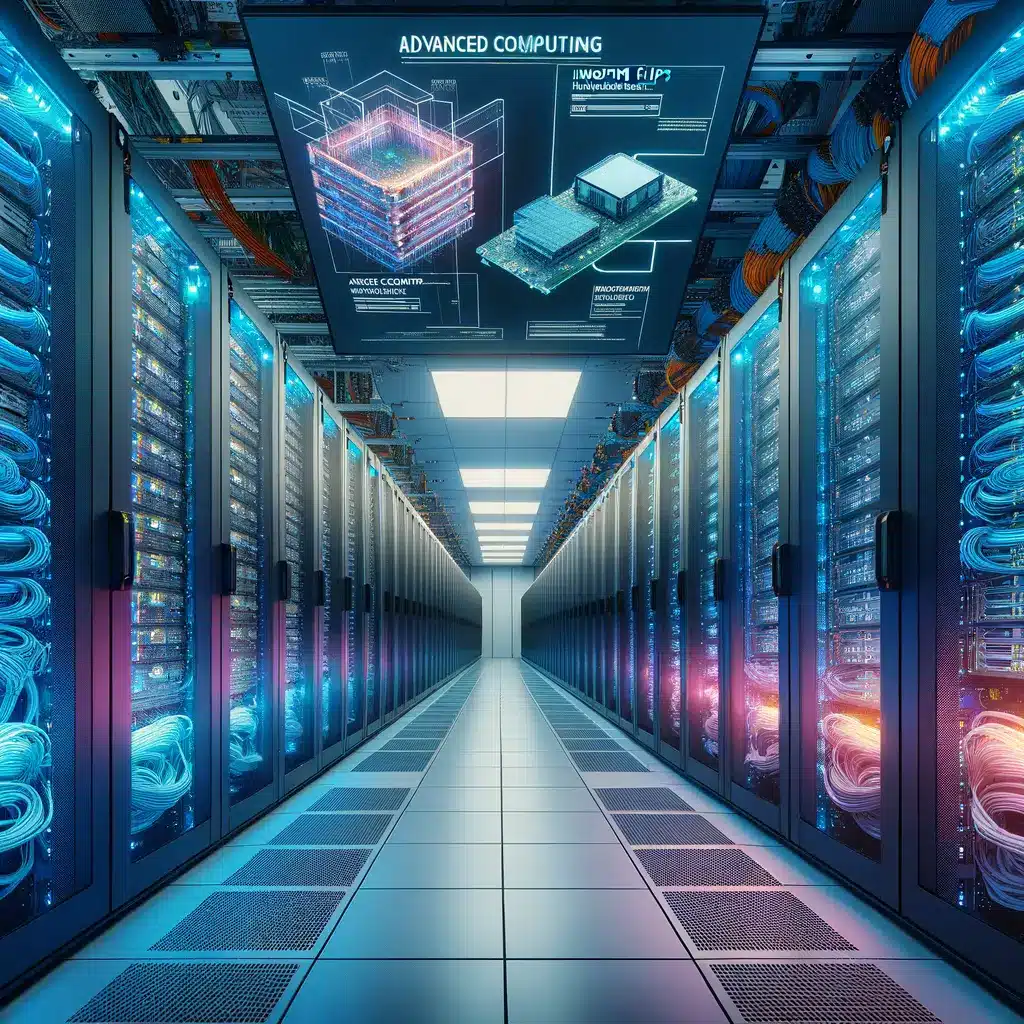
To satisfy the ever-increasing appetite for AI compute, NVIDIA unveiled the Vera Rubin supercomputer architecture—a six-chip system engineered to function as a single massive accelerator. At its heart are the custom Vera CPU and Rubin GPU, co-designed to share data coherently with minimal latency. ConnectX-9 fabric supplies 1.6 Tb/s of bandwidth per GPU, while BlueField-4 DPUs offload storage and security tasks, ensuring the compute complex remains laser-focused on inference and training.
A key innovation is a rack-level KV-cache, which addresses the growing network traffic created by large-language-model token generation. By storing context memory locally, the Vera Rubin supercomputer reduces jitter and slashes operational costs for cloud providers. Sixth-generation NVLink switches and Spectrum-X Ethernet photonics extend that performance across thousands of racks, creating what Huang calls an “AI factory.”
For developers, the takeaway from NVIDIA CES 2026 is straightforward: model size should no longer be constrained by interconnect bottlenecks. Teams can iterate on 1-trillion-parameter models without rewriting code for pipeline parallelism tweaks. If you’re experimenting with retrieval-augmented generation, the Vera Rubin supercomputer will open doors previously shut by latency ceilings.
Related reading: check our earlier post on Hopper GPU architecture to better understand how Rubin builds upon those tensor core enhancements.
Why NVIDIA CES 2026 Matters for Builders, Businesses, and Society
NVIDIA CES 2026 wasn’t merely a technology spectacle—it was a roadmap for how AI will permeate every industry over the next decade. With physical AI shortening the gap between simulation and deployment, enterprises can test bold ideas at a fraction of today’s cost. AlphaMio proves that transparent reasoning will define the next generation of NVIDIA autonomous vehicle platforms, ensuring regulators and riders alike gain confidence. Meanwhile, the Vera Rubin supercomputer demonstrates that compute will keep pace with escalating model complexity, ushering in more conversational, context-aware digital assistants.
For startups, the message is clear: build on a stack that evolves yearly. NVIDIA’s commitment to advancing hardware on a one-year cadence guarantees that software investments today remain relevant tomorrow. Enterprises already leveraging GPU acceleration for data science should evaluate how synthetic data generation can expand datasets without breaching compliance constraints.
Finally, society at large stands to benefit from safer roads, more efficient warehouses, and greener data centers. Energy-efficient designs like Rubin will curb the carbon footprint of AI, while physics-informed models reduce the trial-and-error inherent in deploying robots to public spaces. As we reflect on NVIDIA CES 2026, one thing is certain: the future of accelerated computing is no longer confined to research labs—it’s arriving in production workloads faster than ever. Keep following our coverage to see how these announcements intersect with deep learning frameworks and the expanding universe of edge AI.