Iran Travel Advisory: Why the Conflict Matters to Tourists
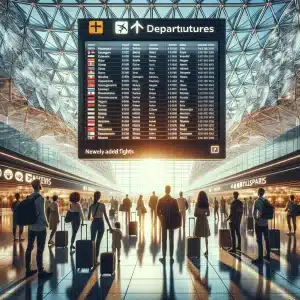
The latest Iran travel advisory has moved from cautious to critical since U.S.- and Israeli-led strikes triggered a cascade of retaliatory attacks across the region. More than one million passengers have already felt the disruption, demonstrating just how quickly a localized conflict can spill over into global mobility. Commercial air corridors that usually connect Europe, Asia, Africa and Oceania now resemble a jigsaw puzzle of no-fly zones. For travelers, that means reroutes, overnight groundings and a sudden spike in ticket prices as carriers burn extra fuel on longer paths.
Conflict-related airspace closures are not new—the 1991 Gulf War and the 2014 Crimea crisis offer precedents—but the scale of the current shutdown is unprecedented for the Gulf in the age of mass tourism. Dubai, Abu Dhabi and Doha normally channel more than 138,000 connecting passengers every single day; when those arteries clog, itineraries around the world seize up. Adding to the stress, official guidance is changing hourly. What shows as permissible on one newsfeed may be blocked on the next.
Because the primary keyword, Iran travel advisory, is being updated in near-real time by multiple governments, travelers should bookmark the U.S. Department of State’s page and sign up for SMS alerts. UK, EU, Australian and Canadian advisories frequently revise risk maps, so cross-referencing is essential. This article distills those shifting notices into practical steps while pointing to deeper resources—such as our guide on crisis-era airline refunds—for readers who need actionable next moves.

Middle East Flight Cancellations and Closed Airspace
Since Saturday, Middle East flight cancellations have rolled through schedules like dominoes. The United Arab Emirates, Kuwait and Bahrain all issued NOTAMs (Notices to Airmen) restricting civilian traffic within minutes of the first missile strikes. For safety, airlines instantly re-routed trans-Gulf flights over Saudi Arabia or, when that option was saturated, as far south as the Arabian Sea. The longer mileage has a measurable impact: a typical London-to-Singapore leg now adds up to 90 minutes in the air and consumes roughly two extra tonnes of Jet A-1 fuel.
For airlines, those extra minutes slash profit margins; for passengers, they multiply delays and baggage-misconnects. Emirates, Qatar Airways and Etihad—normally paragons of punctuality—have published rolling waiver policies that allow no-fee date changes. Budget carriers such as flydubai and Air Arabia, however, simply halted operations, creating a two-tier system in which premium-ticket holders find alternatives faster.
Meanwhile, cargo operators diverted freight to Jeddah and Muscat, pushing per-kilogram shipping rates up 18% in 72 hours. That logistics squeeze will soon surface on store shelves worldwide. If you rely on just-in-time supply chains—or plan to travel for a trade fair in Riyadh—consider contingency routing now. Check our internal resource on the Suez Canal blockage for a parallel case study of supply shock dynamics.
Dubai Airport Closures: The Hub at the Eye of the Storm
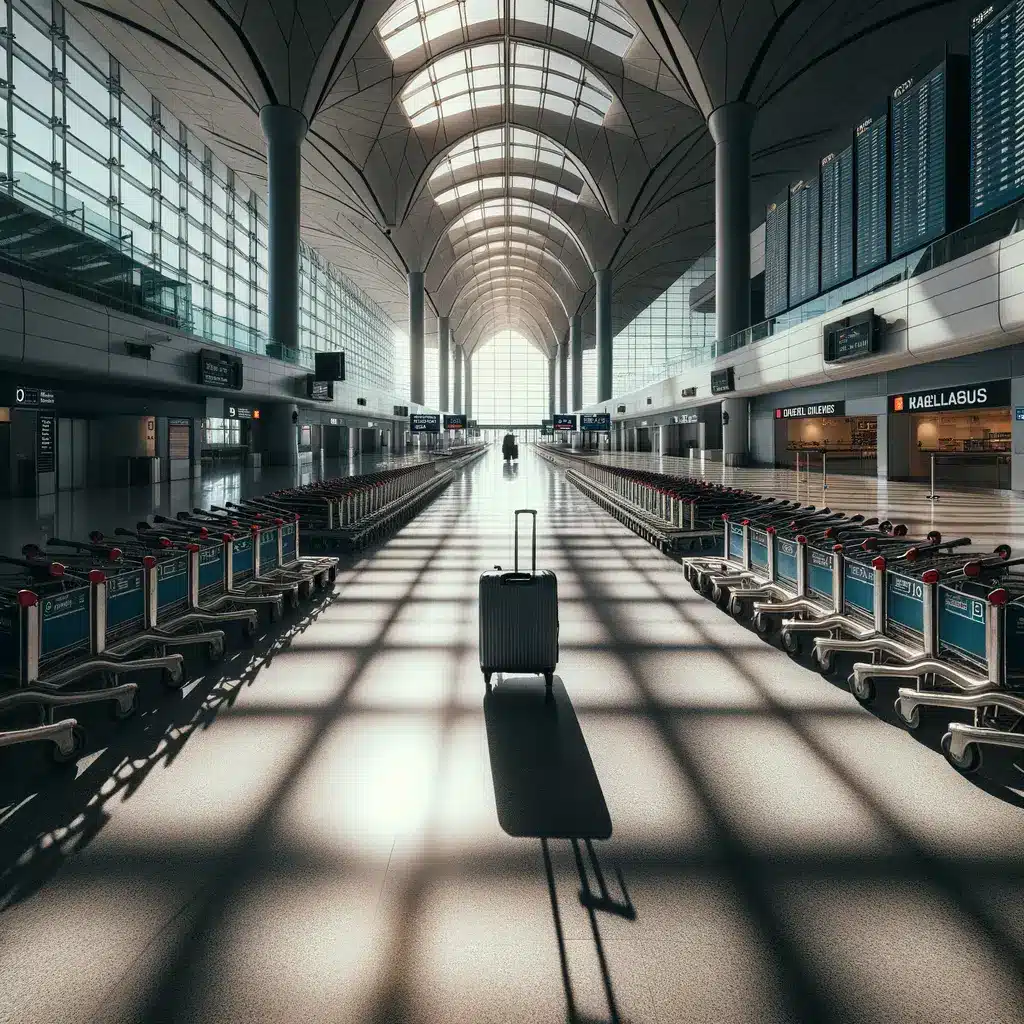
Dubai airport closures have shocked even seasoned aviation analysts. Dubai International (DXB) is the world’s busiest international hub, moving 95 million people annually—more than Heathrow and JFK combined. When Iran-aligned forces fired missiles at the emirate, local authorities ordered an immediate ground stop. Arrivals boards that usually cycle non-stop destinations from Auckland to Zürich went blank, leaving travelers wandering echoing halls and darkened duty-free shops.
According to data firm OAG, each 24-hour shutdown at DXB erases roughly US$120 million in direct aviation revenue and ripples out through hotels, ride-shares and conference venues. Business travelers connecting between Asia and Europe felt the pinch first; a diverted Airbus A350 chartered by an Australian mining firm proved the costliest known detour at US$1.5 million for fuel, overflight permits and crew logistics.
Local authorities have since authorized limited outbound ferry flights to clear stranded tourists, but insiders expect DXB to stay largely dark for weeks. Abu Dhabi and Doha remain open yet overstretched; expect long queues for transfer security and spotty lounge access. Embedded below is CNBC’s full report—watch it to see real-time footage of the eerily empty concourse and expert commentary on possible reopening timelines.
(Embed YouTube video here)
Repatriation Flights & Visa Hurdles: Getting Stranded Travelers Home
With standard schedules in tatters, airline repatriation flights have become the only lifeline for many. Governments from Australia, India and the Philippines are chartering Boeing 777s and Airbus A380s to airlift citizens out of Gulf hotspots. Yet the process is far from straightforward: every unscheduled flight requires diplomatic approval for civil-military corridors, crew security guarantees and ground-handling slots at partially staffed airports.
Travelers also face visa labyrinths. A Singaporean tourist stuck in Abu Dhabi, for instance, must secure a short-term UAE transit extension if her repatriation aircraft departs from Dubai World Central (DWC) instead of DXB. Multiply that paperwork by children, elderly relatives and pets, and the stress mounts quickly. Always verify entry rules on embassy websites before relocating between emirates—penalties for overstays can reach US$300 per day.
Documentation is only half the battle. Limited hotel space means some passengers have been bussed 150 km into the desert to government-financed resorts—commendable hospitality but logistically complex when departure calls come with two hours’ notice. Pack medications, portable chargers and printed copies of e-tickets. Our separate article on crisis packing lists inside the Travel Safety hub offers a detailed checklist readers can reference.
For those still planning Gulf stopovers later this year, consider adding a fully flexible fare or booking on carriers with metal-neutral alliances; that code-sharing web often unlocks quicker reaccommodation during black-sky events.

Tourism, Hospitality and Fuel Costs: Economic Shockwaves
Beyond the terminal, the conflict’s economic tremors are spreading. Dubai’s tourism-dependent GDP derives 12% of its annual revenue from foreign visitors; a five-week freeze could shave a full percentage point off national growth. Hoteliers, who usually run 85% occupancy in peak season, are reporting vacancy rates below 20%. To keep goodwill alive, the UAE government stepped in to pay stranded guests’ room bills—an almost unheard-of measure that underscores the stakes.
Supply chains are equally strained. With the Suez Canal effectively blocked by heightened naval inspections, container ships are re-routing around the Cape of Good Hope. That detour adds 10-14 days to delivery times and crowds Gulf ports with backlogged cargo. Airlines picking up the slack face surcharges for extended routings, pushing global freight rates skyward. The resulting higher jet-fuel consumption will soon influence passenger ticket prices, especially on long-haul sectors connecting through the Middle East.
Local businesses, from Michelin-starred restaurants on Sheikh Zayed Road to mom-and-pop desert tour operators, are feeling the pinch. Perishable food shipments are arriving sporadically, forcing menus to shrink. Luxury retailers worry that declining footfall will hit quarterly earnings already challenged by inflation. For readers in the events sector, see our in-depth feature on contingency planning for international conferences—a perfect companion piece to this analysis.

Smart Crisis Planning: Travel Insurance and Next Steps
Uncertainty may be the only constant, but travelers can still act decisively. Start by reviewing your policy for war zone travel insurance; only a “cancel for any reason” (CFAR) rider truly protects prepaid costs once a conflict is officially declared. Standard policies often exclude acts of war. If you purchased airfare with a premium credit card, check embedded protections—some issuers reimburse hotel nights and alternative transport when government advisories escalate.
Next, set up layered alerts. Besides the Iran travel advisory from your own foreign ministry, subscribe to airline push notifications and regional media such as Gulf News and Al-Monitor. Reliable intelligence lets you pivot ahead of the crowd; studies show passengers who rebook within the first six hours of a disruption have a 90% better chance of departing within 48 hours.
Finally, keep documents and digital backups in multiple places. Cloud-store passport scans, vaccination records and pet import certificates. Carry a portable battery bank—airport power outlets become scarce when thousands camp overnight. Pack high-protein snacks that bypass customs, like sealed meal-replacement bars, and budget extra cash in local currency for rideshares when credit networks buckle.
In closing, remember that the Iran travel advisory will continue to evolve. Maintain flexible itineraries, purchase robust coverage, and review our guide to reclaiming non-refundable tickets for additional peace of mind. Preparedness now will pay dividends when schedules normalize and the magic of Middle Eastern travel returns.