Introducing the iPhone 18 Pro and iPhone Ultra
Apple’s annual fall keynote is still months away, yet the first credible pictures of the iPhone 18 Pro and the all-new iPhone Ultra (sometimes called iPhone Fold) have surfaced. As always, these early looks are pieced together from supply-chain CAD files, prototype photos and analyst notes, but with the design now said to be in final validation testing, odds are high that the finished hardware will match what we are seeing today. The iPhone 18 Pro continues Apple’s tick-tock formula: iterative outside, ambitious inside. Think of it as the iPhone 17 Pro on a protein shake—same premium titanium rails, squared edges and IP68 rating, but sprinkled with meaningful tweaks that matter in day-to-day use. Topping the list is a smaller Dynamic Island cut-out that frees up a sliver of status-bar real estate without killing Face ID, plus a striking crimson colourway that replaces last year’s Cosmic Orange. Meanwhile, the headline grabber is the book-style iPhone Ultra, Apple’s first serious entry into the foldable arena. Together, these devices signal an important pivot: instead of chasing specs for bragging rights, Cupertino is focusing on refining the experience while opening a brand-new product category. Before we dive deeper into the specifics, remember that all information is subject to change until Tim Cook says, “Good morning.” Still, if you’re weighing an upgrade, now is the perfect time to start following the leaks.
Refined Design: Smaller Dynamic Island & Crimson Finish
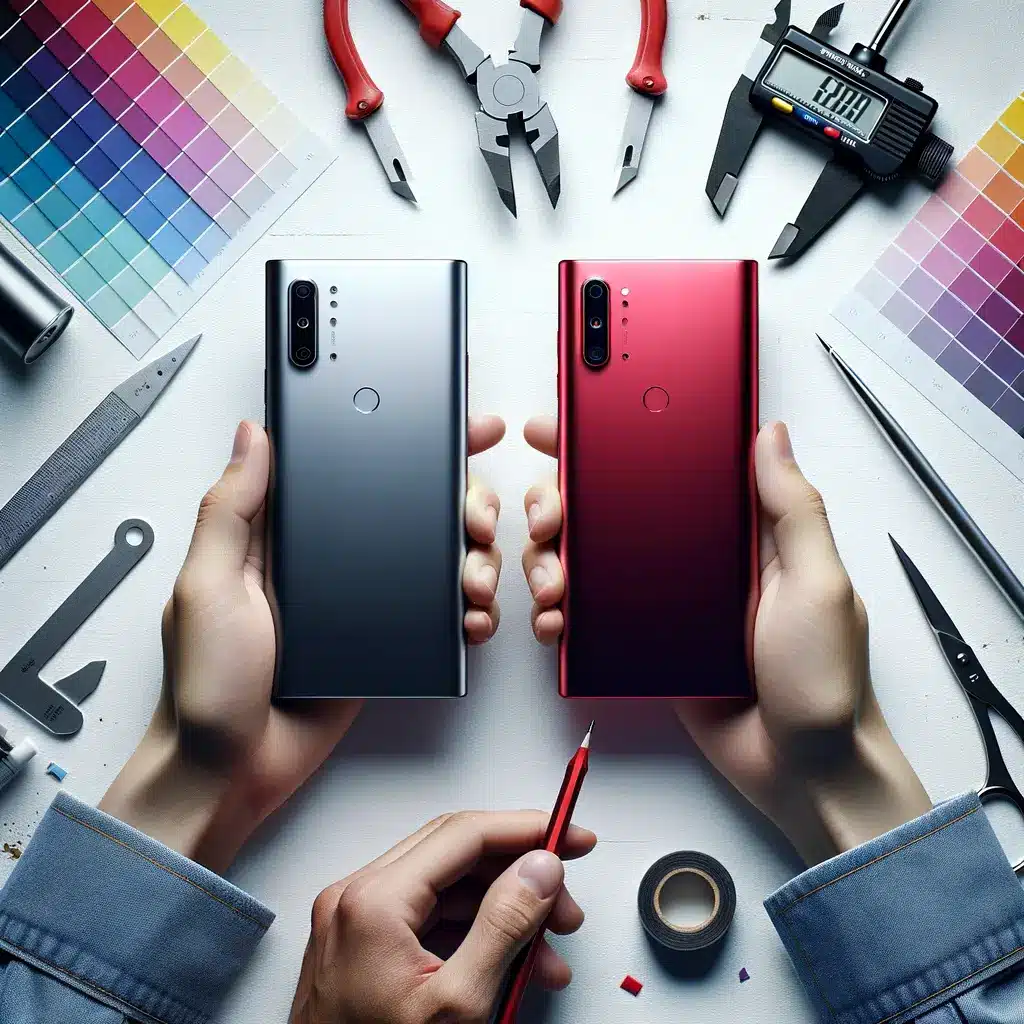
From a distance the iPhone 18 Pro could be mistaken for its predecessor, but a closer inspection—helped by this week’s iPhone 18 leaks—reveals several subtle yet welcome refinements. The most obvious is the shaved-down Dynamic Island. Engineers have squeezed the proximity sensor, speaker and infrared projector into a tighter cluster, trimming the cut-out by roughly 15 %. Because the software already animates around the black pill, most users will simply notice extra pixels for battery icons and notifications. Display sizes remain 6.1- and 6.7-inches, but bezels shrink enough to bring screen-to-body ratio above 90 %. Apple’s obsession with colour continues, retiring Space Black in favour of a deep crimson finish that pops against the brushed titanium frame. Under the side rails, physical buttons and the USB-C port stay put—so rumours of a completely port-less device will have to wait at least another year. The chassis gains slightly larger speaker chambers for louder stereo output and a redesigned thermal plate to accommodate the hotter yet more powerful A18 SoC. All of this happens while maintaining the trusted MagSafe ring alignment on the back, ensuring compatibility with your current accessories. For those eyeing an Apple foldable phone, the design language here gives clues: flat edges, minimal seams and balanced weight distribution hint at what we’ll see when the iPhone Fold opens up.

A18 Chip Power and Starlink Connectivity Explained
Every new iPhone cycle brings a silicon bump, but the A18 powering the iPhone 18 Pro looks set to be a larger leap than usual. Built on TSMC’s second-generation 3 nm process, the chip reportedly packs a 12-core GPU and hardware ray-tracing unit designed to keep Apple Vision Pro-class graphics on your pocket device. Early Geekbench leaks point to a 20 % jump in single-core and a staggering 30 % uplift in multi-core workloads over the A17 Pro. More interesting than raw horsepower, however, is connectivity. Apple is said to be tweaking its in-house modem to handshake with Starlink’s direct-to-cell satellites. In effect, your iPhone 18 Pro would stay online even when you drive off the grid, letting you watch YouTube or place a FaceTime call where older handsets can only send an SOS text. Carriers aren’t thrilled, yet industry insiders suggest a revenue-share model could smooth negotiations before launch. Wi-Fi 7 and Bluetooth 5.4 round out the spec sheet, and leaked battery certifications hint at a modest 8 % capacity bump, helped by denser stacked cells. If you spend long days shooting ProRes footage, the difference will be noticeable. After this section we’ll embed our full video breakdown so you can see benchmark charts in action, but the takeaway is simple: this will be the fastest pocket computer Apple has ever shipped.
Camera Upgrades: From 8K Video to Astrophotography
The camera story for the iPhone 18 Pro evolves on three fronts: sensor size, zoom reach and computational photography. According to supply-chain tracker Ming-Chi Kuo, Apple has secured a new 1/1.1-inch Sony sensor for the main 48-MP camera—about 12 % larger than the current unit, translating into better low-light performance and shallower depth of field. The periscope telephoto that debuted on last year’s Max model now lands on both Pro sizes, offering a clean 5× optical zoom or 120 mm equivalent focal length. Apple’s image pipeline has also been trained to shoot native 8K video, finally matching high-end Android rivals and giving mobile filmmakers extra cropping room in post-production. Night sky lovers will appreciate the long-rumoured astrophotography mode: the phone automatically switches to multi-second exposures once it detects a tripod and sufficiently dark skies. Selfie shooters aren’t left behind either, with whispers of a 32-MP front sensor and smarter portrait algorithms. If you want to compare these upgrades with last year’s hardware, check out our iPhone 17 Pro camera guide for reference. For editing on the go, the handset leverages the A18’s neural cores to apply Log colour profiles in real time—no Mac needed. Altogether, the upgrades may not look flashy on a spec sheet, but they should deliver noticeably cleaner images when the sun goes down.

Inside the iPhone Fold: Apple’s First Foldable Phone
While incremental updates keep the mainstream happy, the iPhone Ultra—better known by insiders as the iPhone Fold—will grab the headlines. Finalized CAD files depict a book-style hinge similar to the Galaxy Z Fold 5 yet topped with Apple’s trademark symmetry. The exterior sports a 6.4-inch OLED with a centred Dynamic Island cut-out; unfold it and you’re greeted by an 8.3-inch nearly square canvas that supports Apple Pencil hover input. Engineers have developed a teardrop hinge mechanism that allows the two halves to close flush, minimising the visible crease and boosting durability to an estimated 400,000 folds. To save weight, Apple has replaced the stainless-steel hinge pins used by rivals with a custom titanium-alloy blend, keeping total mass under 240 g—lighter than most tablets yet only slightly heavier than an iPhone 18 Pro Max. Inside, dual-cell batteries add up to 5,000 mAh and charge at 35 W via USB-C. Expect storage tiers to start at 256 GB and peak at 1 TB. And the price? Supply-chain chatter points to a $1,999 US entry tag, neatly positioning the model as both a phone and an ultraportable productivity slate. For more on foldable ecosystems, explore our overview of iPadOS multitasking tricks, which will likely inform the Fold’s split-screen UI. Whether this Apple foldable phone is a niche halo product or the future of the line depends on developer support and, of course, your wallet.

Release Timeline, Pricing & Should You Upgrade?
With the design locked and mass production scheduled for late summer, the iPhone 18 Pro launch window looks set for mid-September, while the iPhone Fold may arrive a few weeks later in limited quantities. Early carrier roadmaps already list dummy SKUs, suggesting pre-orders will open the Friday after the keynote. If Apple holds its pricing steady, we expect the iPhone 18 Pro to start at $1,099 and the 18 Pro Max at $1,199, each shipping with 256 GB base storage. Trade-in bonuses for the iPhone 17 series should soften the blow, so keep an eye on our ever-updated carrier deals tracker for the best bundles. Should you upgrade? If you own anything older than an iPhone 15, the gains in battery life, camera quality and Starlink connectivity make the move compelling. Power users chasing bleeding-edge design may instead wait for the iPhone Ultra, but remember first-generation Apple hardware often carries teething pains—see our retrospective on the original Apple Watch for context. For everyone else, iOS 18 will still run beautifully on existing devices, and rumours hint at headline features like generative Siri and smart widgets. Either way, bookmark this page; we’ll refresh it with hands-on impressions once the embargo lifts. Until then, the iPhone 18 Pro remains the most anticipated upgrade path for mainstream Apple fans this year.