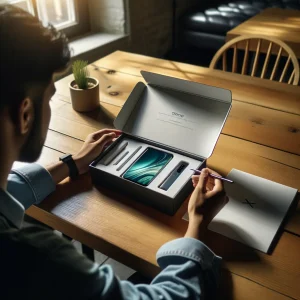
Samsung Galaxy S26 Ultra Preview: What to Expect at Launch
With the official Galaxy Unpacked event reportedly less than three weeks away, anticipation for the Samsung Galaxy S26 Ultra is sky-high. Samsung’s incoming flagship headlines the S26 family and is poised to make a meaningful leap over the S25 line in photography, performance and AI. According to trusted sources, the Samsung S26 release date window sits in late January, with pre-orders opening within hours of the keynote and retail availability following in early February.
The Samsung Galaxy S26 Ultra aims to refine an already impressive formula rather than reinvent it. Externally the handset keeps the squared-off silhouette users love, but renders show an even slimmer chassis, almost matching the thickness of the embedded S Pen. Inside, big changes abound: a new 200 MP main sensor, a revamped zoom module, and dual chip options—Snapdragon 8 Gen 5 for Galaxy or Samsung’s own Exynos 2600 depending on region. Both silicon platforms have been optimized for on-device generative AI, laying the groundwork for instant photo edits, live captions and enhanced privacy features.
For long-time Galaxy Note fans wondering whether to upgrade from an S24 Ultra, this guide breaks down everything we know so far, highlights must-watch specifications, and flags deal-breakers before you hit that pre-order button. For even more background, check our comparison of the S25 Ultra versus the new model and our explainer on One UI 8’s hidden features.
Ground-Breaking Camera and Zoom Upgrades Explained
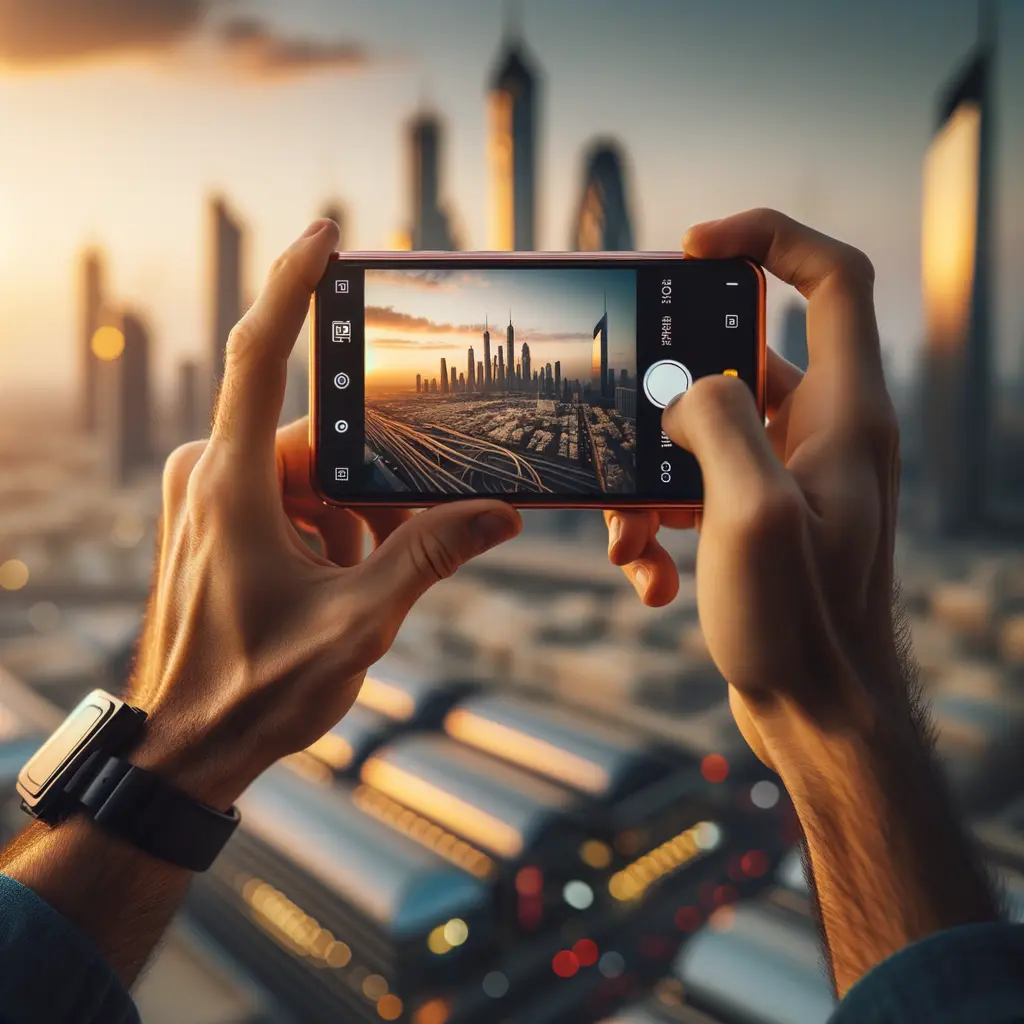
Imaging is once again the focus of Samsung’s engineering team, and early information suggests the Galaxy S26 Ultra camera stack could deliver the biggest year-on-year jump since the S21 era. The star of the show is a redesigned periscope lens featuring a wider f/2.8 aperture—up from f/4.0 last year—allowing up to 122 % more light at 10× optical zoom. Paired with a larger sensor and multi-frame processing, low-light zoom shots should look cleaner and sharper, addressing a long-standing criticism.
Video is also getting a serious overhaul. Leaked promo trailers flaunt buttery-smooth 8K30 capture with Adaptive VDIS, while new AI-powered noise-reduction promises crisp footage in dim restaurants or cityscapes. Expect seamless hand-offs between lenses so you can pull back from 100× Space Zoom to the main wide camera without jarring color shifts. Under the hood, Samsung’s ISP taps into Edge Fusion to handle computational photography in near-real time, meaning Night Mode shots will render in under a second on the Samsung Galaxy S26 Ultra.
Rounded out by a 12 MP ultra-wide with macro focus and improved selfie performance, the Galaxy S26 Ultra specs sheet reads like a dream for content creators. Still on the fence? Dive into our detailed camera comparison once review units land, or explore tips for mastering Expert RAW on current Galaxy phones to prepare for the upgrade.

AI Edge Fusion & Performance: Snapdragon 8 Gen 5 vs Exynos 2600
Samsung’s 2026 flagship ushers in a new era of on-device intelligence. Edge Fusion, a proprietary AI framework that splits tasks across the CPU, GPU and NPU, is expected to slash generative edit times from minutes to seconds. During closed-door demos, the Samsung Galaxy S26 Ultra transformed a cluttered background in a 12 MP photo into a studio-clean scene in under three seconds—an impressive feat that previously required a cloud round-trip.
Two chipsets power this magic. North America will receive the customized Snapdragon 8 Gen 5 for Galaxy, boasting a 3.4 GHz Cortex-X5 prime core and Adreno 860 graphics. Europe and parts of Asia get the Exynos 2600, which early benchmarks suggest edges ahead in NPU throughput, making AI filters even snappier. Whichever silicon you receive, you can expect sizeable uplifts in battery efficiency and 5G modem stability.
Samsung is weaving AI deeper into daily workflows: text summarization inside Samsung Notes, real-time translation in calls, and private-by-design AI image generation that never leaves your handset. If you missed our guide on how to use Galaxy AI features to accelerate productivity, give it a read—every trick there will apply to the new model. After section three, watch the official teaser video embedded below to see Edge Fusion in action.
Design, Display and the Missing MagSafe Feature
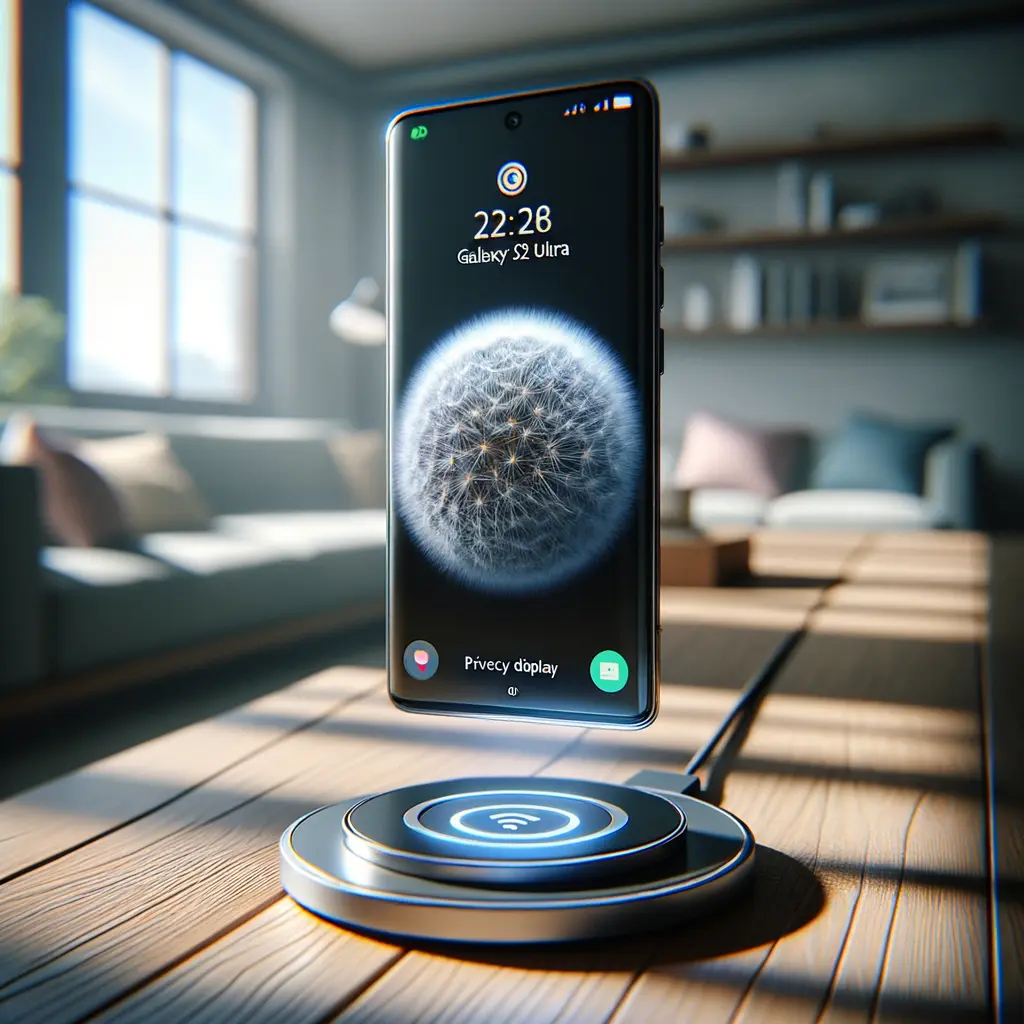
Visually, the Samsung Galaxy S26 Ultra looks familiar yet refined. The polished Armor Aluminum frame subtly curves into a flatter Gorilla Glass Victus 3 back, while bezels shrink to a barely-there 1.7 mm. The new Dynamic AMOLED 3X panel reaches 2,800 nits peak HDR brightness and introduces an AI Privacy Display that narrows the viewing angle when sensitive content is detected—ideal for commuters who deal with nosy neighbors on public transport.
Despite these upgrades, a long-requested feature is still absent: native MagSafe-style magnetic wireless charging. Owners can add a MagSafe-compatible case, but Samsung’s reluctance means accessory ecosystems like snap-on battery packs or card wallets remain third-party only—for now. The omission is puzzling, given Apple and Google Pixel devices have normalized magnetic alignment.
On a brighter note, haptics receive a boost with a new X-axis motor, and the S Pen latency drops to an industry-leading 1.6 ms, turning note-taking into a near-paper experience. If you’re intrigued by hardware nuances, our teardown of the S25 Ultra’s cooling system gives insight into how Samsung might have shaved millimeters off the new chassis while keeping temperatures in check. Expect a similar vapor-chamber layout but with graphene thermal paste for faster heat dissipation.
Samsung Galaxy S26 Series Pricing & Release Date Outlook
Pricing rumors suggest the Galaxy S26 series price will fluctuate by market due to currency swings and component costs. In the United States, insiders expect MSRP parity with the S25 line—starting at $1,199 for 256 GB—while parts of Europe could see a €50-€80 increase. Australia and India, on the other hand, may benefit from localized production incentives that keep tags steady.
Samsung’s launch strategy mirrors previous years: pre-orders open moments after the keynote with bonuses such as double storage upgrades, exclusive colorways, and generous trade-in credits. If you own an S23 Ultra or newer, you could save up to $600, making the Samsung Galaxy S26 Ultra upgrade surprisingly affordable. Keep an eye on Samsung.com’s reservation page, as early reservations usually net an extra $50 credit.
The Samsung S26 release date is tipped for 2 February 2026, lining up nicely with Valentine’s Day sales promos. Carrier bundles will likely include free Galaxy Buds 3 Pro or a year of YouTube Premium. For more money-saving advice, check our running list of the best Galaxy deals updated weekly and our guide on whether Samsung Care+ is worth adding to your cart.

Is the Samsung Galaxy S26 Ultra Worth the Upgrade?
After weighing the evidence, the Samsung Galaxy S26 Ultra looks set to earn its Ultra badge once again. Photographers gain a brighter periscope lens, videographers get cleaner 8K footage, and power users benefit from near-instant AI processing through Edge Fusion. While the lack of built-in MagSafe may disappoint, and regional price bumps could sting, most existing Galaxy owners will find far more pros than cons.
For S24 Ultra or Note 20 Ultra owners, the leap in low-light quality alone justifies the switch. Anyone clutching an S22 Ultra or older will enjoy a dramatically brighter display, faster chipset, and seven years of OS updates promised by Samsung. Meanwhile, iOS users tempted by Android’s newfound Airdrop parity can now move between ecosystems without giving up effortless file sharing.
Ultimately, the decision boils down to priorities. If magnetic accessories are essential, you may wait another cycle. But if you crave bleeding-edge mobile photography, class-leading AI, and a design refined to razor-thin elegance, the Samsung Galaxy S26 Ultra is an upgrade that will serve you for years. Still undecided? Read our deep-dive comparing Snapdragon versus Exynos gaming performance and our roundup of the best Android phones heading into 2026 before making a final call.