Electric Cars to Avoid in 2026: Why This List Matters
The EV marketplace is exploding, yet not every battery-powered car is a smart buy. In fact, there is now an unmistakable subset of electric cars to avoid if you value long-term reliability, affordable ownership and decent resale value. Real-world data from TÜV inspections, Consumer Reports surveys and industry sales charts shows that some high-profile models are already collapsing in value while racking up warranty claims. Why does this happen? Three forces usually collide: accelerated tech cycles, hurried product launches and limited parts pipelines. The result is an ownership experience that can drain both patience and wallets.
While headlines often highlight range or acceleration, savvy shoppers dig deeper into depreciation curves and service network strength. A flashy 0–60 time means little when a failed integrated charging control unit leaves you stranded. By spotlighting the six worst electric vehicles 2026 shoppers are likely to encounter, this guide helps you sidestep costly mistakes. You’ll also find internal links to our deep dives on EV battery warranties and the best home chargers, because an informed buyer is still the best warranty. Keep reading to learn how to spot the warning signs, understand the data and ultimately steer clear of electric cars to avoid.

How Depreciation & Reliability Turn Winners Into Losers
Depreciation is the silent budget killer. Traditional cars lose roughly 40% of their value in the first three years; problematic EVs can shed 60–70% in the same span. That gulf widens when there are well-publicized EV reliability issues. Battery packs, motor inverters and control modules are breathtakingly expensive—and news travels fast when they fail. Shoppers rapidly label such models as electric cars to avoid, which further accelerates price erosion.
Market incentives add another wrinkle. When a $7,500 federal tax credit abruptly disappears—such as for Japanese-built imports—the sticker shock pushes resale values even lower. Meanwhile, uncertain service support hits owners twice. First, out-of-warranty repair quotes can reach $10,000 or more for a single battery module. Second, orphaned models force owners to hunt for specialized technicians hundreds of miles away, burning time and towing fees.
Brands with robust dealer networks can blunt these blows, but newcomers following a direct-to-consumer model may struggle. For example, Rivian’s limited service footprint magnifies each breakdown, amplifying online chatter that quickly cements a truck’s reputation. Remember: once a vehicle lands on lists of electric cars to avoid, its residual value rarely recovers. Monitoring depreciation trends, warranty claim rates and parts availability is therefore just as crucial as scanning spec sheets.
These 6 Electric Cars to Avoid: Model-by-Model Breakdown
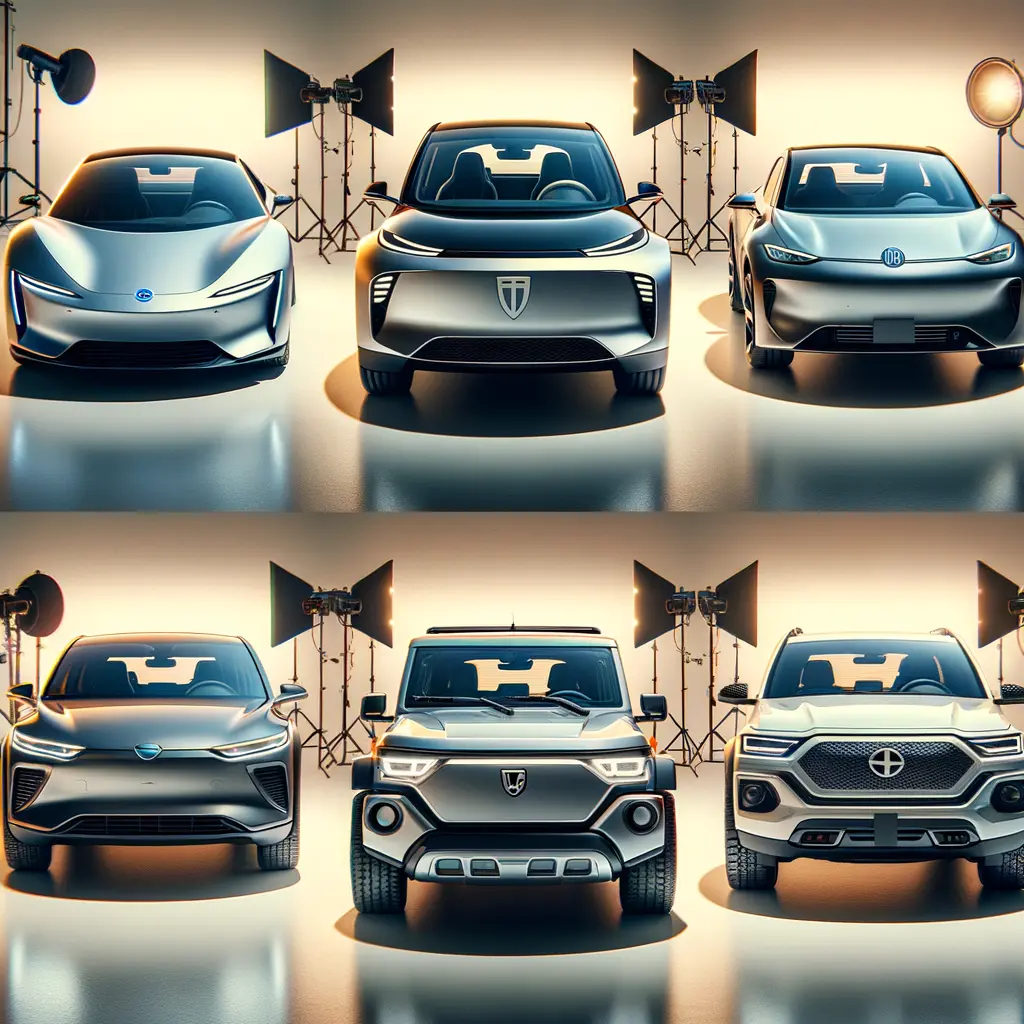
Below are the six worst electric vehicles 2026 shoppers should think twice about, distilled from TÜV, Consumer Reports and resale data.
1. Nissan Ariya — A tariff-hit import losing its tax credit and U.S. allocation. Orphan risk means dwindling parts and plunging resale.
2. Mercedes-Benz EQE/EQS Sedans — Six-figure MSRPs now selling used for under $40k. Limited technician expertise and thin parts pipelines signal future headaches.
3. Kia EV6 — Once a media darling, now plagued by a fragile integrated charging control unit. Recalls can leave owners waiting weeks for parts, fueling forums full of EV reliability issues.
4. Tesla Model Y — TÜV ranks it dead last for 2- to 3-year-old reliability. Suspension wear and corroded brake discs dominate Tesla Model Y problems, especially in harsh climates.
5. Chevrolet Blazer EV — First-year gremlins include 12-volt system failures and infotainment blackouts. GM even froze sales to push emergency software patches.
6. Rivian R1T — Stunning performance overshadowed by battery pack swaps and drive-unit outages. Limited service centers amplify downtime.
If your shortlist includes any of the above, demand full service records, proof of completed recalls and consider certified pre-owned warranties. After this section you’ll find our embedded video for a deeper visual rundown, plus links to our guide comparing extended EV warranties across brands.
The Hidden Costs of Owning an Unreliable EV
Sticker price is only the opening bid. Owners of electric cars to avoid often learn that downtime has its own invoice. Rental vehicles can run $50–$80 a day when a critical part is back-ordered. Home charging upgrades may be useless if the on-board charger fails. Even towing an all-wheel-drive EV demands a flatbed, typically doubling the cost compared with conventional vehicles.
Insurance premiums can also climb. Actuaries scrutinize Tesla Model Y problems or Rivian battery-pack failure rates and adjust collision-repair payouts accordingly. Data from U.S. insurers shows that EVs with higher parts prices carry premiums up to 20% above segment averages. Depreciation then undercuts equity, shrinking trade-in offers and inflating lease buy-outs.
Finally, consider opportunity cost. Every hour spent negotiating with service centers is an hour not spent commuting, traveling or working. Owners write off vacation deposits after sudden Integrated Charging Control Unit failures, or lose business income when trucks wait weeks for drive motors. Those intangible losses rarely appear on a Monroney sticker yet loom large in real life. Calculating total cost of ownership therefore demands more than electricity-vs-gas math; it requires assessing the real-world pain points tied to electric cars to avoid.
Researching EV Reliability: Tools, Data & Best Practices
Dodging electric cars to avoid is easier when you have the right data at your fingertips. Start with annual reliability surveys from Consumer Reports and J.D. Power. Both aggregate thousands of owner responses, giving you statistically relevant defect rates. Cross-reference those findings with TÜV or DEKRA inspection reports for a European perspective on wear items such as suspension links and brake discs.
Next, scan technical service bulletins (TSBs) on the National Highway Traffic Safety Administration website. A high volume of electrical-system TSBs—think Kia EV6 reliability updates or GM’s Blazer software patches—signals ongoing engineering challenges. For real-time anecdotes, owner forums and subreddits remain invaluable. Look for patterns: multiple threads on Tesla Model Y problems tied to the same VIN range usually foreshadow a recall.
Don’t overlook the dealership experience. Ask service managers about parts lead times, loaner availability and the frequency of major component replacements. A willingness to provide written answers indicates confidence in the product. Finally, always secure an independent pre-purchase inspection from an EV-trained technician who can pull high-voltage error codes and measure battery health. Following these steps dramatically lowers your odds of ending up with electric cars to avoid.
Conclusion: Shop Smart and Sidestep Electric Cars to Avoid
The transition to electric mobility is exciting, but discernment is essential. By focusing on real-world data rather than marketing hype, you can separate breakthrough technology from expensive experiments. Remember the core lesson: popular badges and futuristic dashboards do not guarantee durability. Cross-shop depreciation curves, study EV reliability issues and demand transparent service histories. Doing so will keep you clear of the electric cars to avoid that dominated this list.
Looking ahead, battery technology will improve and manufacturers will learn from early missteps, yet the basics of prudent car buying remain the same. Verify parts availability, weigh warranty depth and ensure a robust service network stands behind your purchase. If you still crave high performance or adventure credentials, there are EVs that deliver without compromising peace of mind—our article on “Most Reliable Electric SUVs of 2026” is a great next read. Until then, let data drive your decision and you’ll power into the EV era with confidence and a healthy wallet.