Why the Cheapest Electric Cars Are Better Than Ever
The market for the cheapest electric cars has exploded in the last two years, and 2024 is shaping up to be a landmark moment. A decade ago, going electric on a budget meant compromising on range, charging speed and even basic comfort features. Today, drivers looking for affordable electric cars 2024 can choose from hatchbacks, crossovers and even compact SUVs that match – and sometimes outperform – their gasoline counterparts. Battery costs have fallen nearly 90% since 2010, according to BloombergNEF, and competition from both legacy brands and start-ups has forced manufacturers to pack more technology into lower-priced trims. Advanced driver-assistance systems, heat-pump HVAC units and faster onboard chargers now appear in models costing under $35,000. Just as important, widespread DC fast-charging infrastructure means a road trip is no longer out of the question for these budget EVs. Add the revamped EV tax credit 2024 rules, and total cost of ownership often beats a similar gas car within three years. Throughout this guide we’ll highlight six vehicles that prove you don’t have to sacrifice practicality. We’ll also point you toward related resources such as our EV maintenance cost breakdown and a step-by-step home-charging installation guide so you can make a fully informed decision.

Nissan Leaf: The Original Budget EV Still Leading
When shoppers list the cheapest electric cars, the Nissan Leaf inevitably tops the conversation – and for good reason. The second-generation Leaf starts at just under $30,000, making it the only new EV that dips below that psychological price barrier in 2024. Its 40-kWh battery delivers an EPA-rated 149 miles of range, which may look modest next to newer rivals. Yet city commuters averaging 30–40 miles per day will find plenty of cushion, and Nissan’s standard CHAdeMO fast-charging port can add roughly 90 miles in 40 minutes. Upgrade to the Leaf Plus and you’ll gain a 62-kWh pack good for 212–237 miles in real-world electric car range comparison tests. Inside, the Leaf feels like a mature compact hatchback rather than a tech experiment. There is seating for five, a quiet cabin and an intuitively laid-out infotainment system that still includes physical buttons – something many touchscreen-only newcomers skip. ProPilot Assist, standard on most trims, pairs adaptive cruise control with lane-centering for smoother highway commutes. One caveat: under the current EV tax credit 2024 guidelines, the Leaf’s Japanese-sourced battery may disqualify it from the $7,500 incentive. However, leasing still unlocks that credit, effectively lowering payments by roughly $200 per month. For more details on maximizing credits, consult our federal incentive explainer.
Mini Cooper SE and Other City-Sized Cheapest Electric Cars
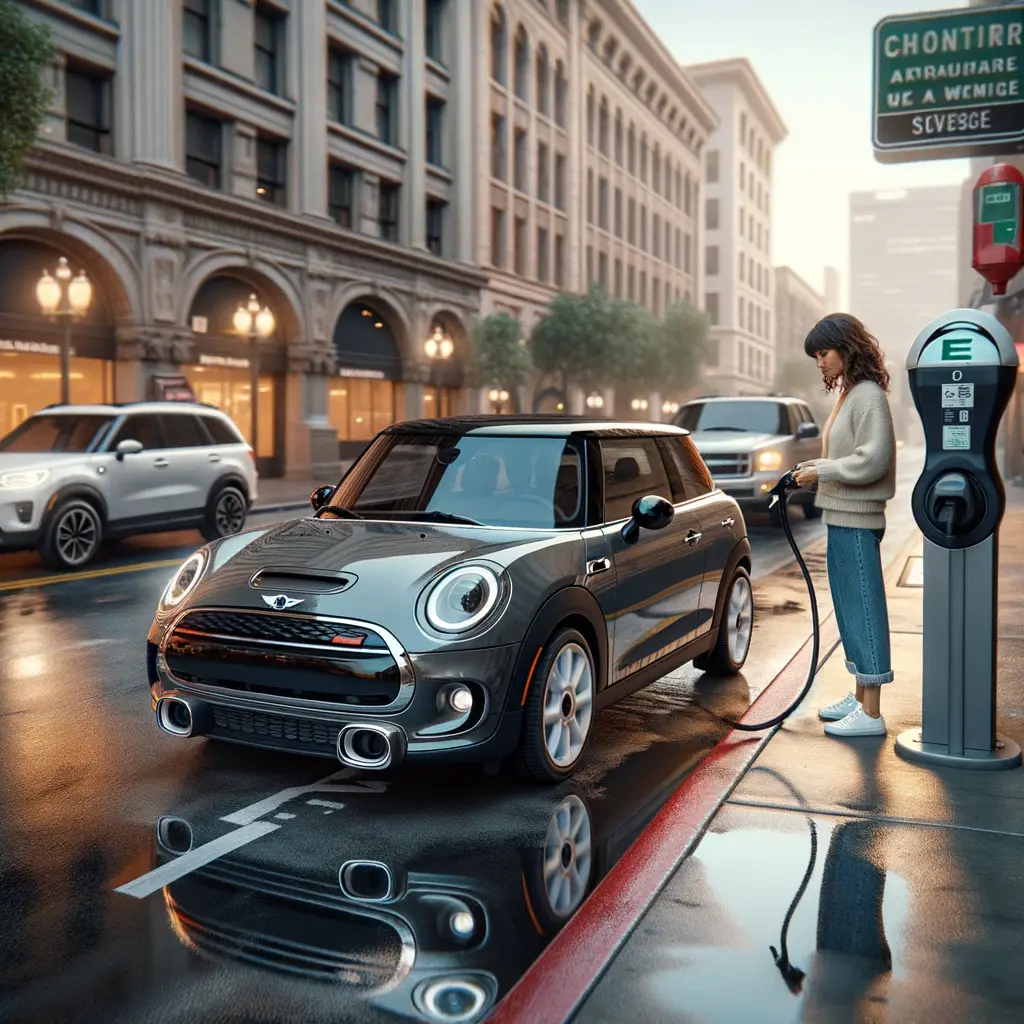
If you prioritize style and agility over raw mileage, the Mini Cooper SE is a compelling member of the cheapest electric cars club. Priced right around $32,000, the SE pairs the brand’s trademark go-kart handling with a compact 28.9-kWh battery. EPA says 114 miles, yet Edmunds squeezed out 129 miles in its own electric car range comparison loop. True, that figure won’t satisfy frequent highway travelers, but it nails the urban sweet spot: short distances, abundant Level-2 chargers and tight parking. The chic, minimalist cockpit features circular displays, high-quality switchgear and endless customization options, from Union Jack mirror caps to vibrant roof colors. Leasing currently unlocks the full $7,500 EV tax credit 2024, trimming the effective price below $25K in some regions. Mini also confirmed a fully redesigned version for 2025, promising 200+ miles and a sleeker interior, so bargain hunters may find additional dealer incentives on the outgoing model as inventories clear. Alternatives in the same micro-EV niche include the Fiat 500e (returning to the U.S. soon) and the Honda-GM co-developed Acura-style subcompact slated for late 2024. Interested readers can check our guide to EV charging setups at apartments for practical tips on living with a short-range EV in the city.
Most Affordable Electric SUVs: Hyundai Kona EV & Chevy Equinox
Crossovers dominate American driveways, so it’s no surprise manufacturers are racing to deliver the most affordable electric SUVs. The redesigned Hyundai Kona EV arrives this spring with a projected base price near $34,000 and a claimed 260-mile range from its 64.8-kWh pack. While final EPA numbers are pending, the gas-powered Kona already impressed reviewers with spacious rear seats, a tech-rich 12.3-inch infotainment screen and quirky yet handsome styling. Because production occurs in Korea, it currently misses out on direct EV tax credit 2024 eligibility, though Hyundai hints at future U.S. assembly that could change the calculus. Chevrolet’s Equinox EV, meanwhile, aims squarely at the heart of the market. Officially listed at “about $36,000,” the single-motor front-wheel-drive trim should deliver an impressive 319 miles, topping many rivals that cost thousands more. Early hands-on previews reveal generous passenger volume, Google-based infotainment and vibrant 17-inch center displays. Be aware that GM is phasing out Apple CarPlay and Android Auto; tech-savvy buyers may want to test the native software before signing. Both models demonstrate how the most affordable electric SUVs can exceed 300 miles without crossing the $40K threshold. If you need towing specs or battery-preconditioning details for winter driving, see our cold-weather EV guide for additional insights.
Stretching Your Budget: Volvo EX30 and Tesla Model 3 Deals
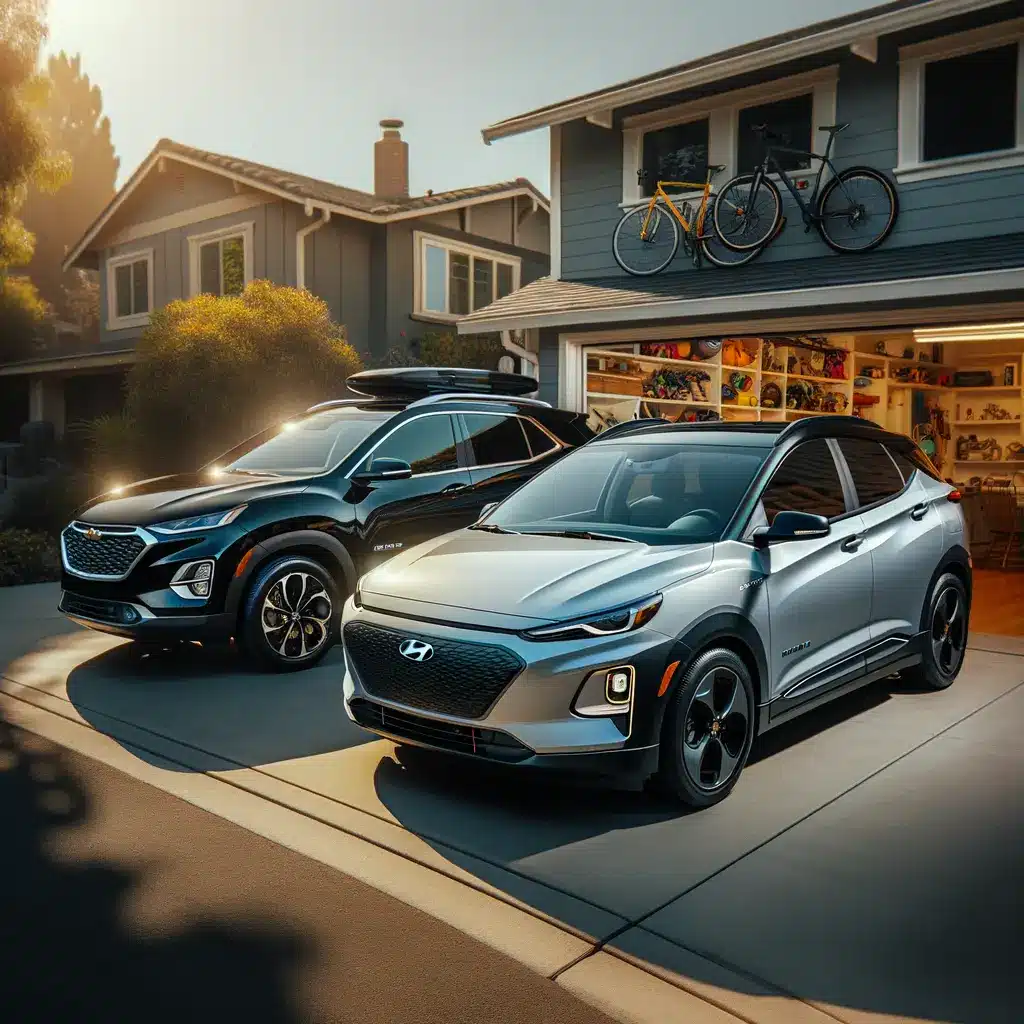
Sometimes spending a little more unlocks significantly greater capability. Enter the Volvo EX30 and refreshed Tesla Model 3, two vehicles that blur the line between the cheapest electric cars and entry-level luxury. Volvo’s Scandinavian-styled EX30 starts at roughly $36,000 and offers up to 275 miles of range in rear-motor form. Its cabin channels minimalist chic: recycled textiles, back-lit wood inlays and a large central portrait screen that consolidates nearly every function. The footprint is petite—over a foot shorter than a Model Y—yet cargo space is smarter than the numbers suggest thanks to a split-level floor. Leasing may secure the federal incentive otherwise unavailable due to overseas production, effectively undercutting rivals by another $7,500. The Tesla Model 3 remains a benchmark, even after countless price fluctuations. The 2024 single-motor rear-wheel-drive variant lists for about $40,000 and claims 272 miles of range. Tesla’s Supercharger network, now opening to other brands, still provides the most seamless long-distance experience. Recent updates introduce acoustic glass, softer suspension tuning and a sleeker nose that reduces drag. While no Tesla has ever exceeded its EPA estimate in Edmunds testing, real-world figures are close, and over-the-air software tweaks continue to improve efficiency. Shoppers comparing these two should weigh Volvo’s traditional build quality and Apple CarPlay support against Tesla’s market-leading charging advantage. For a deeper dive into software features like sentry mode and driver profiles, explore our EV tech glossary.

Conclusion: Picking the Cheapest Electric Cars with Confidence
Choosing among the cheapest electric cars is easier when you frame the decision around your daily routine, charging access and long-term ownership goals. Urban dwellers who rarely exceed 60 miles per day will thrive in compact options like the Mini Cooper SE, while commuters with longer freeway stretches might favor the Nissan Leaf Plus or Hyundai Kona EV. Families looking for the most affordable electric SUVs should shortlist the Chevy Equinox for its projected 300-plus-mile range and roomy cabin. Buyers craving premium touches can still remain value-oriented by considering the Volvo EX30 or the newly refreshed Tesla Model 3. Remember to factor in home-charging installation, possible utility rebates and insurance—areas where electric vehicles often save money over time. Use our electric car range comparison table to see how each model performs in real-world testing, and don’t forget state-level incentives that can stack on top of the EV tax credit 2024. Finally, test-drive at least two vehicles back-to-back; the instant torque and regenerative-braking feel can vary widely. With battery warranties running eight years or more, today’s budget EVs offer peace of mind as well as planet-friendly driving. By leveraging the resources linked throughout this article—like our EV maintenance cost analysis and charging-infrastructure guide—you’ll drive away confident that your new electric ride truly represents the best value for 2024.