
Why the Canada Travel Boycott Took Off
The Canada travel boycott has shifted from a social media slogan to a measurable economic force in barely twelve months. Border crossings have plunged 30 %, air arrivals are down 24 %, and Canadian credit-card spending in U.S. ZIP codes has fallen off a cliff. Behind those numbers are millions of individual decisions—families cancelling Disney vacations, retirees shelving Florida condo rentals, and entrepreneurs booking meetings in Toronto instead of Seattle. According to Statistics Canada, January 2026 alone saw 960,000 fewer southbound trips than the year before. That single-month gap removed roughly US$480 million from American hotels, restaurants, and duty-free tills. Google Trends shows search interest for the phrase “Canada travel boycott” soaring since early 2025, outpacing queries for “U.S. border wait times” for the first time on record. The boycott sentiment is not confined to one province or political stripe; surveys by Angus Reid find support exceeding 70 % in every region. What started as consumer frustration has crystallised into a pocket-book protest powerful enough to rattle Wall Street forecasts. As we unpack the roots, ramifications, and possible resolutions of the Canada travel boycott, keep an eye on the primary drivers: tariffs, tightening border rules, and a growing desire for economic self-reliance. Internal link idea: explore how exchange-rate swings also influence cross-border shopping habits.

Tariffs and Politics: The Spark Behind Canada–US Travel Friction
The spark that ignited the Canada travel boycott was President Donald Trump’s February 2025 decision to slap 25 % tariffs on Canadian steel, aluminium, and a basket of consumer goods. While trade disputes are nothing new, the accompanying rhetoric—calling Canada a “potential 51st state”—angered voters across the political spectrum. Within days, former Prime Minister Justin Trudeau urged consumers to pick home-grown brands, and provincial premiers amplified the call. Policy feedback loops followed: Alberta invested CA$5 million in a “Buy Canadian” ad blitz, and Manitoba doubled its domestic-tourism budget. The political theatre turned personal when U.S. Customs rolled out expanded fingerprinting and social-media history checks for visitors. Two-thirds of respondents in an Angus Reid poll said the new rules made them less likely to cross the border. Hashtags such as #BoycottTheBorder and #SpendItNorth dominated Canadian Twitter, reinforcing the Canada travel boycott narrative each time a traveller posted about a seized cheese wheel or an invasive phone search. Trade-policy scholars note that travel is often the first consumer lever pulled during geopolitical flare-ups because vacations are discretionary. Similar patterns emerged during the 2003 Iraq War when French travel to the U.S. dipped 18 %. In classroom terms, tariffs were the match, but pride, privacy, and politics supplied the tinder that keeps the boycott burning. Internal link idea: read our explainer on how the Canada US trade war affects grocery prices.
Counting the Costs: US Tourism Losses and Airline Cutbacks
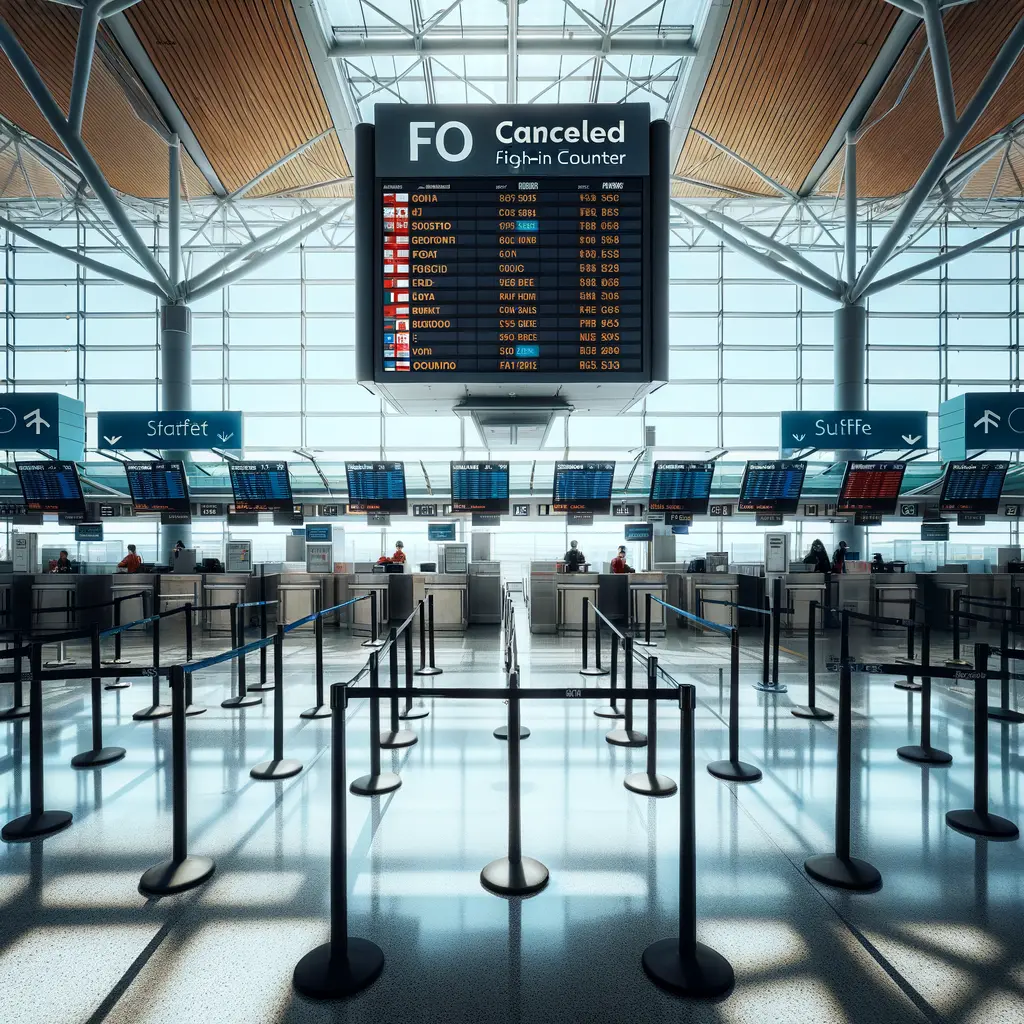
Tourism Economics estimates that the Canada travel boycott wiped out US$4.5 billion in visitor spending during 2025 alone, a figure equal to the entire annual tourism take of New Orleans. Airlines were first to feel the pinch. OAG schedules data show carriers removed 450,000 seats from Canada–US routes in Q1 2026, a 10 % capacity hit. WestJet axed service to ten U.S. cities, Air Canada trimmed frequencies to hubs such as Chicago and San Francisco, and leisure specialist Air Transat exited the U.S. market entirely. The revenue fallout extends far beyond ticket sales. Airports like Orlando, Phoenix, and Las Vegas report double-digit drops in parking, concession, and slot fees tied to declining Canadian arrivals. Hotel occupancy in Florida’s Broward County—long a magnet for Canadian snowbirds—slid from 78 % to 66 % year-over-year. Retail tells a similar story: duty-free sales at land crossings collapsed 40–50 %. Analysts tracking credit-card data see per-capita spend by Canadian visitors shrinking from US$680 to US$515. Those numbers add up quickly when Canadians normally account for 28 % of all international arrivals. As losses mount, chambers of commerce in border towns from Buffalo to Blaine are lobbying Washington for a softer customs posture, fearing a structural shift that may never fully reverse. Internal link idea: our case study on Niagara Falls’ cross-border marketing illustrates similar challenges.
Where Canadians Are Going Instead of the US
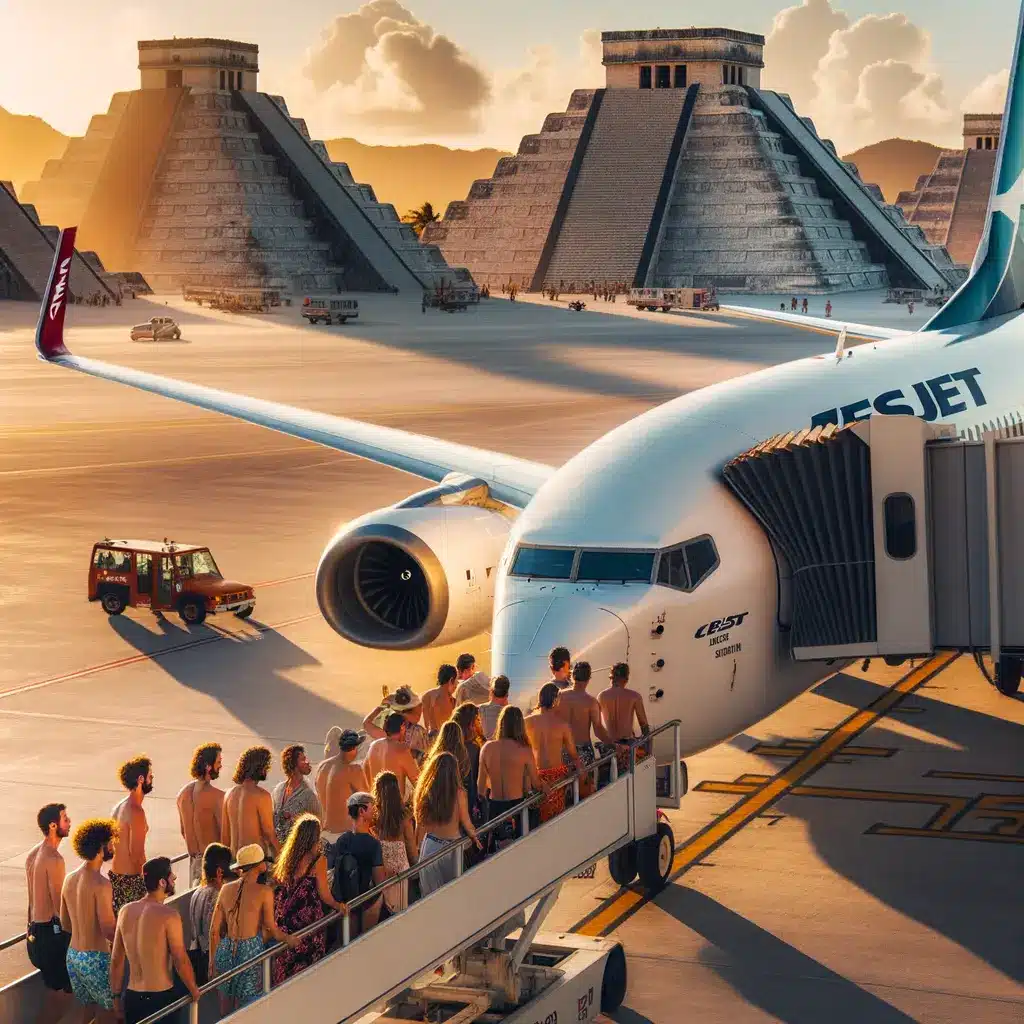
If Canadians are not skiing in Vermont or lounging on Gulf Coast beaches, where are they? Data from Flight Centre and Amadeus reveals a 15.7 % surge in Canada–Mexico bookings, making Toronto-Cancún the busiest international route into Mexico for the first time. WestJet alone now controls 52 % of that market, operating up to six daily departures in peak season. Caribbean islands are benefitting too; Dominican Republic arrivals from Canada climbed 12 %, and Cuba rebounded despite lingering travel hurdles. Europe is another winner, fuelled by a strong loonie against the euro and attractive stopover deals via Iceland and Ireland. Even domestic tourism is booming. Parks Canada recorded a record 17 million visitor nights in 2025, while BC Ferries added sailings to accommodate Vancouver Islanders holidaying within the province. The flight-diversion trend illustrates the elasticity of leisure spending: dollars do not disappear, they redeploy. Yet the Canada travel boycott has secondary effects. Insurance firms report higher claims from unfamiliar driving conditions in Mexico, and Canadian airports face congestion during southbound holiday peaks. Travel advisors suggest that once families discover an all-inclusive in Playa del Carmen, they are less likely to revert to a Tampa condo next year, reinforcing long-term displacement of U.S. market share. The diversification of getaway choices could make the boycott’s impacts stickier than politicians anticipate.
Policy Moves: How Both Countries Are Reacting to the Boycott
Faced with mounting US tourism losses, state and municipal officials have launched creative woo-back campaigns. Palm Springs erected roadside billboards proclaiming “Palm Springs Loves Canada,” while Las Vegas rolled out a city-wide ‘Fab Five-Day Sale’ with bundled show tickets and free baggage allowances. California’s tourism board spent US$8 million on digital ads geo-targeted to Montreal smartphones, emphasising beaches over politics. Yet early analytics show click-through rates 22 % lower than pre-boycott campaigns, underscoring the uphill climb. In Ottawa, policymakers are doubling down on domestic promotion rather than discouraging the Canada travel boycott. Destination Canada’s 2026 plan allocates CA$136 million to boost inter-provincial itineraries, funding Indigenous tourism operators and rail passes that rival U.S. road trips. Trade circles hint at a thaw: Congressional subcommittees have debated rolling back the 25 % tariffs, citing pressure from automotive suppliers in Michigan and Ohio. Still, privacy rules at the border remain contentious; proposed five-year social-media disclosure requirements could deter as many as 1.2 million visitors yearly, according to the World Travel & Tourism Council. Economists warn that if both nations fail to coordinate, a classic hysteresis effect may take hold—lost travellers never return even after barriers fall. This policy stalemate keeps the Canada travel boycott firmly in the headlines and in family budgeting spreadsheets.

Will the Canada Travel Boycott End? Key Takeaways for Travellers
Travel habits, once altered, are notoriously sticky. Industry forecasters now attach a 60 % probability to a ‘structural shift’ scenario in which Canadian market share for U.S. tourism never fully returns to pre-2025 levels. That means the Canada travel boycott could transition from a temporary protest to the new normal. For consumers, the immediate lesson is to anticipate continued airfare volatility on trans-border routes—low frequencies mean higher prices and less schedule choice. Conversely, deals to Mexico, Europe, and even Atlantic Canada are likely to stay attractive as carriers redeploy capacity. Small businesses that once relied on Canadian snowbirds must diversify, tapping domestic U.S. travellers or international segments less sensitive to politics. On the policy front, removing punitive tariffs and easing data-collection rules would send a powerful gesture, but rebuilding trust may require joint tourism initiatives similar to the post-9/11 ‘Smart Border’ accord. Until then, the phrase “Canada travel boycott” will remain embedded in TripAdvisor threads and booking-engine filters alike. Savvy travellers should monitor exchange rates, cancellation policies, and evolving entry requirements before committing deposits. The broader takeaway is clear: leisure travel is more than sun and souvenirs—it is a barometer of bilateral relations. Whether you choose Banff, Barcelona, or Boston, each booking becomes a quiet vote in a cross-border economic referendum.