Why Choosing the Best Fitness Tracker 2026 Matters
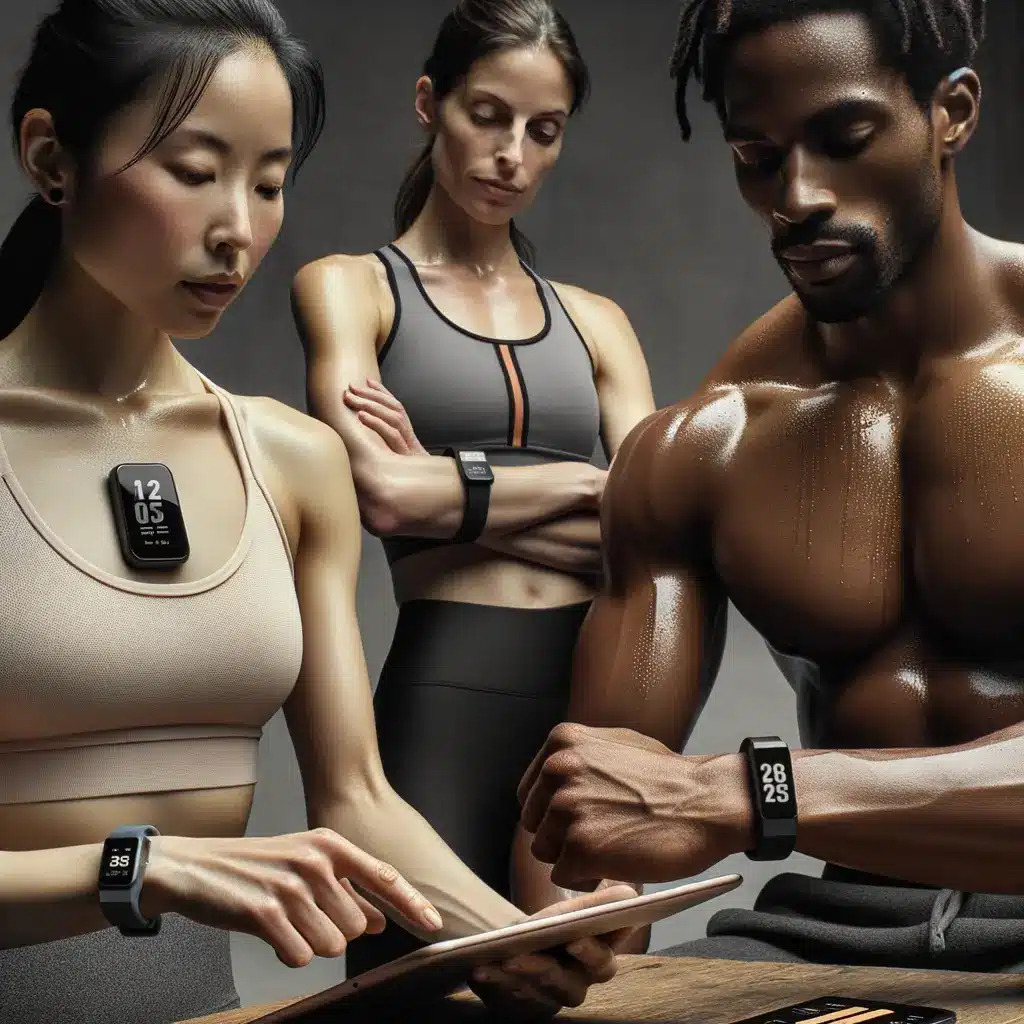
Fitness wearables have evolved fast, and 2026 brings the most powerful crop yet. Picking the best fitness tracker 2026 is no longer about counting daily steps; it is about finding a health-tech partner that understands your body, guides recovery, and even coaches you in real time. Whether your priority is VO₂-max data for marathon prep, discreet overnight recovery metrics, or simply an affordable wristband that nudges you off the couch, the market now offers something for every lifestyle.
Before we dive into the full fitness tracker comparison, remember that the right choice depends on your goals. Competitive athletes will gravitate toward strain and readiness analytics, while casual users might just want a comfortable device that slips under a shirt cuff. Battery life, subscription costs, and ecosystem lock-in are just as important as sensor accuracy. As you read, keep a mental note of your must-haves and nice-to-haves so the final decision becomes easy.
Throughout this guide we will reference proven training principles. If you are new to heart-rate-zone work, check our detailed heart rate zone training article for context; and for nutrition logging tips, our macro-tracking guide pairs perfectly with whichever wearable you select. By the end, you will know exactly which device deserves the title of best fitness tracker 2026 for you personally.

Key Criteria in a Fitness Tracker Comparison
With hundreds of models on store shelves, a structured fitness tracker comparison helps you separate hype from helpful. Start with sensor quality: modern photoplethysmography (PPG) sensors and skin-temperature thermistors underpin accurate heart-rate variability and sleep staging. Devices such as the Whoop 5.0 and Aura Ring 4 employ multi-LED arrays to reduce motion artefacts, while the Garmin Vivoactive 6 adds multi-GNSS for tighter outdoor routing.
Battery life is next. Ultra-bright OLED screens look fantastic, but they drain quickly. If you cannot imagine nightly charging, gravitate toward devices offering at least a week between top-ups—vital for overnight recovery tracking. On-device versus app-only displays also matter: screen-less bands like Whoop eliminate distractions but force constant phone checks.
Ecosystem is another deciding factor. Apple Watch Series 11 fitness data shines inside Apple Health and Fitness+, whereas Garmin Connect excels for granular training load analytics. Fitbit’s integration with Google Wallet, Maps, and YouTube Music may sway Android users who want smart-watch perks at a bargain price.
Finally, calculate total cost of ownership. Several of 2026’s headline wearables charge monthly fees to unlock readiness scores or guided programs. Add twelve months of subscription to the sticker price so you are not surprised later. Keep these pillars—sensors, battery, ecosystem, and cost—in mind as we assess each contender for the crown of best fitness tracker 2026.
Whoop 5.0 – Pure Data for High-Performance Athletes
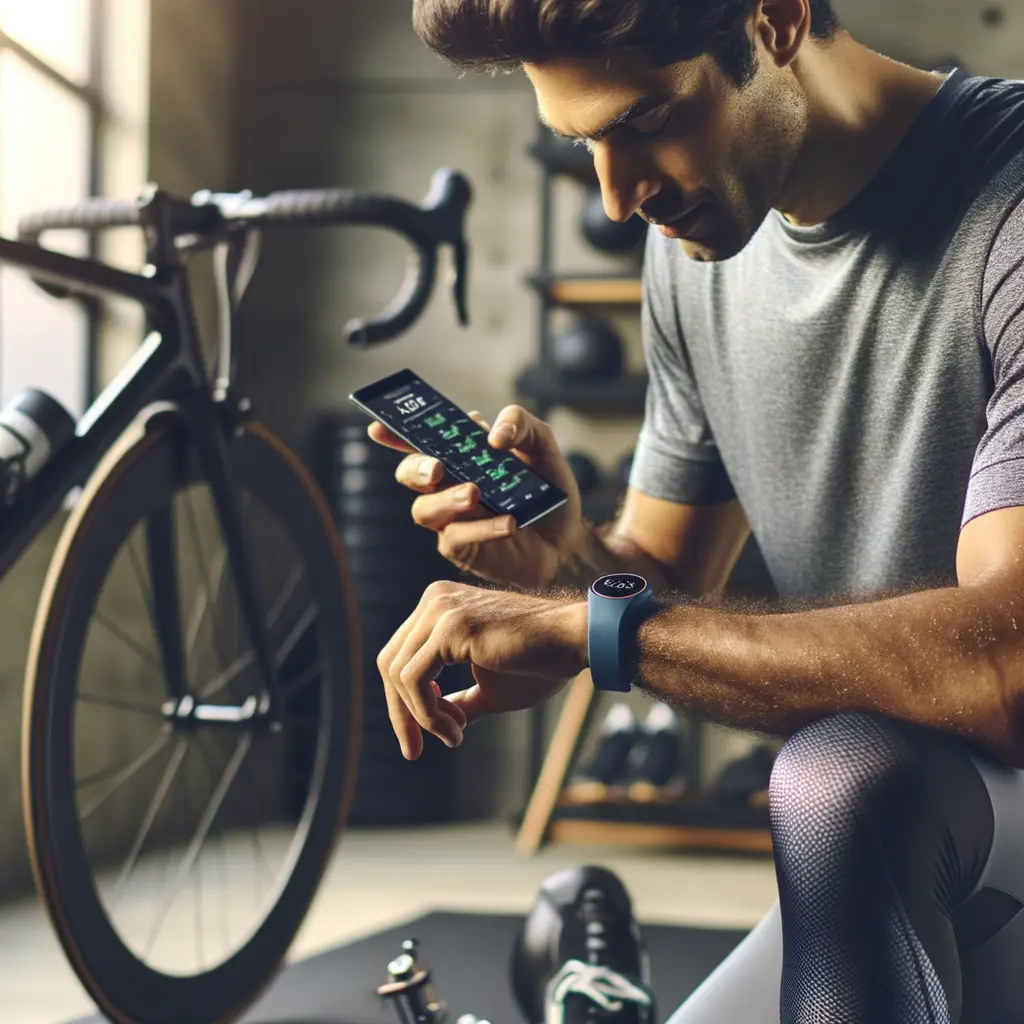
Whoop 5.0 stakes its claim on raw physiological insight rather than flashy screens. The 7 % smaller body and 60 % faster processor hide a serious engineering leap: four-channel PPG, skin-temperature diodes, and a three-axis accelerometer working together to model cardiovascular load, recovery, and sleep depth. With up to 14 days of battery life and a wireless power pack that itself lasts 30 days, you can wear Whoop through training blocks, red-eye flights, and race day with zero downtime.
Open the companion app and strain, recovery, and sleep scores greet you—colour-coded for at-a-glance coaching. An endurance athlete in a build phase might see a 17.8 strain score and a moderate 68 % recovery, prompting an aerobic session instead of planned intervals. Night-time respiratory rate spikes? The app flags potential illness before symptoms surface.
The trade-off is a subscription that starts at $199 per year. Stop paying and the band becomes an inert bracelet. There is also no onboard display, which some users find inconvenient for mid-workout heart-rate checks. However, for data-driven users chasing marginal gains—and willing to budget for analytics—Whoop 5.0 remains a front-runner in the race for best fitness tracker 2026.
Internal link opportunity: our deep dive on interpreting heart-rate variability pairs perfectly with maximizing Whoop insights.
Garmin Vivoactive 6 Review: Feature-Rich Mid-Range Smartwatch
If you crave a bright AMOLED display yet refuse to compromise on endurance, the Garmin Vivoactive 6 hits the sweet spot. Retailing at $299, this smartwatch maintains the 11-day battery life of its predecessor while adding multi-GNSS satellite support for improved route accuracy on dense city runs. In everyday use, the 1.4-inch panel stays readable under noon sun, and the responsive side buttons complement the touchscreen when sweat makes swipes unreliable.
Training tools rival higher-tier Forerunner models: VO₂-max estimates, Training Load, HRV status, and over 30 native sport profiles, including strength workouts that auto-detect reps. Pair ANT+ accessories—power meters, heart-rate straps, even Garmin Varia smart lights—and the watch morphs into a capable cycling head unit.
Health monitoring is equally robust. Body Battery combines stress data and sleep quality into a simple gauge so you can plan sessions intelligently. Although the interface lacks the polish of watchOS, Garmin Connect’s web dashboard still offers one of the richest data portals on the market.
Downsides? No dual-band GPS, meaning potential route drift under skyscrapers, and you will not get the third-party app ecosystem Apple enjoys. Still, as this Garmin Vivoactive 6 review shows, few devices deliver so much training depth for so little money—cementing its place in any serious fitness tracker comparison and keeping it in contention for the best fitness tracker 2026 title.
Apple Watch Series 11 Fitness Power & Budget Options Explained
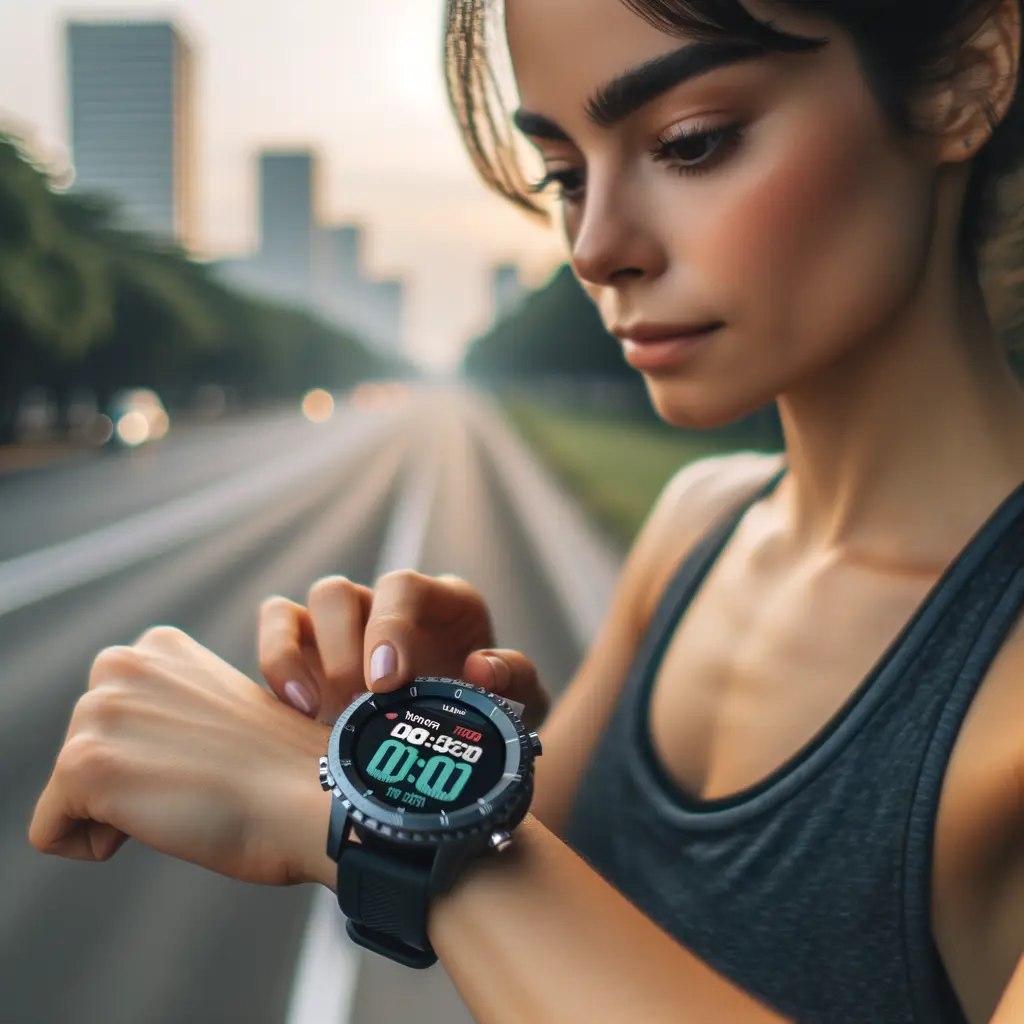
Apple Watch Series 11 arrives with modest design tweaks but several fitness-centric upgrades. The stronger ion-X glass resists scratches on trail runs, while 24-hour battery life finally allows a full day of notifications plus an evening HIIT class. New hypertension alerts and restored blood-oxygen monitoring broaden the Apple Watch Series 11 fitness toolkit, and the AI Workout Buddy suggests adaptive training blocks that sync seamlessly with Fitness+. Yet nightly charging remains mandatory if you want consistent sleep data—a deal-breaker for some.
At the other end of the form-factor spectrum sits Aura Ring 4. Lightweight titanium, eight-day battery life, and class-leading sleep staging make it ideal for users who dislike wristwear. However, $349 upfront plus a $5.99 monthly plan and limited activity tracking curb its appeal for endurance athletes.
Finally, the wallet-friendly Fitbit Charge 6 keeps things simple. For $159 (and often on sale around $123), you get built-in GPS, a physical side button for sweaty sessions, and 40+ exercise modes. Bluetooth heart-rate broadcasting to gym equipment feels futuristic at this price. Accuracy during sprints still lags chest straps, and you will want to explore Fitbit Premium to unlock the best Fitbit Charge 6 features—but the value proposition is undeniable.
If cost is king, the Charge 6 might edge out pricier rivals in your personal best fitness tracker 2026 shortlist.
Which Is the Best Fitness Tracker 2026 for You? Final Thoughts
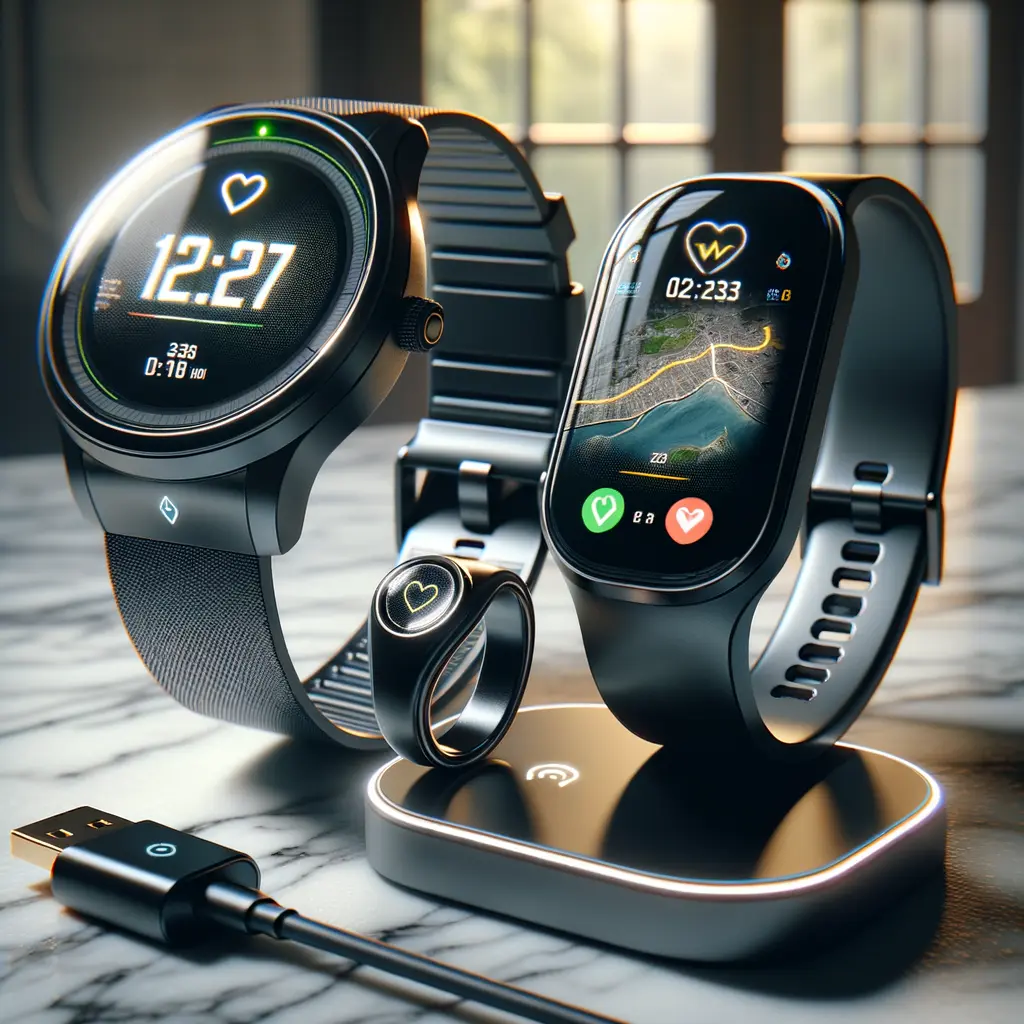
You now know the strengths and trade-offs of 2026’s standout wearables. If deep physiological insight and hands-free charging excite you, Whoop 5.0 may be the best fitness tracker 2026 for performance optimisation. Need balanced smart-watch convenience and multisport chops? The Garmin Vivoactive 6 stands tall. iPhone devotees who crave tight ecosystem hooks will gravitate to Apple Watch Series 11 fitness capabilities, while minimalists might slip on the Aura Ring 4 for invisible overnight analytics. Budget-minded athletes should never overlook the robust—yet affordable—Fitbit Charge 6 features.
Still undecided? Draw up a simple matrix listing price, battery life, subscription costs, display preference, and must-have sensors. Weight each category according to your goals: marathon training, strength gains, weight-loss accountability, or general wellness. The tracker scoring highest on your personalised matrix will almost certainly prove the best fitness tracker 2026 for your lifestyle.
Before you order, skim our guide to building a minimalist home gym and our review of the top hydration tracking bottles—both pair perfectly with your new wearable. And of course, watch the embedded video above for a visual walk-through of every device discussed.
Whichever path you choose, commit to consistency. Even the most advanced wearable cannot log workouts you never start. Strap in, sync up, and make 2026 the year your data powers real, measurable progress.