Apple Glasses Leak Round-Up: Why Everyone’s Talking About Apple’s Next Big Thing
Apple Glasses have jumped from rumor-mill chatter to front-page headlines thanks to a flood of new leaks. According to reports from Bloomberg’s Mark Gurman and 9to5Mac, Apple has paused development of the next-gen Vision Pro to fast-track its first pair of intelligent spectacles. That single decision underscores how important Apple Glasses are to the company’s wider wearables strategy. Unlike the bulky mixed-reality headset, these lightweight frames aim to blend seamlessly into daily life—bringing contextual audio prompts, hands-free photo capture and Siri-powered assistance directly to your field of view.
For consumers, the prospect of true mainstream smart eyewear is huge. Imagine receiving turn-by-turn walking directions without pulling out your iPhone, or getting instant language translation whispered discretely through tiny speakers embedded in the temples. Developers, meanwhile, see a fresh canvas for new apps, just as the Apple Watch spurred an entire wave of micro-interactions.
Of course, questions about the final hardware, software and, most crucially, the Apple Glasses price remain. This article compiles the eight biggest leaks—hardware specs, chip details, Apple Intelligence integration and that all-important apple smart glasses release date—so you’ll know exactly what to expect. If you missed our deep dive on the Vision Pro launch timeline, be sure to read our internal piece on Apple’s headset history for additional context.

Strategic Shift: Apple Pauses Vision Pro to Fast-Track Apple AR Glasses
One of the most telling clues about Apple’s priorities came when insiders revealed that the company has paused work on a second-generation Vision Pro and an entry-level “Vision Air.” Resources have reportedly been reallocated to the lighter, more affordable Apple AR Glasses. Apple learned two critical lessons from Vision Pro’s rollout: heavy headsets limit mainstream appeal, and pricing north of $3,000 severely narrows the audience.
By accelerating Apple Glasses, Cupertino can challenge Meta’s Ray-Ban Stories and stay ahead of Samsung’s upcoming Android-powered frames. Apple’s wearable roadmap is now crystal-clear: dominate ear (AirPods), wrist (Apple Watch) and face (Apple Glasses) to build an always-on ecosystem powered by Apple Intelligence.
From an engineering perspective, slimming the device down while maintaining battery life required ditching full augmented-reality displays in the first generation. Instead, leak number two indicates Version 1 will prioritize outward-facing cameras, beam-forming microphones and tiny open-ear speakers. Think of them as a super-charged voice assistant with point-and-shoot photo skills—more than enough functionality to entice early adopters and developers looking to extend existing iPhone apps.
Curious about how Vision Pro’s supply chain reassignments affect Apple Silicon production? Check our analysis of A-series chip allocation for additional insight and potential bottlenecks ahead of the Apple smart glasses release date.
Hardware Deep Dive: Cameras, Speakers and the New Custom Chip
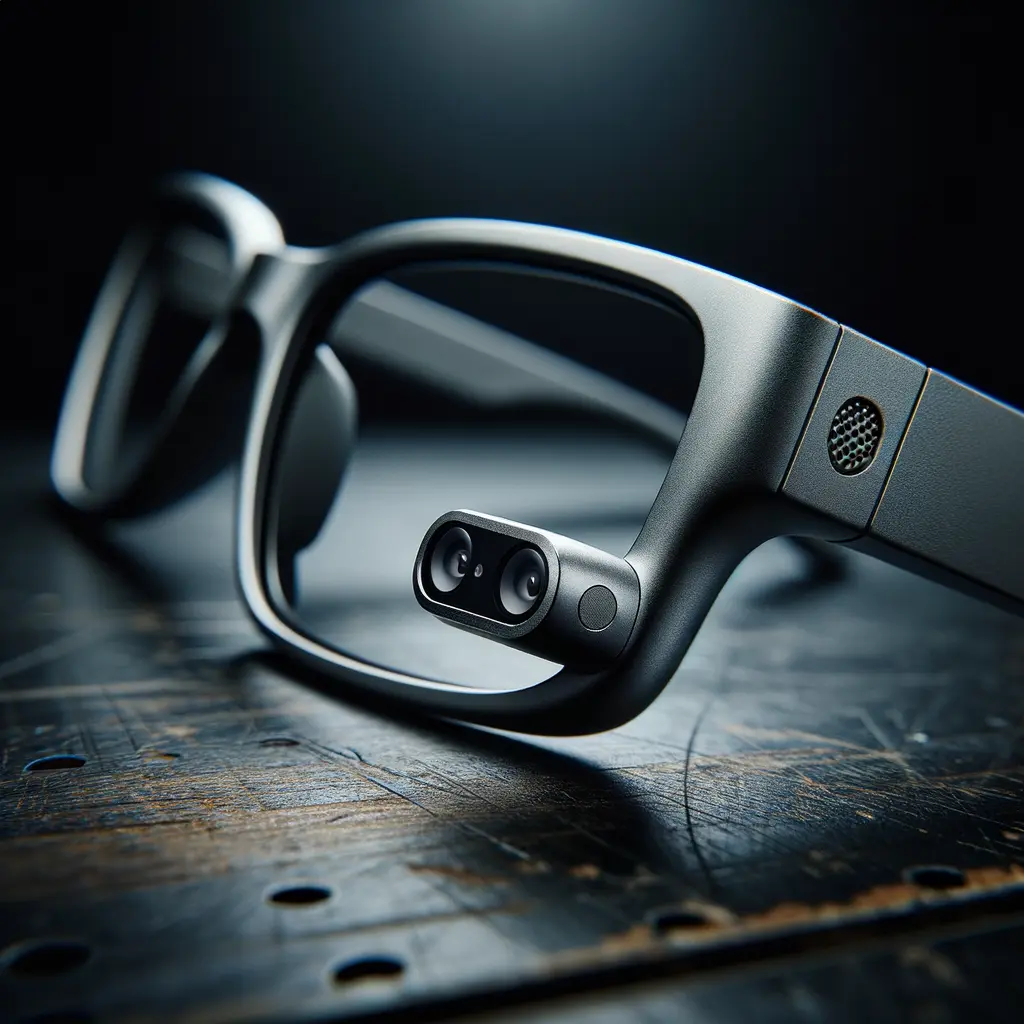
Leak number four delivers our clearest picture yet of Apple Glasses hardware. Expect multiple 4-megapixel cameras discreetly embedded near the hinges—perfect for stabilized POV video and spatial photo capture. Open-ear speakers similar to those in the latest AirPods provide directional audio without blocking ambient sound, while beam-forming mics isolate your voice for clear Siri commands even on a busy street.
The most intriguing component is a brand-new Apple-designed SoC, rumored to be fabricated on a 3-nanometer process. Unlike A-series chips optimized for smartphones or M-series built for Macs, this unnamed silicon focuses on ultra-low-power computer-vision tasks: object recognition, on-device language processing and secure pairing over Bluetooth LE. Industry analysts believe the chip will also include a UWB module for precise spatial awareness—useful for Find My tracking or triggering contextual prompts as you approach smart-home devices.
Material leaks point to lightweight aluminum alloy frames with interchangeable prescription lenses, addressing one of the biggest barriers Ray-Ban Meta glasses faced. Apple Glasses therefore promise comfort for all-day wear, a prerequisite for mainstream success.
Below this section, we’ve embedded our full video breakdown of every hardware rumor if you’d like a visual tour. And if comparing camera specs is your thing, our article on iPhone 16 sensor upgrades offers useful context for how Apple reallocates imaging tech across product lines.
Software Powerhouse: Apple Intelligence & Siri on Your Face
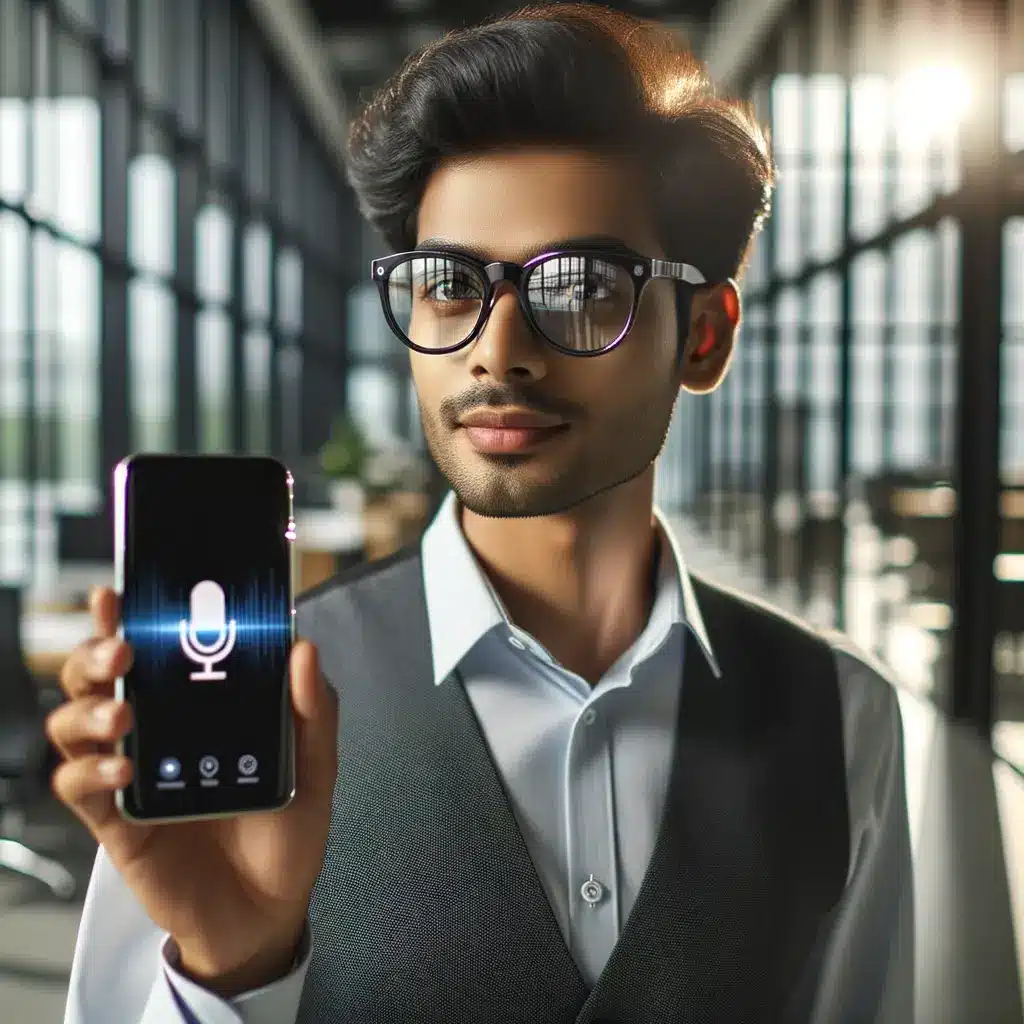
Hardware is only half the story. Apple Intelligence—the company’s privacy-first generative AI framework—will make Apple Glasses feel truly magical. According to leak number five, a revamped Siri will tap the Gemini-powered language models Apple is co-developing with Google. Ask, “What building am I looking at?” and the glasses capture a frame, run on-device object recognition, and read out historical facts through the open-ear speakers. Need quick translations abroad? The same pipeline handles offline language processing, eliminating roaming-data anxieties.
Seamless pairing with an iPhone, iPad or Mac unlocks deeper features. When you start writing an email on MacBook Pro, Apple Intelligence can push a discreet draft outline to your glasses so you can dictate revisions while walking to a meeting. Apple Watch hand-gestures—already in watchOS 11—could double as input shortcuts, like squeezing your fingers to snap a photo.
Privacy remains central. On-device processing minimizes cloud dependence, and the outward-facing LED indicators will illuminate whenever cameras record—mirroring Vision Pro’s transparency principles. For developers, Apple is expected to release a new GlassKit API at WWDC 2026, enabling glanceable AR overlays in second-gen models. If you build iOS widgets today, start studying Swift’s ObjectCapture framework; you’ll be ahead of the curve when the Apple AR Glasses SDK drops.
For more on Apple Intelligence’s privacy safeguards, refer to our explainer on Secure Enclave enhancements in iOS 20.
Release Date & Price: When Will Apple Smart Glasses Arrive and at What Cost?
Both Mark Gurman and analyst Ming-Chi Kuo agree: the first public unveiling of Apple Glasses will likely happen at WWDC 2026, with retail availability by Q4 2026 or early 2027. That window gives developers six to eight months to adapt apps using the forthcoming GlassKit and ensures manufacturing partners like Luxshare and Foxconn can ramp production without Vision Pro-scale delays.
Pricing, however, remains the great unknown. Ray-Ban Meta glasses start at $299, but Apple’s premium materials and custom silicon almost guarantee a higher sticker. Industry consensus pegs the opening Apple Glasses price around $399–$499, positioning them above an Apple Watch SE yet far below the $3,499 Vision Pro. Apple may also introduce optional prescription lens inserts, AppleCare+ coverage and a higher-storage “Pro” tier—mirroring its existing upsell playbook.
Importantly, skipping full AR displays in generation one keeps BOM (bill of materials) low and battery life acceptable, allowing Apple to test market appetite before investing in costlier micro-OLED screens for the 2028 model.
If you’re budgeting for next-gen devices, don’t miss our internal guide on saving for the iPhone 17 and Apple Car subscriptions—perfect companions for anyone eyeing the apple smart glasses release date.

What Apple Glasses Mean for Users, Developers and the Wearable Market
Apple Glasses could represent the biggest shift in personal tech since the original iPhone. For everyday users, they promise a frictionless way to access information without burying your face in a screen. Commuters might get real-time transit alerts whispered via Apple Intelligence; photographers gain a new perspective for hands-free shooting; fitness enthusiasts enjoy pace updates without glancing at a watch.
Developers, meanwhile, gain a fresh platform that rewards micro-interactions and context-aware services. Early movers who mastered WatchKit reaped huge engagement benefits; the same will hold true for GlassKit. Expect categories like navigation, language learning, accessibility tools and life-logging to explode.
Competitively, Apple’s entrance will legitimize the smart-glasses space much as Apple Watch validated wearables. Meta, Samsung and Google will have to accelerate their own offerings or risk ceding mindshare. Investors should watch supply-chain partners specializing in micro-cameras, bone-conduction speakers and low-power AI chips, as demand is set to spike.
Ultimately, the success of Apple Glasses hinges on balanced design, responsible privacy practices and a robust developer ecosystem—areas where Apple historically excels. If the company delivers on the leaked hardware and software roadmap, 2026 could mark the dawn of widespread face-based computing.
Stay tuned for updates as we inch closer to the official apple smart glasses release date, and check our comparison of Apple Watch Series 10 vs Ultra 3 to see how Cupertino’s broader wearable strategy is evolving.