
A New Era: Inside the Alaska Air Group Fleet 2026 Vision
The merger of Alaska Airlines and Hawaiian Airlines has created a powerhouse with more than 400 aircraft, and the combined operator is wasting no time shaping the future. By 2026, the Alaska Air Group fleet 2026 blueprint calls for a streamlined mix of next-generation Boeing and Airbus jets backed by an expansive regional network. The primary goal is efficiency: lower fuel burn, simplified maintenance, and stronger network connectivity between the Pacific Northwest and the Hawaiian archipelago. Integrating Hawaiian’s widebody strength with Alaska’s single-aisle dominance gives the group unmatched flexibility to deploy capacity where demand peaks. Firm orders for 105 Boeing 737 MAX 10s, options for 35 more, and the introduction of the ultra-economical 787-9 Dreamliner will underpin long-haul expansion from a new Seattle hub and reinforce West Coast–to–Hawaii links. Meanwhile, the clock is ticking on 24-year-old Boeing 717s, and the regional Embraer 175s continue to feed mainline banks. Expect cost savings from unified pilot training, aligned spare-parts inventories, and joint procurement of sustainable aviation fuel—initiatives management says could shave 15 percent off per-seat costs by 2026. For context on Boeing narrow-body evolution, see our in-depth guide to the 737 MAX family.
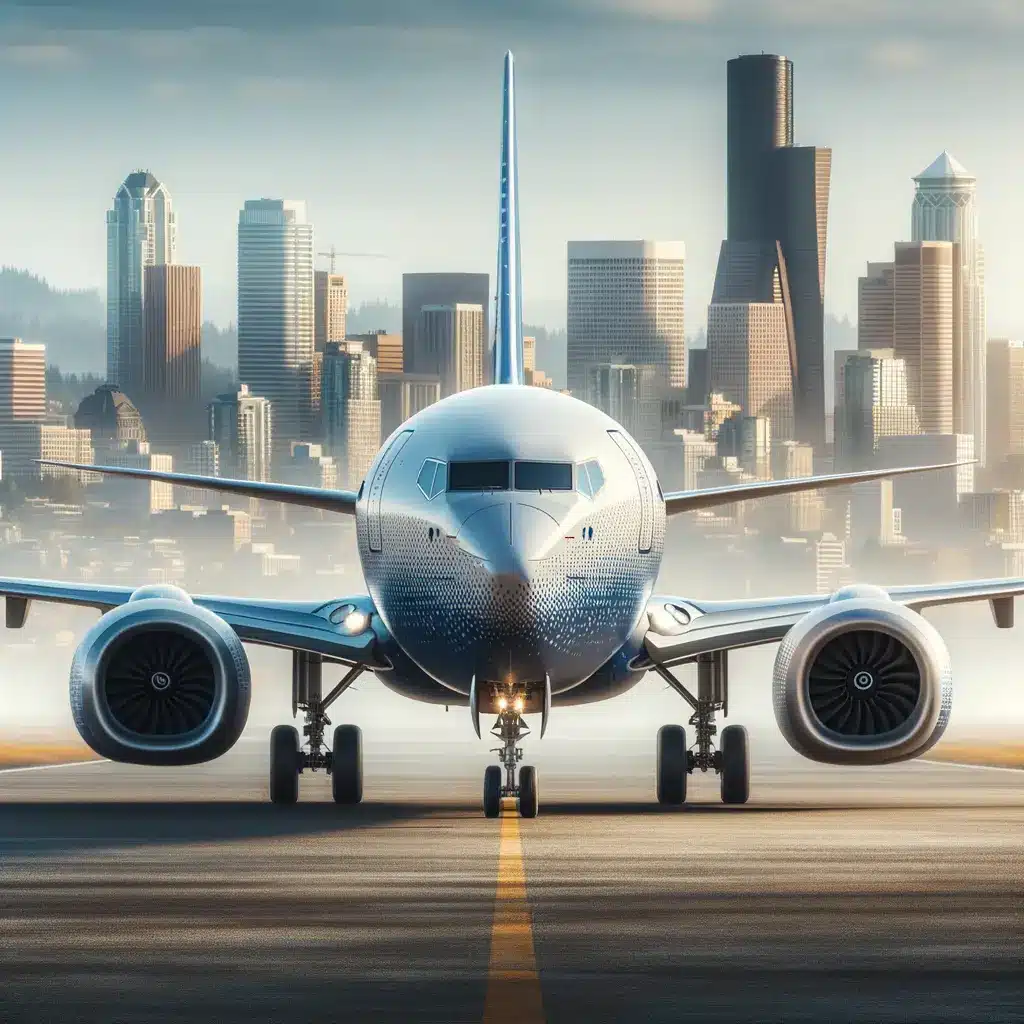
Single-Aisle Overhaul: The Record Alaska Airlines 737 MAX 10 Order
Alaska’s narrow-body revamp is the cornerstone of the Alaska Air Group fleet 2026 strategy. The headline is the Alaska Airlines 737 MAX 10 order—105 firm frames plus 35 options—set to replace aging 737-900ERs and the last 737-700s. MAX 10s seat up to 220 passengers, giving a 20 percent fuel-burn advantage over the aircraft they push out, according to Boeing’s own performance tables. Six additional MAX 8s will slot into thinner routes, while existing MAX 9s remain the sweet spot for mid-capacity West Coast markets. Fleet planners stress that a common cockpit across MAX variants keeps pilot transition training under two days and allows spare-parts pooling from Anchorage to San Diego. Notably, Alaska executives hinted at retiring Hawaiian’s 18 Airbus A321neos in favor of MAX family commonality—but only if delivery slots align. Analysts counter that A321neos beat the MAX 10 on hot-and-high performance into Maui and Kona, so a split fleet could survive. Either way, early 2026 will see the first MAX 10 revenue flight from Seattle to Denver, launching a coast-to-coast rollout. For broader context, check out our article on how airlines leverage bulk aircraft orders to negotiate better maintenance contracts.

Island Challenge: Choosing a Hawaiian Airlines 717 Replacement
The most complex puzzle in the Alaska Air Group fleet 2026 road map is the Hawaiian Airlines 717 replacement. With an average age of 24 years, the 717-200s that shuttle between Honolulu, Līhuʻe, Kahului, and Kona face rising maintenance costs and looming parts scarcity. Two prime candidates dominate the shortlist: the Airbus A220-100 and Embraer E195-E2. The A220 matches the 717’s 128-seat layout almost perfectly while boasting a 25 percent fuel-burn cut; Delta’s positive in-service data supports those claims. The E195-E2, slightly larger at up to 146 seats, offers comparable economics and already enjoys U.S. certification. A third, more radical route is up-gauging with the A319neo or Boeing 737 MAX 7 to accommodate growing inter-island demand, but runway length at Molokaʻi and Lānaʻi may limit those options. Alaska Air Group fleet 2026 planners must also weigh pilot commonality—Alaska crews are largely Boeing-centric—against Hawaiian’s established Airbus maintenance base. CFO Shane Tackett even floated expanding the current A321neo sub-fleet to justify sticking with Airbus. Insiders tell us a decision could arrive by Q4 2024, aiming for 2026 entry-into-service. Learn more about life-limited parts on aging narrow-bodies in our maintenance deep dive.
Dreamliners & A330s: Building the Alaska Airlines 787-9 Seattle Hub
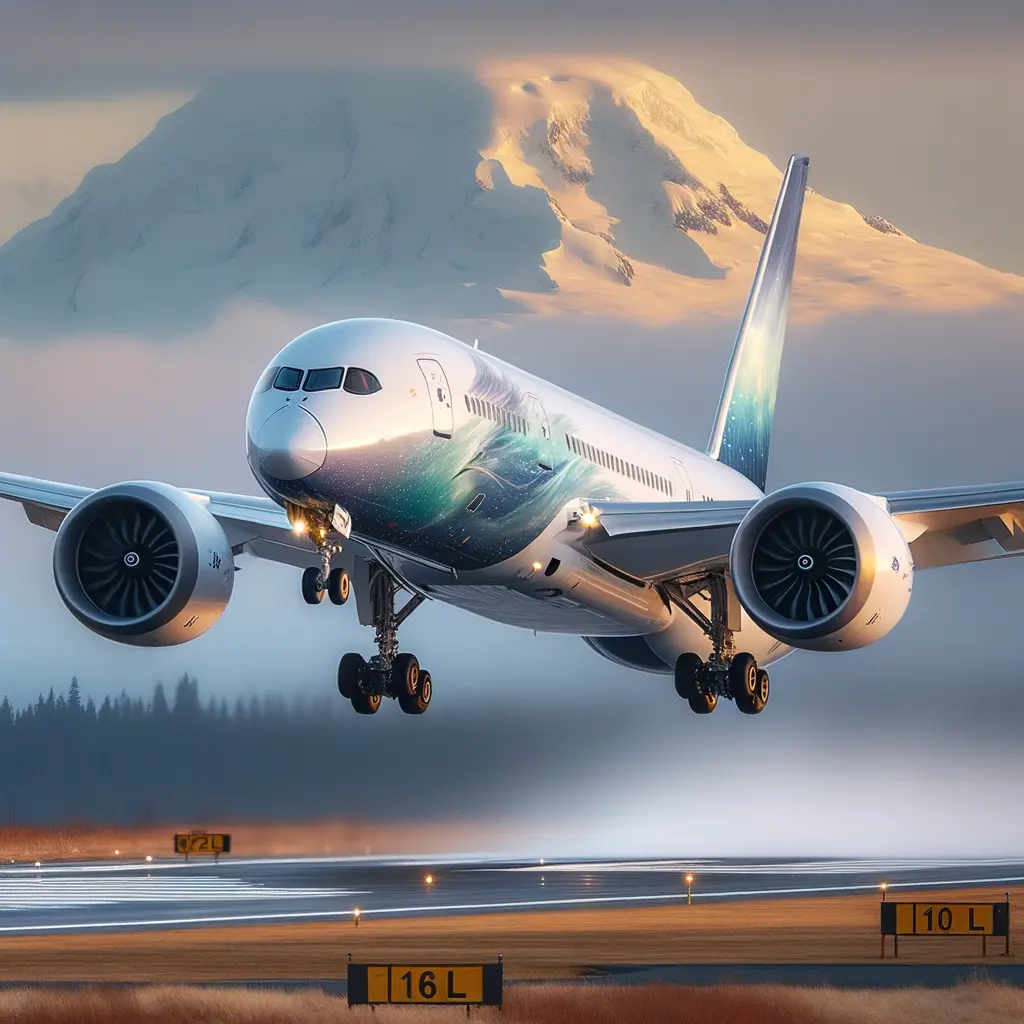
Wide-body strategy pivots on the Alaska Airlines 787-9 Seattle hub—perhaps the most ambitious element of the Alaska Air Group fleet 2026 initiative. Seventeen 787-9s will be based at SEA, replacing leased long-haul capacity and enabling nonstops to Tokyo, Seoul, and London while freeing Hawaiian’s A330-200s for expanded Honolulu-Los Angeles frequencies. The first five Dreamliners, originally ordered by Hawaiian, receive a new aurora-inspired livery but retain lie-flat Collins Super Diamond seats. Alaska plans a 28-Business, 24-Premium-Economy, 247-Main-Cabin layout, delivering a 10 percent CASM reduction versus the A330-200 on equivalent stage lengths. Meanwhile, the existing A330s undergo a cabin refresh—thinner Recaro CL3810 seats in economy, updated Panasonic X series IFE, and Ku-band Wi-Fi—extending their life well into the 2030s. The group confirms dual-branding will persist: Alaska’s “Chief” graces narrow-bodies, while Pualani remains on inter-island jets. Although some Hawaiian loyalists lament the shared identity, management forecasts a $75 million annual revenue uplift from joint loyalty program redemptions across the wide-body network. For deeper insight on passenger experience trends, read our analysis of next-gen long-haul cabins rolling out worldwide.
Feeder Strength: Expanding the Horizon Air E175 Regional Fleet
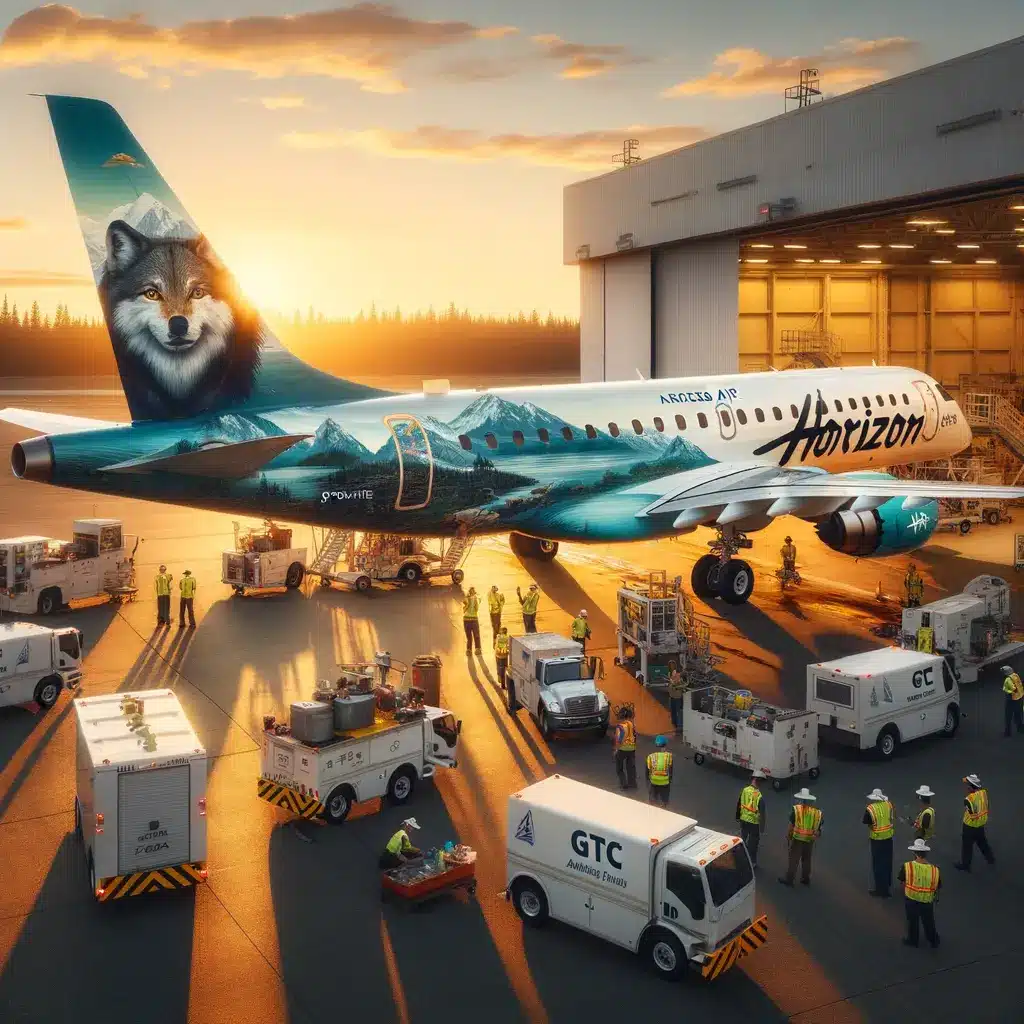
Beneath the mainline spotlight, the Horizon Air E175 regional fleet is the unsung hero linking small Pacific Northwest communities to the Alaska Air Group fleet 2026 network. Eighty-nine Embraer 175s—some operated by SkyWest under CPA—serve 55 cities from Boise to Bellingham. Plans call for up-gauge where runways allow: 12 new 76-seat E175-E1s arrive by early 2026 featuring the enhanced Classic Cabin Plus with mood lighting, USB-C power, and free messaging. Management prefers the E175 over the smaller Q400s (now fully retired) because it aligns with scope-clause weight limits yet offers first-class seating, a major loyalty driver. Horizon will move heavy checks to a newly expanded maintenance hangar in Spokane, creating 250 jobs and shortening turnaround times by 18 percent. The regional arm is also pivotal for Alaska’s carbon roadmap—using Neste SAF blends on 15 percent of departures by 2026, reducing lifecycle CO₂ by roughly 60,000 tons annually. Travelers can expect seamless connections: average minimum connect time at Seattle trims to 35 minutes, aided by co-located gates. Curious about regional fleet economics? See our study on why airlines favor 76-seaters in scope-clause environments.
Looking Ahead: What the Alaska Air Group Fleet 2026 Means for Travelers
Pulling the threads together, the Alaska Air Group fleet 2026 master plan centers on harmonizing operations while preserving the distinct charms of both Alaska and Hawaiian brands. For passengers, that translates into newer cabins, more nonstop choices, and tighter regional connections—not to mention reduced environmental footprint thanks to next-gen engines and sustainable fuel initiatives. Primary routes from Seattle to Tokyo, Honolulu to San Jose, and Anchorage to Chicago will all see capacity boosts, while small-city travelers benefit from additional E175 frequencies. The group projects a blended average fleet age of just 8.7 years by the close of 2026, down from 12.3 today—a swift modernization unmatched among U.S. carriers. Crucially, the Alaska Air Group fleet 2026 strategy doesn’t end in 2026; leadership hints at future hydrogen-powered regional aircraft evaluations and potential A321neo or MAX 7 orders depending on inter-island growth. Whatever decisions materialize, one certainty remains: the combined airline is positioning itself as the leading West Coast-Pacific connector. Want to dig deeper? Check our explainer on emerging sustainable aviation fuel pathways and our roundup of loyalty program partnerships shaping the next decade.