Meet the 2026 Toyota C-HR: Toyota’s Playful New Electric SUV
The 2026 Toyota C-HR is Toyota’s boldest step yet into the fiercely competitive small electric SUV segment. Reimagined from the ground up, the new generation abandons gasoline entirely in favor of an 74.7 kWh battery, standard dual-motor all-wheel drive and a healthy 338 hp. That means the 2026 Toyota C-HR is no longer the quirky but underpowered crossover of yesteryear; it is now a genuinely quick urban runabout that dashes to 60 mph in a claimed 4.9 seconds. With a targeted EPA range of 287 miles (273 miles on the sportier XSE), it sits squarely among mainstream rivals such as the Hyundai Ioniq 5, Tesla Model Y and Ford Mustang Mach-E.
From the outset, Toyota positions the C-HR as a well-equipped value play: heated front seats, a colossal 14-inch infotainment screen with wireless Apple CarPlay and Android Auto, Toyota Safety Sense 3.0, and even a smart-key power liftgate come standard on the base SE trim. A key advantage over several competitors is the built-in NACS port with a complimentary CCS adapter, opening the door to both Tesla Superchargers and legacy public networks.
Throughout this review we’ll explore performance, charging, cabin tech, practicality and how the 2026 Toyota C-HR stacks up on price. If you’re cross-shopping the bZ4X or researching the best small electric SUV for city life, read on—this playful Toyota may surprise you.
Performance & Handling: Dual-Motor Thrills in a Small Electric SUV
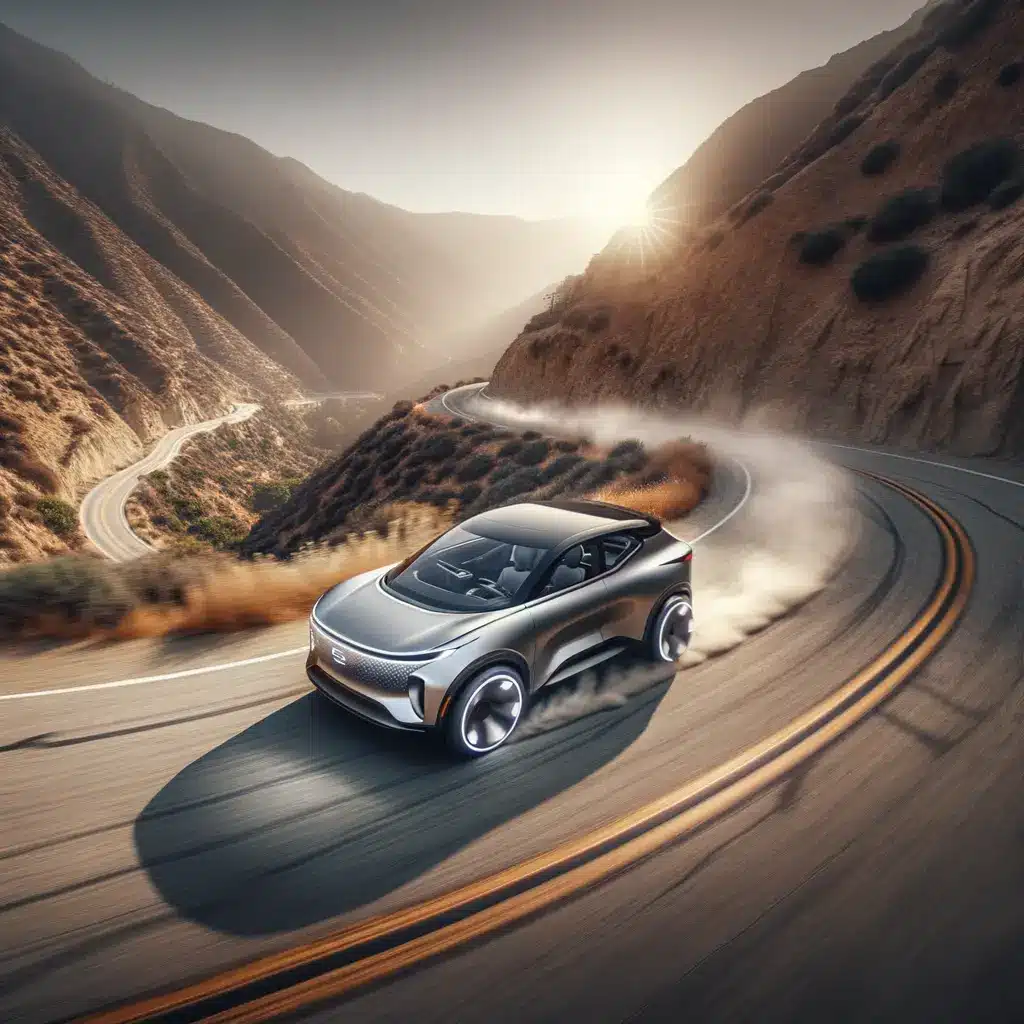
Slide behind the small, thick-rimmed steering wheel and the 2026 Toyota C-HR immediately feels more purposeful than its predecessor. The dual-motor setup delivers 338 horsepower and a stout 376 lb-ft of torque—numbers that eclipse several gasoline hot-hatch icons. In real-world driving the C-HR lunges forward with that trademark EV immediacy, pinning occupants into the seat from 20 mph all the way to freeway speeds. Toyota quotes 0–60 mph in 4.9 seconds; our seat-of-the-pants evaluation on a short straight suggests that figure is believable.
More impressive is the chassis tuning. A 14.2:1 steering ratio coupled with the compact steering wheel translates to minimal hand-over-hand movement in tight bends. The battery packs are mounted low in the e-TNGA platform, lowering the center of gravity and taming body roll. Push harder and stability electronics intervene smoothly, allowing enthusiastic cornering without unnerving stabs of brake pressure. Ride quality remains compliant over speed humps and broken pavement—a pleasant surprise given the optional 20-inch wheels on XSE models.
Those who feared that a Toyota electric SUV might be clinical or dull can relax: the 2026 Toyota C-HR likes to play. If you’re weighing it against a Mazda MX-30 or Volkswagen ID.4 and care about steering feel, put this newcomer on your short list. For deeper insights into Toyota’s evolving e-TNGA dynamics, check out our detailed bZ4X long-term update after you finish this review.
Cabin Tech & Comfort: Giant Screens, Smart Storage and Soft-Touch Surfaces
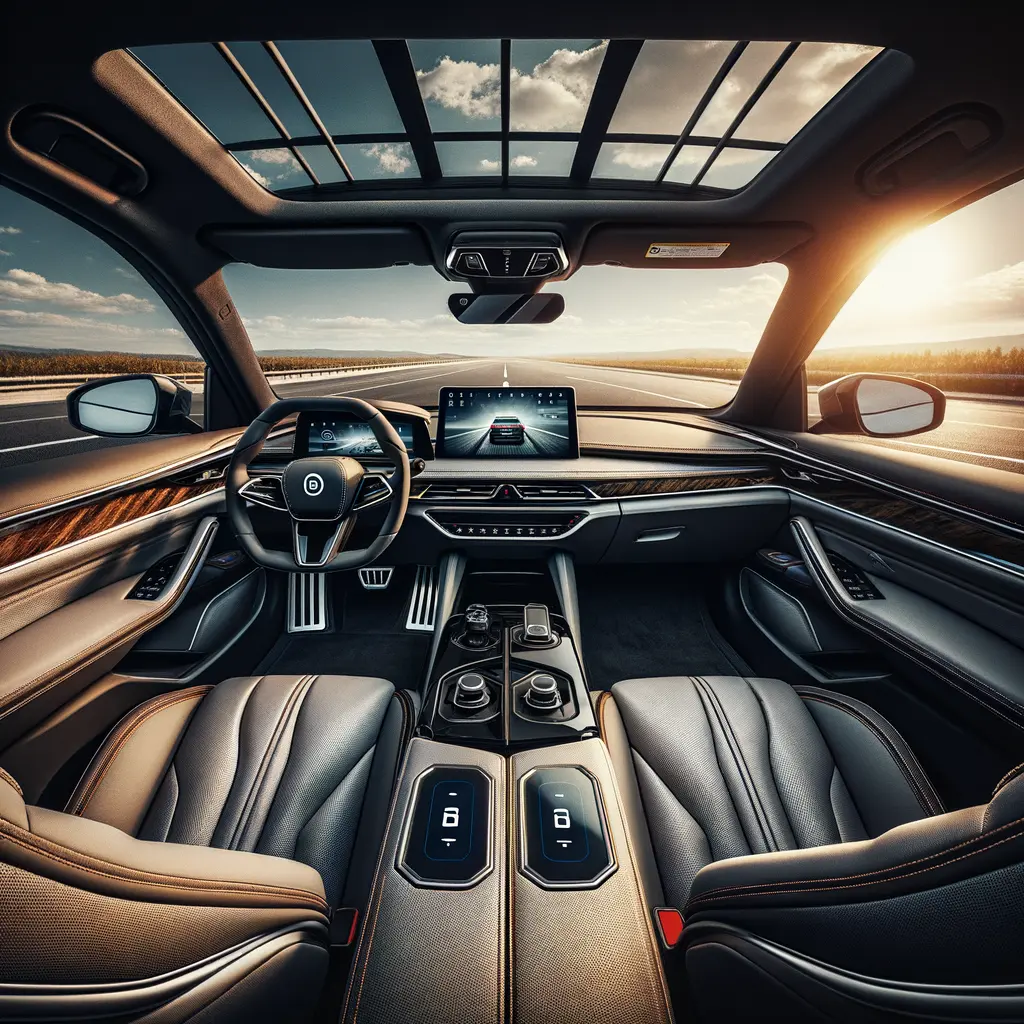
Open the frameless doors and you’re greeted by a cabin that blends minimalist design with genuine practicality. Dominating the dash is a 14-inch touchscreen running Toyota’s latest Multimedia UI. Sub-menus are shallow, climate shortcuts are permanently docked and, praise be, physical rotary knobs handle temperature and volume. A 7-inch digital cluster perches above the steering wheel, keeping key drive data in your line of sight without the bulk of a traditional hood.
Materials feel a notch above the outgoing model: padded dash tops, contrasting stitching and piano-black accent strips lend a premium vibe. Dual wireless phone chargers hide beneath a clever double-hinge center console lid—flip it toward either front seat for easy access. The lack of a glove box is odd, but door bins swallow 32-oz water bottles, and rear passengers score two USB-C ports plus dedicated air vents.
Space is ample for a small electric SUV. At 5’10” I have generous knee room behind my own driving position and just brush the headliner only when reclining the split-fold rear seat. Cargo volume measures 25.3 cu-ft behind the second row; drop the 60/40 seatbacks and the flat floor accommodates bulky IKEA flat-packs with ease. If you’re curious how this compares to the RAV4 Hybrid’s cargo layout, see our interior dimensions guide linked in the sidebar.
(YouTube video embed goes here to showcase our real-time walk-around and driving impressions.)
Battery, Range & Charging: 287 Miles and NACS Flexibility
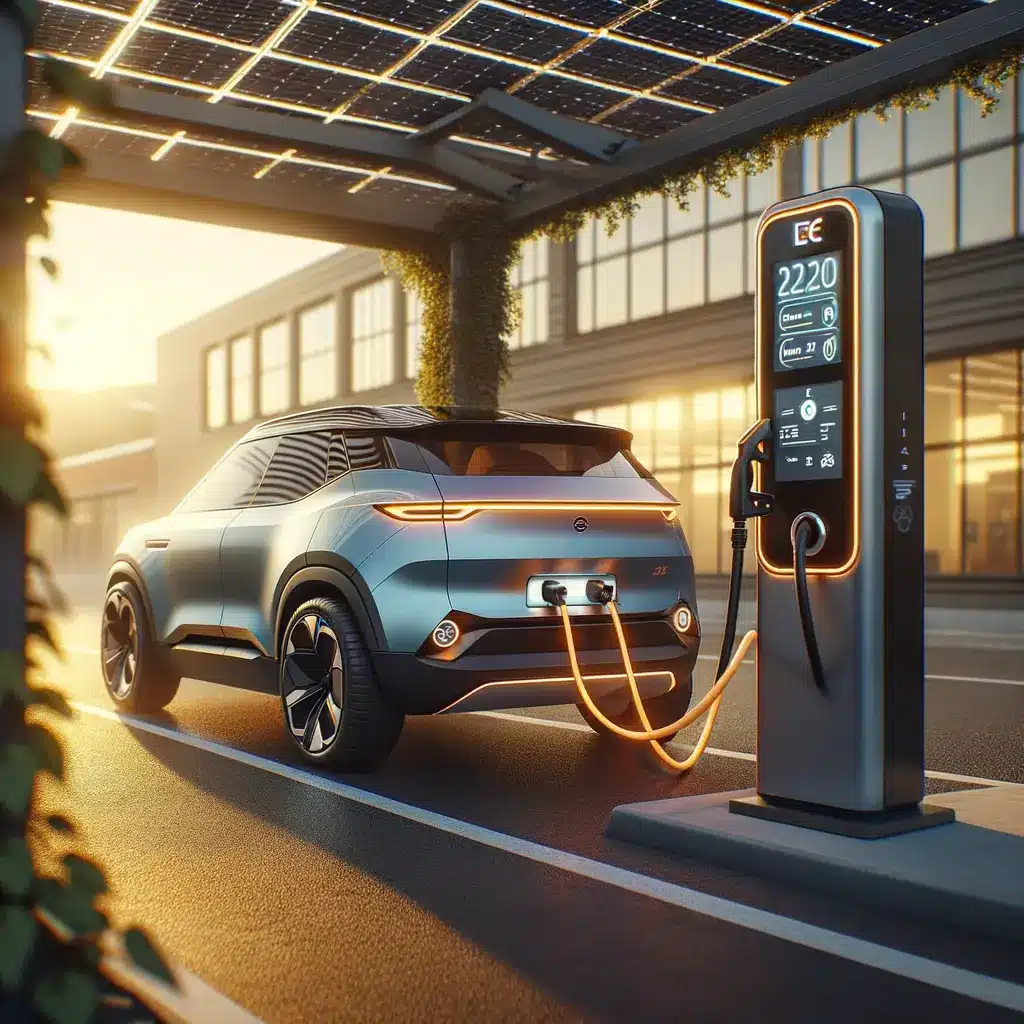
Range anxiety is less of a concern with the 2026 Toyota C-HR. The standard 74.7 kWh lithium-ion pack targets 287 miles in SE trim and 273 miles in the feature-rich XSE. While that figure doesn’t topple the Tesla Model Y Long Range, it handily beats the Mazda MX-30’s paltry 100 miles and is competitive with the Hyundai Ioniq 5’s mid-tier battery. Crucially, Toyota adopted the North American Charging Standard (NACS) port while including a CCS1 adapter in the glove-box-substitute storage tray. That means owners can juice up at Tesla Superchargers or any legacy CCS fast-charger without juggling subscriptions.
Hooked to a 150 kW DC fast charger, Toyota estimates a 10-to-80 percent session in roughly 30 minutes—fast enough for a coffee run and restroom break on a longer road trip. Battery pre-conditioning is standard: punch a charging location into the native nav and the C-HR automatically warms or cools the pack for optimum speeds. Plug-and-Charge capability further streamlines the experience by handling payment authorizations automatically.
At home, the on-board 11 kW AC charger replenishes the pack from empty to full in about 7 hours on a 48-amp Level 2 wall box. Toyota backs the high-voltage battery with an 8-year/100,000-mile warranty, aligning with industry norms. If you’re upgrading from a Prius Prime or researching home EVSE options, refer to our complete Level 2 charger buyer’s guide for brand and amperage recommendations.
Practicality, Styling & Price: Where the 2026 Toyota C-HR Fits In
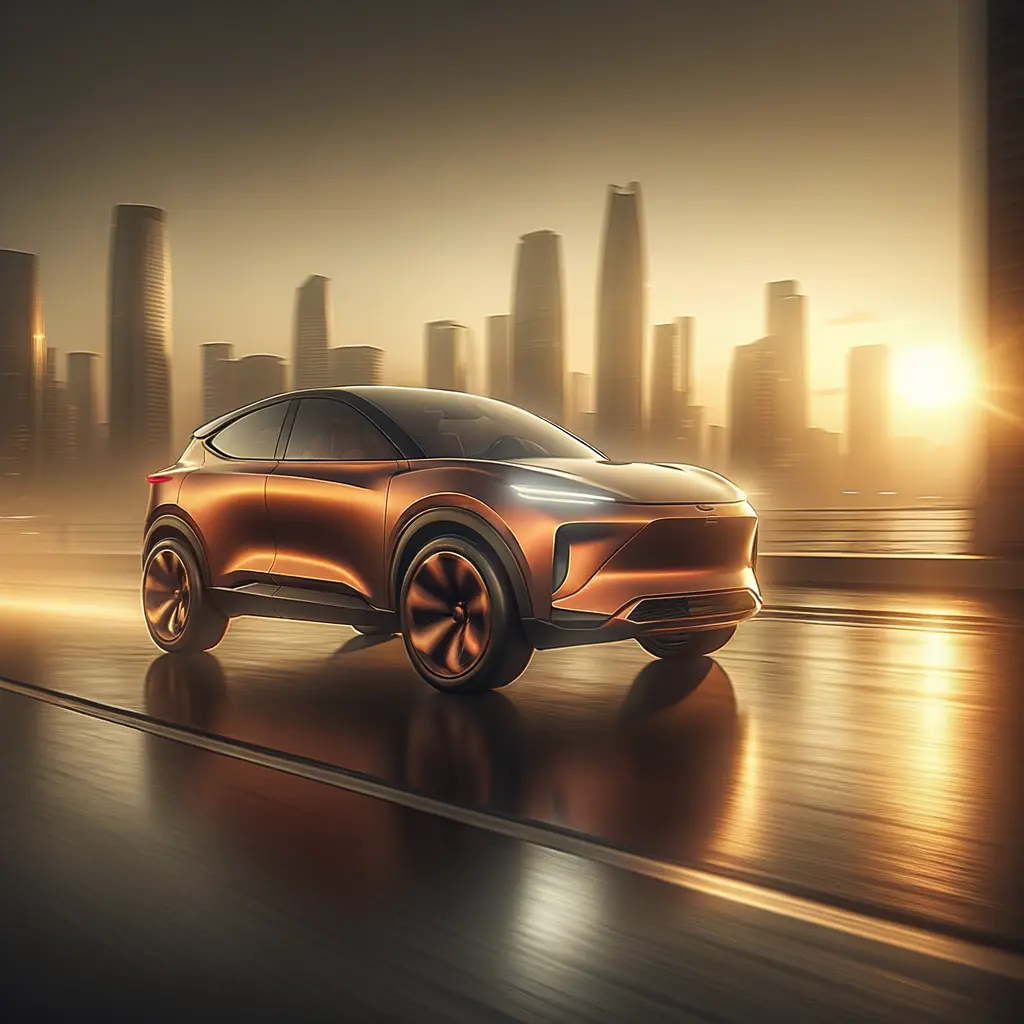
The 2026 Toyota C-HR may share its name with last decade’s quirky subcompact, but practically everything else is new. The body adopts Toyota’s Hammerhead front fascia, sleek LED signatures and an available black two-tone roof (XSE only). Hidden rear door handles keep the profile clean, while roof rails are standard for weekend bike racks. Tanduri—an eye-catching metallic orange—joins Wind Chill Pearl and three subdued grays in the paint palette.
Toyota C-HR price positioning is straightforward: the SE starts near $39,000 before incentives, and the XSE nudges just past $43,000 with 20-inch wheels, 360-degree cameras and a power passenger seat. That undercuts a similarly equipped Ford Mustang Mach-E by a few grand and is thousands less than a dual-motor Model Y, yet offers more performance than the Chevy Equinox EV. Factor in likely Toyota reliability and resale values, and the equation becomes compelling.
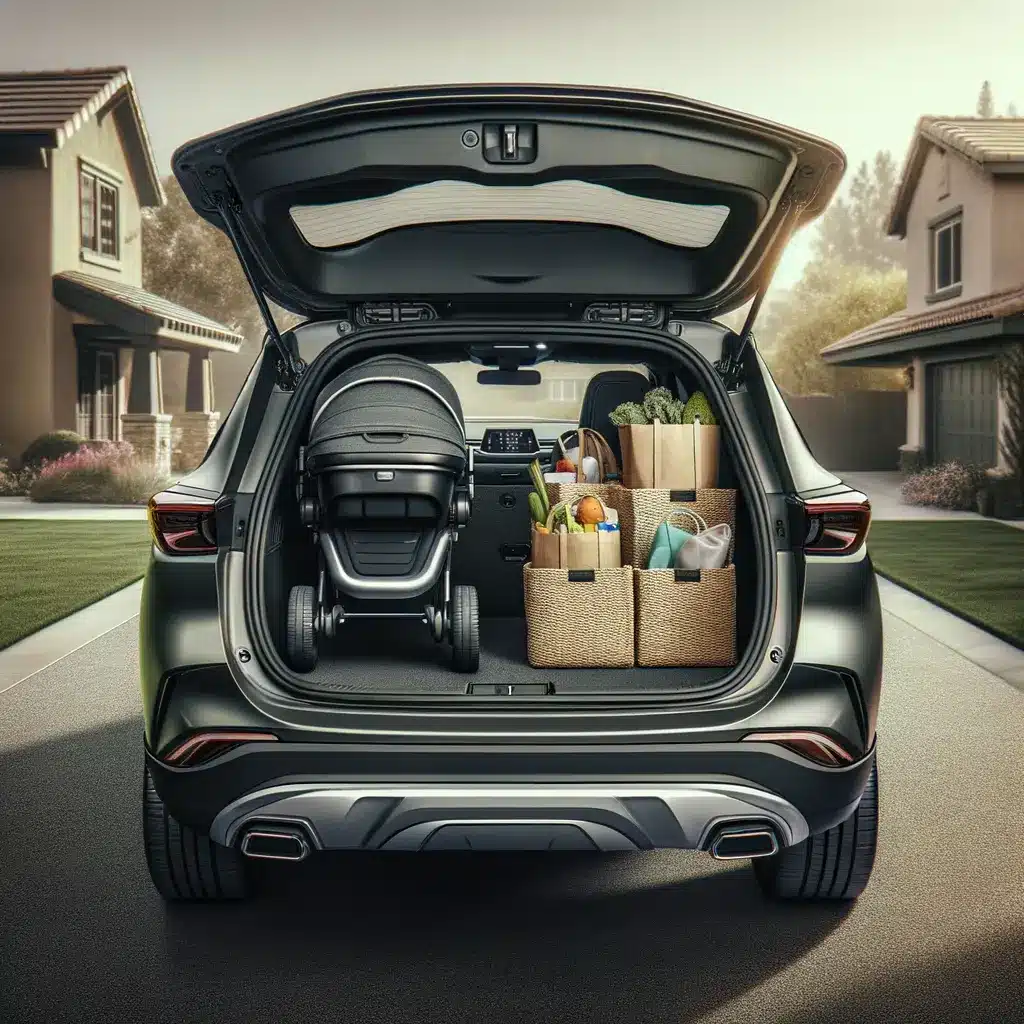
Practical touches include 25.3 cu-ft of cargo space, an adjustable split load floor to corral grocery bags and a small under-floor compartment for the portable charge cable. Unfortunately, there’s no frunk—space ahead of the firewall accommodates power electronics instead. Armrests could use more padding, but seat ergonomics are classic Toyota: firm cushions, good lumbar contouring and zero pressure points after an hour’s drive. Shoppers comparing the C-HR to a RAV4 Prime or Subaru Solterra will appreciate this blend of style and usability. Don’t forget to read our Toyota RAV4 Prime towing guide if cargo volume alone isn’t enough for your lifestyle.
Verdict: Why the 2026 Toyota C-HR Deserves a Spot on Your EV Short List
After a full day of driving, charging and poking around the cabin, the verdict is clear: the 2026 Toyota C-HR is no token compliance car. It is a genuinely enjoyable Toyota electric SUV that blends spirited acceleration, balanced handling and everyday usability into a stylish package. The primary keyword—2026 Toyota C-HR—kept cropping up in enthusiast forums for good reason; buyers finally have a Toyota EV that feels fun, not just functional.
Strengths include a robust 338 hp dual-motor drivetrain, 30-minute DC fast-charge sessions and thoughtful standard features like dual wireless chargers and Toyota Safety Sense 3.0. Weaknesses? A missing glove box, firm armrests and the absence of a frunk. Yet none are deal-breakers in daily life. Priced competitively and backed by Toyota’s dealer network, the C-HR should appeal to city dwellers upgrading from a Corolla Hybrid as well as empty-nesters trading a Camry for an EV.
If you’re cross-shopping small electric SUV options, schedule back-to-back test drives with the Hyundai Ioniq 5 and Tesla Model Y to feel the nuanced ride differences. Still, the 2026 Toyota C-HR stands out for its eager personality and handsome interior. Expect it to climb our Best Electric SUVs list quickly once full EPA figures are certified. For ongoing ownership impressions—including winter range tests—bookmark our Toyota electric SUV hub and subscribe to our newsletter so you never miss an update.