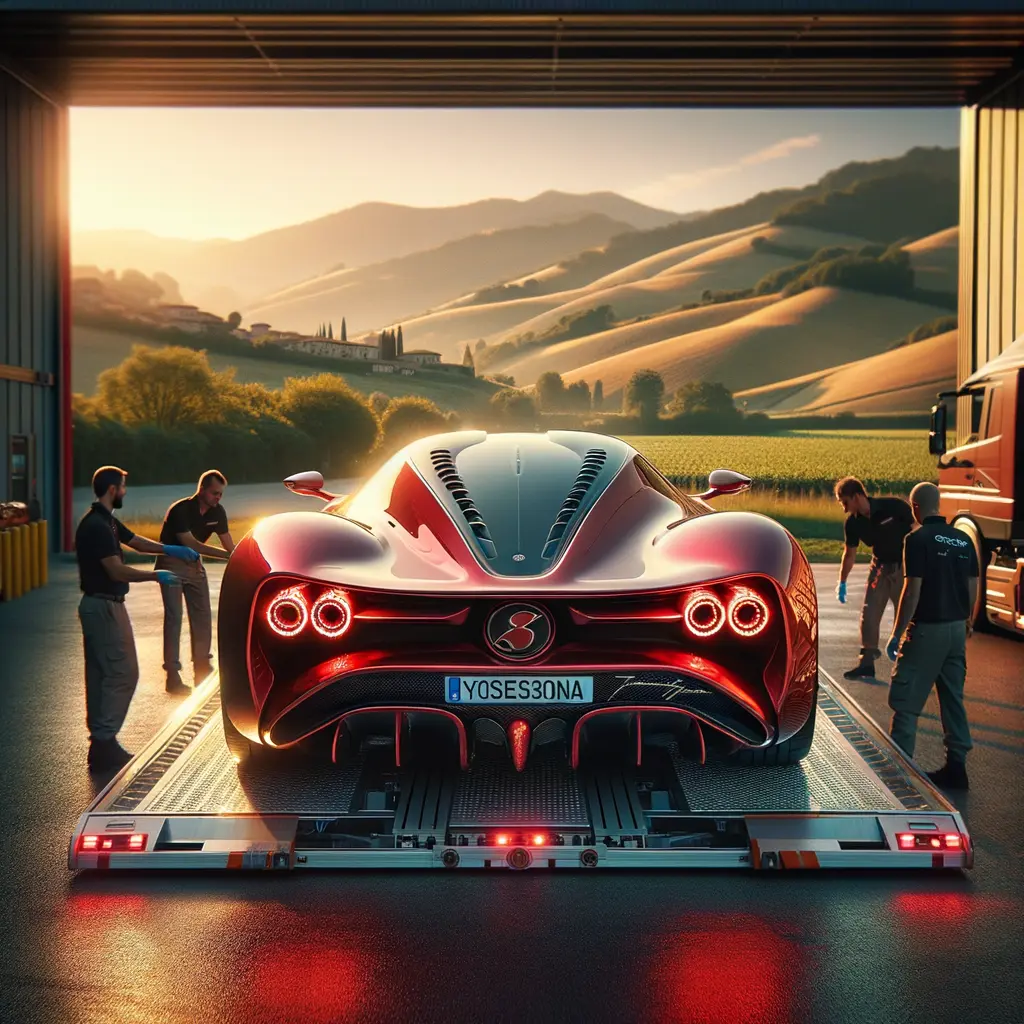
Introducing the 2026 Ferrari Luce: Ferrari’s First All-Electric Grand Tourer
Ferrari has never been afraid to chase the horizon, and the 2026 Ferrari Luce proves it yet again. Announced as Maranello’s first fully electric grand tourer, the Ferrari Luce ushers the brand into a new era while honoring the passionate legacy of Enzo Ferrari. The name “Luce,” Italian for “light,” hints at both the car’s forward-looking electric powertrain and the weight-saving philosophy baked into every millimeter of its aluminum-rich architecture. More importantly, the Ferrari Luce represents a technological pivot that will sit alongside the marque’s revered V8 and V12 bloodline.
Ferrari’s design chief describes the Luce as “a beacon showing the way forward,” and a quick glance at its sleek silhouette confirms the claim. A low nose, fluid shoulder line and an almost fastback rear end set it apart from the Roma while still feeling unmistakably Ferrari. Beneath the sculpted bodywork lies an 800-volt electrical system designed to deliver the instantaneous torque that enthusiasts demand. Ferrari Luce will not merely be a compliant zero-emission cruiser; it aims to match, if not exceed, the visceral thrills provided by the 812 Superfast.
For longtime fans worried that an electric Ferrari may dilute the marque’s soul, the development team insists that the Ferrari Luce’s soundtrack, dynamic feel and cockpit engagement are top priorities. Think of this model as an electrified reinterpretation of the classic grand tourer formula—one that pairs super-GT comfort with spine-tingling performance. Future posts will compare it with the SF90 Stradale’s hybrid layout, so stay tuned.
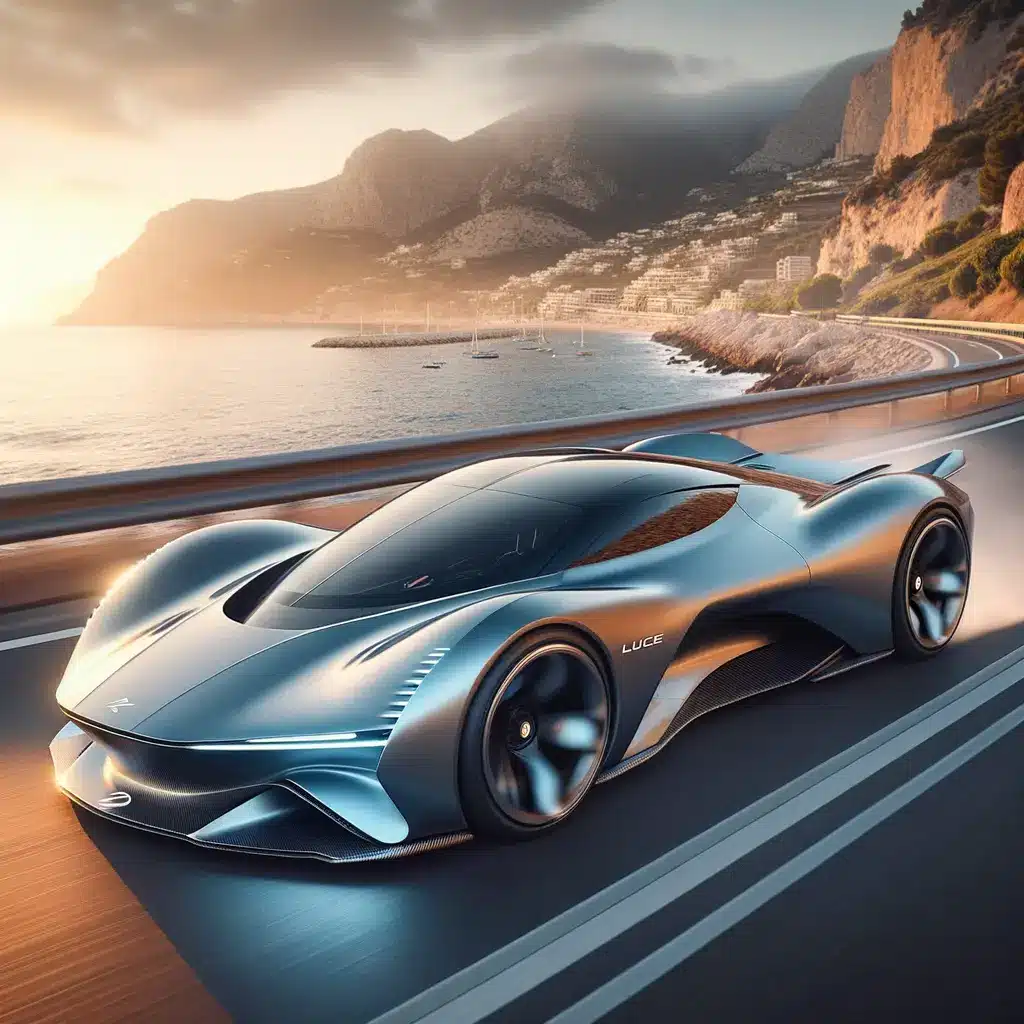
Design Philosophy & Exterior Highlights of the Ferrari Luce
The exterior of the Ferrari Luce strikes a difficult balance: respecting the design heritage of classics like the 250 GT Lusso while charting a fresh course into Ferrari’s electric future. Chief designer Flavio Manzoni notes that efficiency and beauty had to coexist from day one, leading to a drag coefficient nearly 20 percent lower than the 812 while preserving the aggressive stance enthusiasts expect. Aerodynamic active vanes replace traditional intakes, channeling air over the battery pack for cooling and reducing turbulence around the rear diffuser.
Up front, a slim LED light bar spans the nose, paying tribute to Ferrari’s early Formula 1 cars that used transversal air intakes. The center houses a small prancing-horse emblem that glows softly at night, reinforcing the Luce’s “light” ethos. Flush door handles and retractable mirrors work with a fully enclosed underbody to maximize range—a figure engineers target at roughly 400 miles on the WLTP cycle.
Wheel choices start at 21 inches and grow to 22, wrapped in Michelin Pilot Sport EV tires co-developed for the Luce’s unique torque curve. Around back, quad laser-etched taillights sit under an active rear spoiler that deploys at speed for extra downforce. Color options will launch with a signature “Rosso Elettrico” paint that uses nano-pigments to shimmer under sunlight. If you want a deeper dive into Ferrari’s paint technologies, check our article on how the Purosangue’s two-stage primer improves chip resistance.
Above all, the Ferrari Luce exterior radiates confidence: it’s unmistakably a super-GT yet refreshingly forward-looking—an instant modern icon.
Inside the Cabin: Ferrari Luce Interior, Technology & Materials
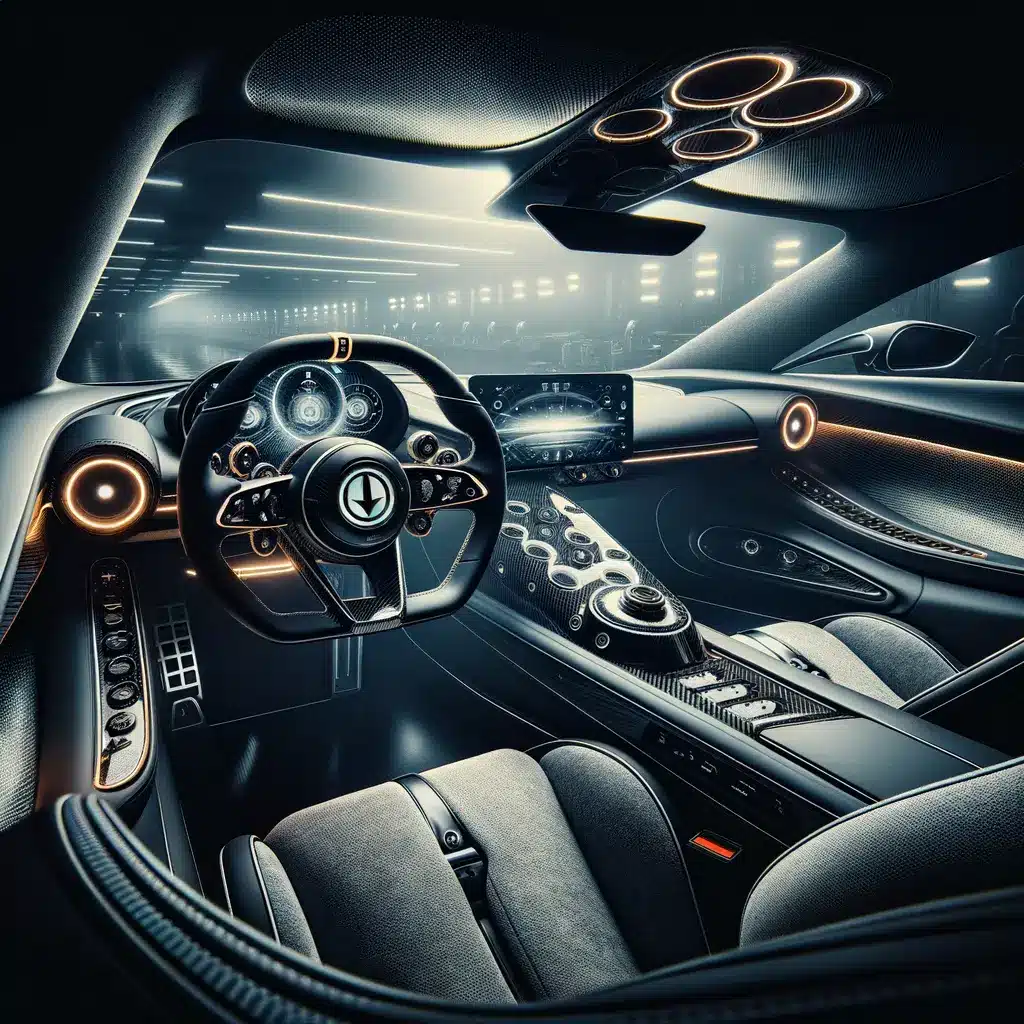
Slide into the Ferrari Luce interior and you immediately grasp how seriously Maranello approached the cabin experience. The dashboard floats in a minimalist arc, punctuated by a 16-inch curved OLED driver display and an 8-inch passenger screen, both powered by Ferrari’s new Infotainment OS developed with Qualcomm’s Snapdragon Automotive platform. The central tunnel is a sculpted carbon-fiber bridge, referencing the open-gate manuals of the past while integrating a haptic glass panel for drive-mode selection.
Sustainability meets luxury here: seats are upholstered in Ferrari’s proprietary Alcantara-E, a microfiber derived from 68% recycled polyester that still meets the brand’s stringent abrasion tests. Real anodized aluminum switchgear feels cool to the touch, and the roof’s electro-chromic glass can shift from transparent to opaque in milliseconds—reducing cabin heat and enhancing range. Ambient lighting bathed in warm “Luce Gold” tones highlights key design lines after dark.
Audiophiles will appreciate a bespoke 18-speaker Bang & Olufsen system fine-tuned to the EV’s near-silent cruising characteristics. Yet Ferrari hasn’t abandoned emotion: hidden speakers can pipe a curated powertrain soundtrack based on motor rpm and load, reminding drivers they’re in something special. Multiple drive modes—Modo Silenzio, Sport and Corsa—alter throttle mapping, suspension stiffness and the synthetic sound profile.
Practicality, once an afterthought in Maranello, wins attention too. The Luce offers 12.5 cu-ft of rear boot space and a 2.6 cu-ft front trunk, enough for weekend luggage. If you’re cross-shopping electric GTs, have a look at our comparison of Porsche Taycan Turismo luggage capacity for perspective.
Overall, the Ferrari Luce interior merges artisan craftsmanship with cutting-edge tech, delivering an immersive cockpit that stays true to the Ferrari ethos while embracing the future.
Powertrain & Performance: What to Expect from Ferrari’s Electric Future
Underneath its elegant skin, the Ferrari Luce hides a tri-motor AWD setup producing an estimated 1,000 horsepower and 830 lb-ft of torque—a figure benchmarking the SF90 Stradale while delivering zero tailpipe emissions. Two motors on the rear axle operate through a torque-vectoring differential, while a single front motor handles precise turn-in and regenerative braking up to 0.5 g. An 800-volt, 100-kWh solid-state battery pack resides low in the chassis, contributing to a sub-3.5-inch center of gravity drop relative to the 812.
Ferrari claims a 0–62 mph time of 2.4 seconds and a top speed north of 205 mph, making the Luce one of the quickest electric grand tourers on sale. Crucially, engineers engineered the chassis to maintain “Ferrari feel,” tweaking magnetorheological dampers and rear-wheel steering to mimic the playful rotation owners love on mountain roads.
Charging will exploit 350-kW DC fast stations, replenishing 80 percent of capacity in roughly 18 minutes. A new thermal management system employs a dual-loop circuit with refrigerant jet impingement cooling—tech borrowed from Formula 1’s ERS batteries—to keep cells within optimal temperature during track sessions.
Weight? Expect roughly 4,100 lb, thanks to extensive use of carbon-fiber-reinforced aluminum spaceframe members. That keeps the power-to-weight ratio on par with the F8 Tributo. If you want to explore Ferrari’s lightweighting tricks, revisit our post on the LaFerrari Aperta’s composite tub.
In summary, the Ferrari Luce powertrain is more than an eco-compliance solution; it’s a statement that the brand can translate decades of combustion-era know-how into an electrified platform without sacrificing excitement.
Engineering Challenges & Innovations Behind the Luce
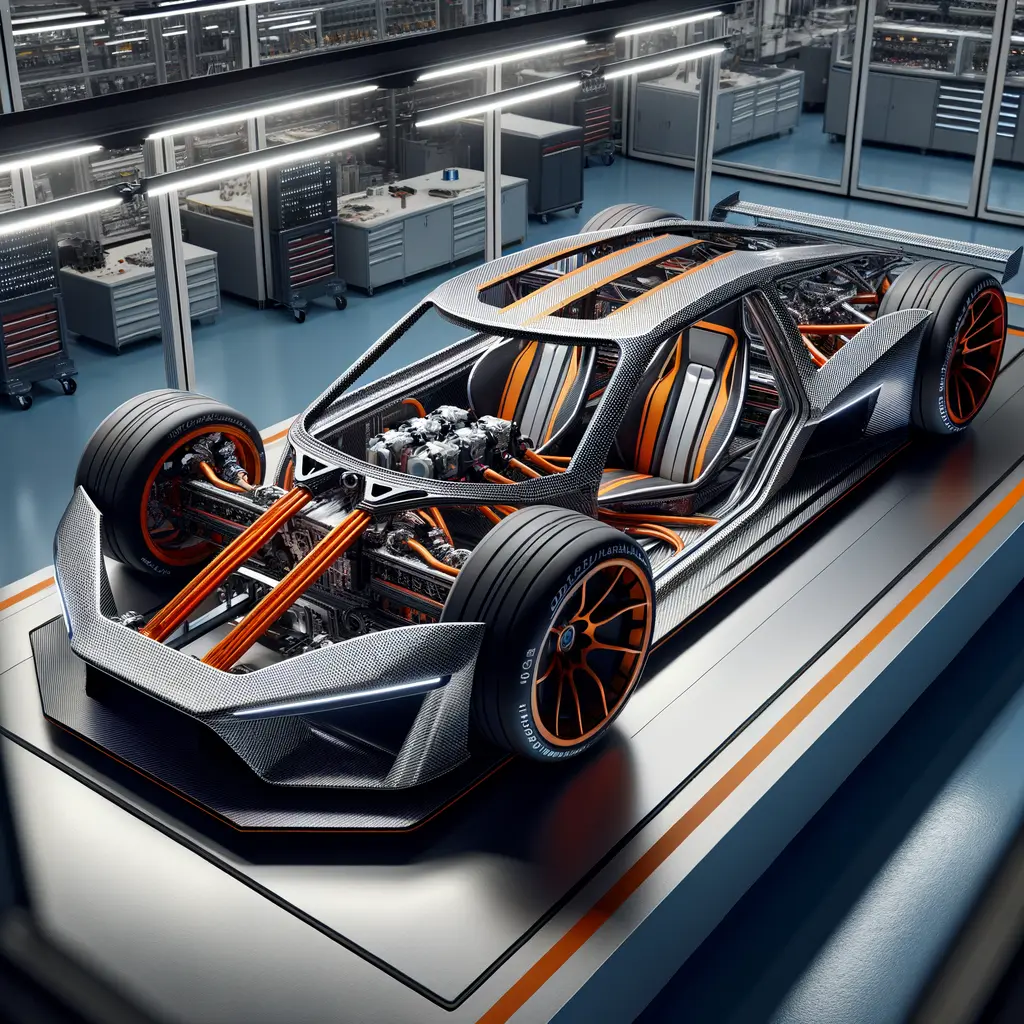
Building the first fully electric Ferrari was never going to be simple. Chief Technology Officer Ernesto Lasalandra admits the team spent nearly five years refining everything from battery chemistry to software algorithms before green-lighting the final design. One major hurdle was thermal fade: repeated acceleration runs heated early prototypes beyond safe operating temps. Engineers responded with a patent-pending graphite-infused coolant that circulates through micro-channels directly etched into battery plates—cutting peak cell temperature by 12°C.
Noise, Vibration and Harshness (NVH) posed another conundrum. Electric drivetrains are eerily silent compared with a roaring V12, making wind noise and tyre roar suddenly obvious. Ferrari’s solution involves acoustic glass, foam-filled subframe mounts and active cancelation speakers. According to internal data, cabin noise at 75 mph measures just 64 dB—quieter than a Bentley Continental GT.
Software integration also demanded fresh expertise. Over-the-air updates will deliver new driving modes, charging strategies and even performance boosts, echoing practices from Tesla yet fine-tuned for Ferrari’s clientele. Cybersecurity experts from the Italian National Research Council helped harden the ECU against potential intrusions.
Finally, the Luce’s regenerative braking underwent extensive calibration to provide a natural pedal feel. A blended system layers up to 300 kW of regen with carbon-ceramic friction brakes, allowing one-pedal driving in urban settings while guaranteeing fade-free performance on track days.
These behind-the-scenes breakthroughs illustrate why the Ferrari Luce is more than just another electric car; it’s a masterclass in engineering that could inform future models like the rumored electric Dino.

Release Timeline, Pricing & What the Ferrari Luce Means for Enthusiasts
Ferrari has penciled in late-2025 for the Luce production unveil, with first customer deliveries scheduled for spring 2026. Initial allocation will prioritize long-standing clients and Ferrari Classiche members, mirroring the approach used for the Monza SP1. Industry insiders suggest a base price around €420,000 (about $455,000), positioning the Ferrari Luce above the Roma Spider yet below the limited-run Daytona SP3. Expect an even higher figure once personalization through Tailor Made kicks in.
Beyond pricing, the Ferrari Luce signals a philosophical shift. The brand insists internal-combustion icons will coexist with EVs well into the 2030s, but developing proficiency in electric architectures now safeguards its competitive edge. For enthusiasts, that means broader drivetrain choice without sacrificing the magic phrase: driving emotion. Owners can alternate between the visceral howl of an 812 Competizione and the instantaneous torque of the Ferrari Luce depending on mood.
Looking ahead, analysts predict Ferrari will adapt the Luce platform for a 2+2 shooting brake and possibly a mid-engined electric supercar. Curious how these strategies compare with Lamborghini’s Lanzador roadmap? Check our analysis on Sant’Agata’s electrification journey.
In closing, the Ferrari Luce embodies the marque’s ability to honor heritage while embracing innovation. If you feared electrification might dim the prancing horse’s shine, think again. The Ferrari Luce promises to illuminate the next chapter—and we can’t wait to experience it from behind the wheel.