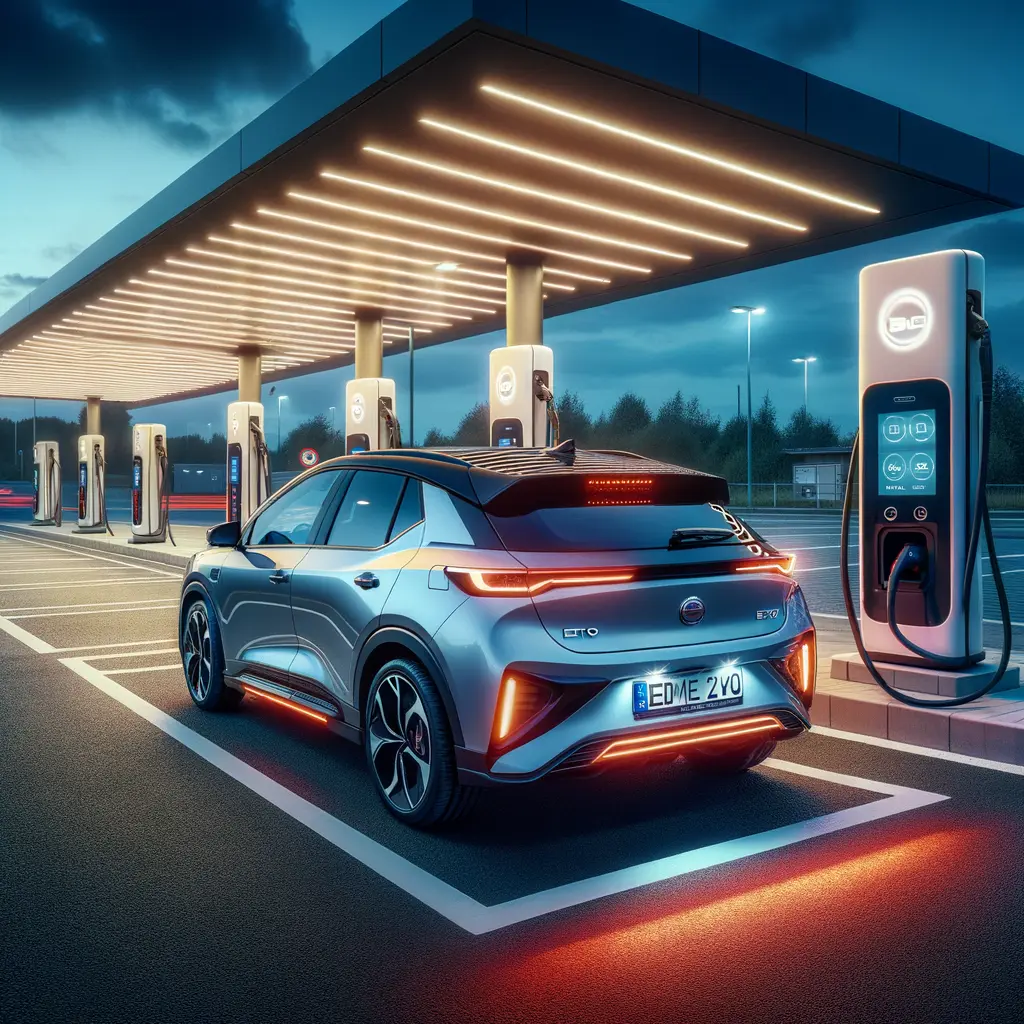
Introducing the 2026 BYD Atto 3 Evo: What’s Really New?
The 2026 BYD Atto 3 Evo arrives with a bold promise: deliver more than the minor touch-ups many brands pass off as a mid-cycle refresh. On paper BYD calls it an evolution, but the big question for British buyers is whether this BYD Atto 3 Evo is a meaningful upgrade or just an Atto 3 facelift with a new badge. First impressions matter, and the Evo still looks instantly familiar. Yet beneath the surface are changes aimed at keeping the Chinese-built BYD electric SUV competitive against the Kia Niro EV, Hyundai Kona Electric and Volkswagen ID.4. We travelled to Madrid for an early drive to assess range, charging, cabin tech and – crucially – value, because BYD Atto 3 price UK figures now start around £38,000. Throughout this BYD Atto 3 review we’ll break down the updated battery, chassis and software stack, highlight day-to-day practicality, and let you know if the revised dynamics justify the Evo suffix. By the end you’ll have the insight you need to decide whether to shop used Atto 3s, wait for dealer discounts, or pull the trigger on this brand-new model.
Exterior Tweaks and Interior Upgrades: Subtle But Effective
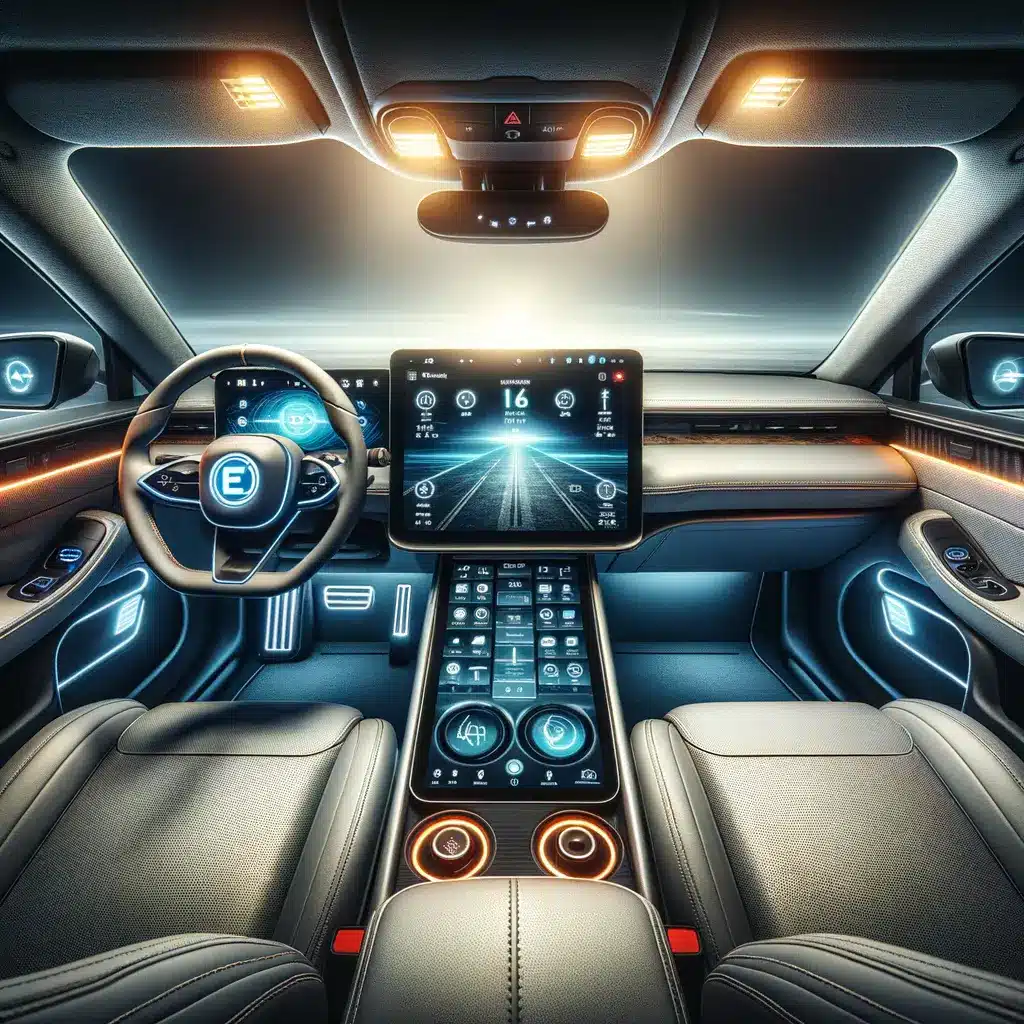
Look quickly and you might dismiss the Evo as a mild Atto 3 facelift. The dimensions are unchanged, yet the re-sculpted front bumper, smoked rear spoiler and smoother under-tray reduce drag while refreshing the visual signature. More notable is BYD’s clever use of packaging: boot capacity swells by 50 litres to 490 litres (1,360 litres seats-down) and there’s now a useful 101-litre frunk – perfect for muddy charging cables or a cabin bag. Inside, the Evo feels markedly more premium. The rotatable 15.6-inch infotainment screen gains full Google Automotive Services, meaning Google Maps, Assistant and Play Store live natively. Voice control finally rivals mainstream rivals for accuracy, a point we verified in three languages on our test route. A new eight-inch digital cluster, cooled 50-watt wireless phone charger and relocated gear selector declutter the dash, while non-integrated headrests bring extra comfort on long journeys. Buyers opting for the Excellence trim also secure a panoramic glass roof and newly available rear heated seats, adding appeal for family use. Material quality – a longstanding BYD strength – remains high, blending soft-touch vegan leather with playful surf-blue accents that differentiate the BYD electric SUV from more conservative European alternatives. Overall the cabin tweaks feel thoughtfully targeted and lift day-to-day usability without driving the price sky-high.

Bigger Blade Battery, 800-V Architecture and Faster Charging
Under the floor sits BYD’s latest 74.8-kWh Blade battery – still lithium-iron-phosphate for longevity, but with greater energy density than the outgoing 60-kWh pack. That alone pushes official WLTP range for the rear-drive BYD Atto 3 Evo to 317 miles, a 50-mile improvement and comfortably ahead of many rivals in this price bracket. Dual-motor all-wheel-drive drops to 292 miles, yet gains serious punch that we’ll cover shortly. Equally important for UK motorway users is the new 800-volt electrical system enabling 220-kW DC rapid charging. Find an ultra-rapid charger on the M6 and you can blitz 10–80% in roughly 25 minutes – half the time of the previous car and on a par with the Genesis GV60. For home charging, BYD supplies an 11-kW three-phase onboard charger, meaning a full top-up in just over seven hours with the right wall-box. Bidirectional Vehicle-to-Load (V2L) remains, letting you power camping gear or laptops at up to 3.3-kW through the external adaptor. BYD’s thermal management also evolves; liquid cooling and a heat pump are now standard, protecting range during frosty UK winters. In short, the battery and charging upgrades feel genuinely evolutionary and ensure the BYD Atto 3 Evo stays future-proof for longer ownership cycles. (Scroll down to watch our full YouTube drive after this section.)
Performance and Ride: Faster Acceleration, Softer Suspension
Numbers first. Rear-drive cars now deliver 308 bhp and 0–62 mph in 5.5 seconds – more hot-hatch than family crossover and a sizeable leap from the old 201 bhp figure. Step up to the Excellence AWD and power skyrockets to 443 bhp for a super-car-baiting 3.9 seconds sprint. While fun, our BYD Atto 3 review found the AWD’s brute force can feel incongruous in a tall-riding SUV; most UK buyers will be satisfied with the rear-drive setup’s ample shove. BYD fits revised passive dampers and softer spring rates, aimed at ironing out urban potholes. Around Madrid’s cobbles the Evo floated serenely, yet on twisty B-roads we detected noticeable body roll that could trigger travel sickness for sensitive passengers. Selecting Sport steering mode helps, but lateral movements remain more pronounced than in a Kia EV6 or Tesla Model Y. Regenerative braking offers Standard and High levels; neither achieves full one-pedal stopping, yet High recoups energy effectively and feels natural after a short acclimatisation. Tyre roar is low, though wind noise above 70 mph is average for the class. ADAS aids such as lane-centering, adaptive cruise and a proactive driver-attention camera are standard. Thankfully every warning can be hidden deep in the menu if you, like us, tire of incessant chimes. Overall the Evo blends punchy acceleration with comfort-oriented damping; driving enthusiasts should test-drive before committing.

Infotainment, Safety Tech and Everyday Practicality
Technology has always been a BYD strong suit and the 2026 BYD Atto 3 Evo doubles down. The rotary 15.6-inch display now runs BYD OS 2.0 atop Google Automotive, bringing over-the-air updates for maps and apps. A redesigned widget system lets owners pin climate, Spotify or the popular Stingray karaoke app anywhere on screen – handy when you want passengers singing rather than scrolling. Physical usability improves too; the drive selector moves to the steering column freeing storage for two deep cup-holders and a rubber-lined cubby. The cooled 50-watt wireless charger tops an iPhone 15 Pro from 10-80% in about 50 minutes without thermal throttling. Safety kit is exhaustive: AEB with cyclist and junction detection, blind-spot monitoring, rear cross-traffic brake and a 360-degree camera with transparent hood view for tight multi-storey ramps. BYD says Euro NCAP five-star testing is underway, building on the outgoing car’s strong showing. Practical touches continue in the rear cabin. ISOFIX points sit on the outer seats, there’s a completely flat floor and the door bins now swallow 1-litre water bottles. Taller adults enjoy ample knee-room thanks to clever packaging, though Design trim omits the panoramic roof found on the Excellence. Need more buying advice? Check our guide to choosing the best home EV charger and our head-to-head of family-sized BYD electric SUV rivals for deeper context.

Verdict: Is the BYD Atto 3 Evo Worth Your Money?
So, upgrade or mere Atto 3 facelift? After 300 miles behind the wheel we’re convinced the 2026 BYD Atto 3 Evo earns its new badge. The battery, range and 220-kW charging make everyday UK use easier, while cabin tech now rivals premium German brands. Yes, the softer suspension introduces extra roll and the driver-monitoring camera may nag until you delve into the settings, but these are quirks rather than deal-breakers. Crucially, BYD Atto 3 price UK figures remain competitive: £38,000 for Design trim under-cuts a Tesla Model Y RWD by more than five grand while offering superior standard kit. The £43,000 Excellence AWD is costly, but its blistering pace and panoramic roof could tempt gadget lovers who missed out on a BYD Seal allocation. If you prioritise long-range touring, Google-native infotainment and generous space, the BYD Atto 3 Evo should be on your shortlist alongside the Volkswagen ID.4 and Nissan Ariya. For buyers needing firmer handling, keep an eye on our forthcoming review of the MG4 XPower SUV. Overall, the BYD Atto 3 Evo is more than a cosmetic refresh; it is a holistic evolution that cements BYD’s growing reputation in the UK electric-SUV arena.